
Start With the Full Picture
A franchise can give you a recognized name, an established business system, training, and support. Those advantages do not guarantee success, though. The Federal Trade Commission’s guide to buying a franchise urges prospective owners to weigh the opportunity against the risks and responsibilities of running a business.
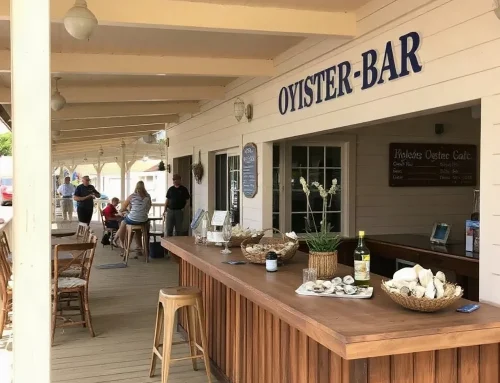
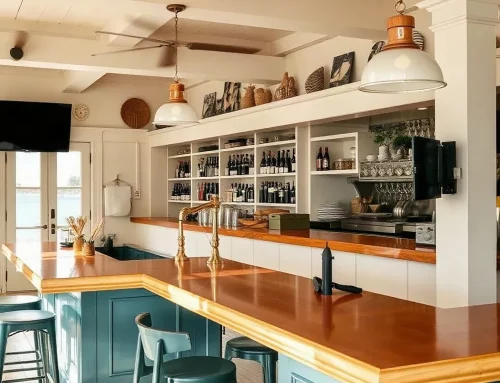
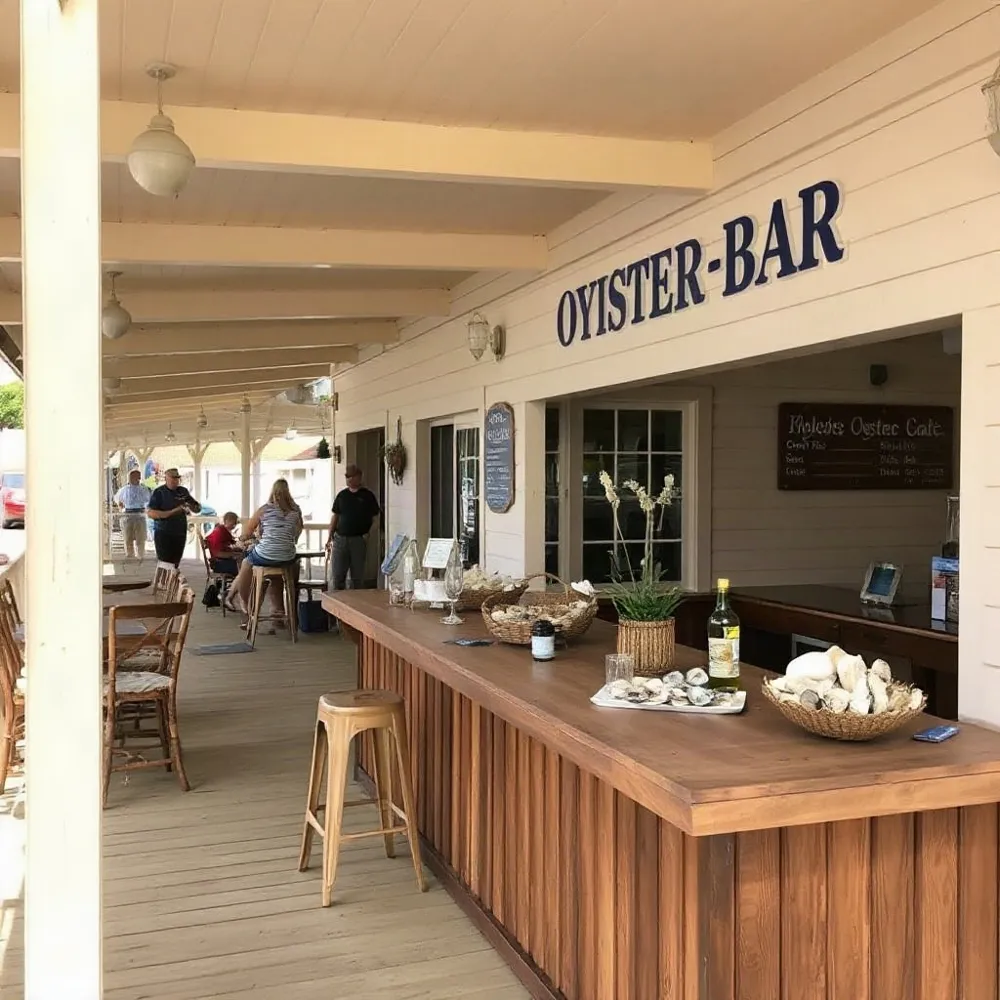
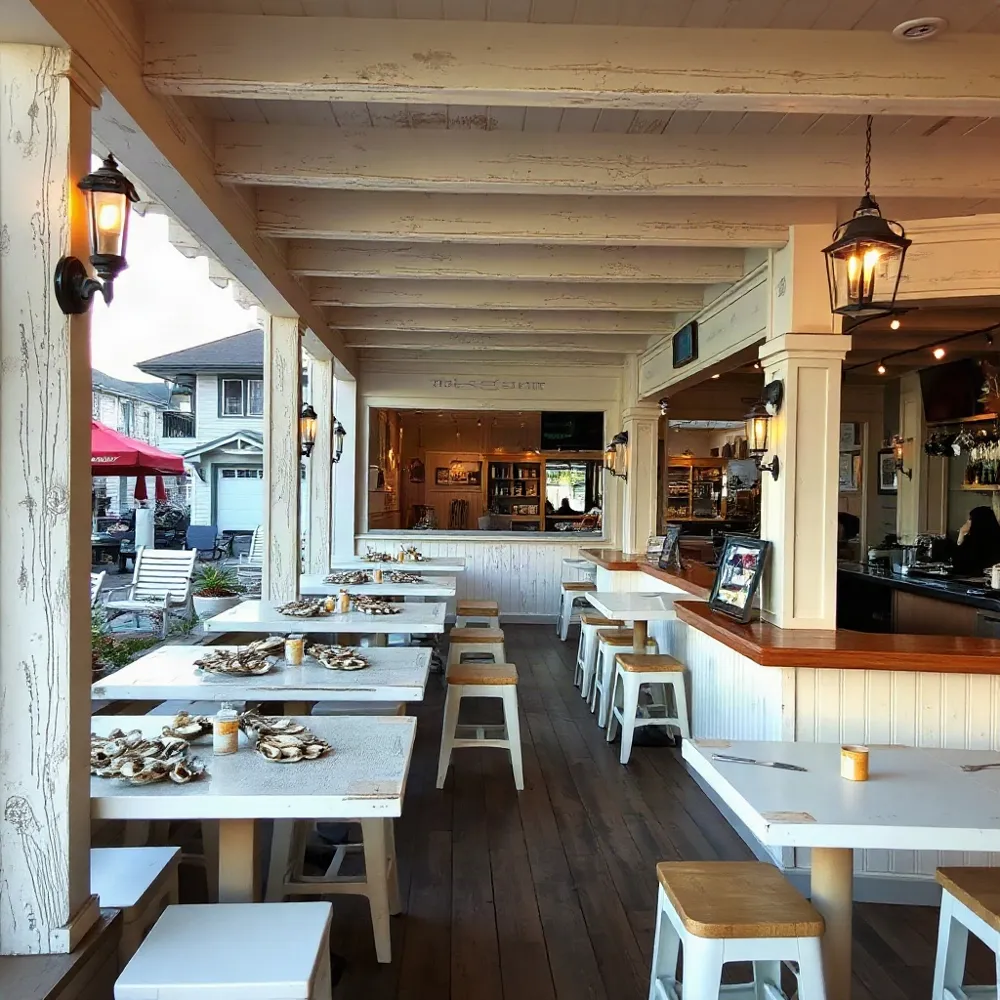
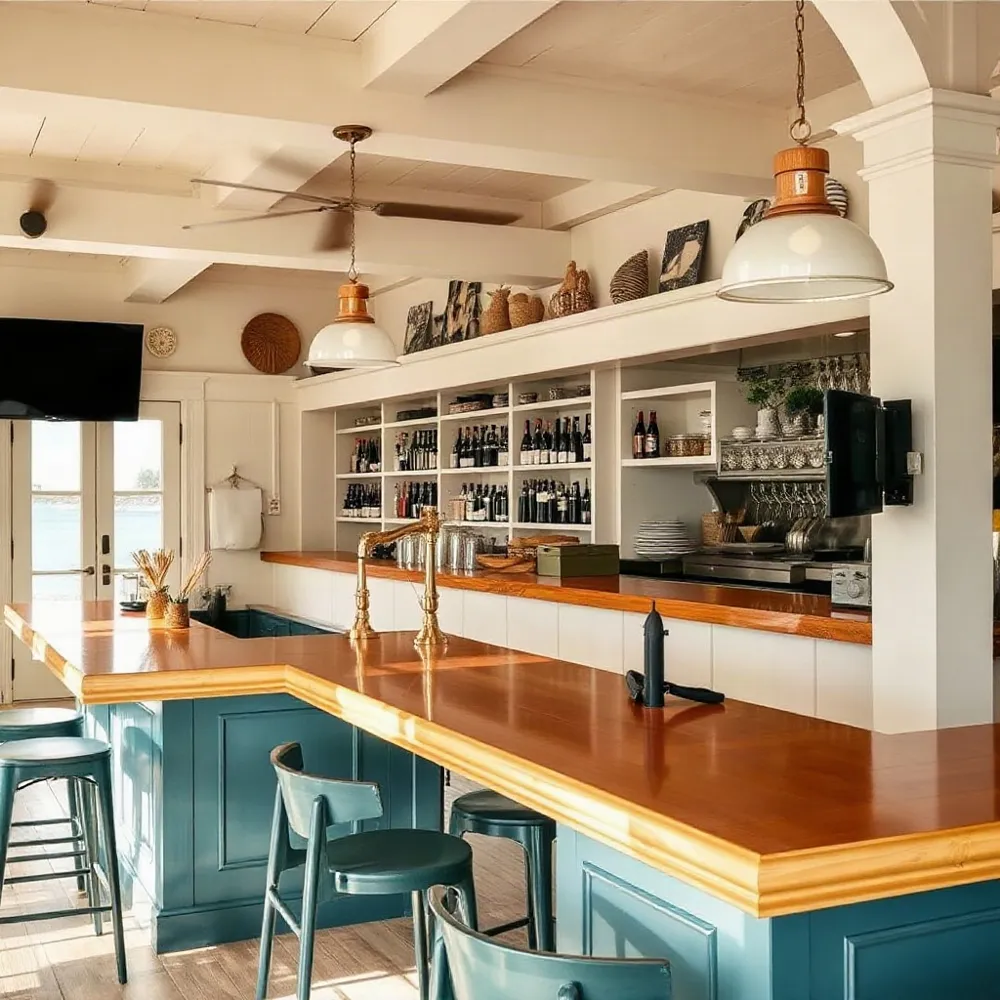
For Shuckin’ Shack, that means considering both the coastal-style oyster bar and the work behind opening and operating a restaurant. Its neighborhood seafood concept brings a coastal atmosphere to communities far from the ocean, but local demand, competition, available capital, and your appetite for day-to-day management all matter.
Look beyond the headline investment range. Review the current Franchise Disclosure Document (FDD) and franchise agreement for brand-specific fees, required expenses, training, ongoing support, operating rules, and renewal terms. The International Franchise Association’s diligence guidance also recommends speaking with franchisees and seeking independent advice. A careful review can help you decide whether the concept and the commitment fit your plans.
Understand the Investment Range

What is the estimated total investment to open a Shuckin’ Shack franchise? The estimated total investment is $500,000 to $1.5 million. That range reflects the fact that a coastal-style restaurant can require different levels of site preparation, leasehold improvements, equipment, and build-out depending on the property and local conditions.
Treat this figure as a starting point for planning, not a site-specific quote or a guaranteed ceiling. A space that needs substantial construction may call for a different budget than one already suited to restaurant use. Review the needs of your proposed location and leave room for costs that may change as the project develops.
The initial franchise fee is only one part of the commitment. The total investment also accounts for costs involved in developing and opening the restaurant, such as construction, equipment, and other startup needs. The Federal Trade Commission’s guide to buying a franchise recommends examining the full cost of ownership rather than focusing on the franchise fee alone.
For a current, itemized estimate, review the latest Shuckin’ Shack Franchise Disclosure Document, especially Item 7. Check what the estimate includes, what it excludes, and which costs may vary with your site. The FDD’s figures can inform your planning, but they should not replace a project budget built around your location and circumstances.
Ask a qualified accountant or financial adviser to assess whether the investment fits your available capital and financing plan. A franchise-experienced lawyer can explain the FDD and agreement before you commit. Independent review helps you understand the numbers behind a neighborhood seafood restaurant, not just the range shown in a headline.
Map Every Cost and Fee
What costs and franchise fees should prospective Shuckin’ Shack owners review before investing? Start with the current Franchise Disclosure Document (FDD), including its total investment estimate and itemized startup costs. The 2026 FDD lists a $45,000 initial franchise fee, a $15,000 training and opening fee, $232,000 to $805,893 for construction and leasehold improvements, and $103,000 to $332,353 for equipment.
The startup budget also includes lease deposits, inventory, permits, insurance, marketing, and three months of additional funds. These are estimates, not a promise of what a particular site will cost. A coastal-style restaurant’s construction needs, lease terms, and project requirements can change the actual total. The FTC guide to buying a franchise advises reviewing the full investment, not just the initial franchise fee, and investigating costs that may not be fully captured in the disclosure.
Check the royalty schedule and recurring charges, too. The supplied FDD information lists royalties of 3.5% of gross sales in the first year, 4.5% in the second, and 5.5% from the third year onward. It also lists a 1.5% brand development fund contribution, at least $500 per month for local marketing, $500 per month for the point-of-sale system, and $75 every two weeks for technology. Cooperative advertising fees may reach 1% of gross sales.
Sales-based royalties can remain due even when a restaurant is losing money. Model each recurring charge alongside rent, payroll, inventory, insurance, utilities, and working capital, rather than judging affordability by the startup total alone. Ask what each advertising contribution funds, how fees are calculated, and when payments are due.
Before committing, confirm every amount, calculation, and payment schedule in the current FDD, since terms and site-specific costs may change. The International Franchise Association’s diligence guidance recommends careful FDD review and independent professional advice. A franchise-experienced lawyer and accountant can help you check the obligations and build a realistic budget.
Test the Concept in Your Market
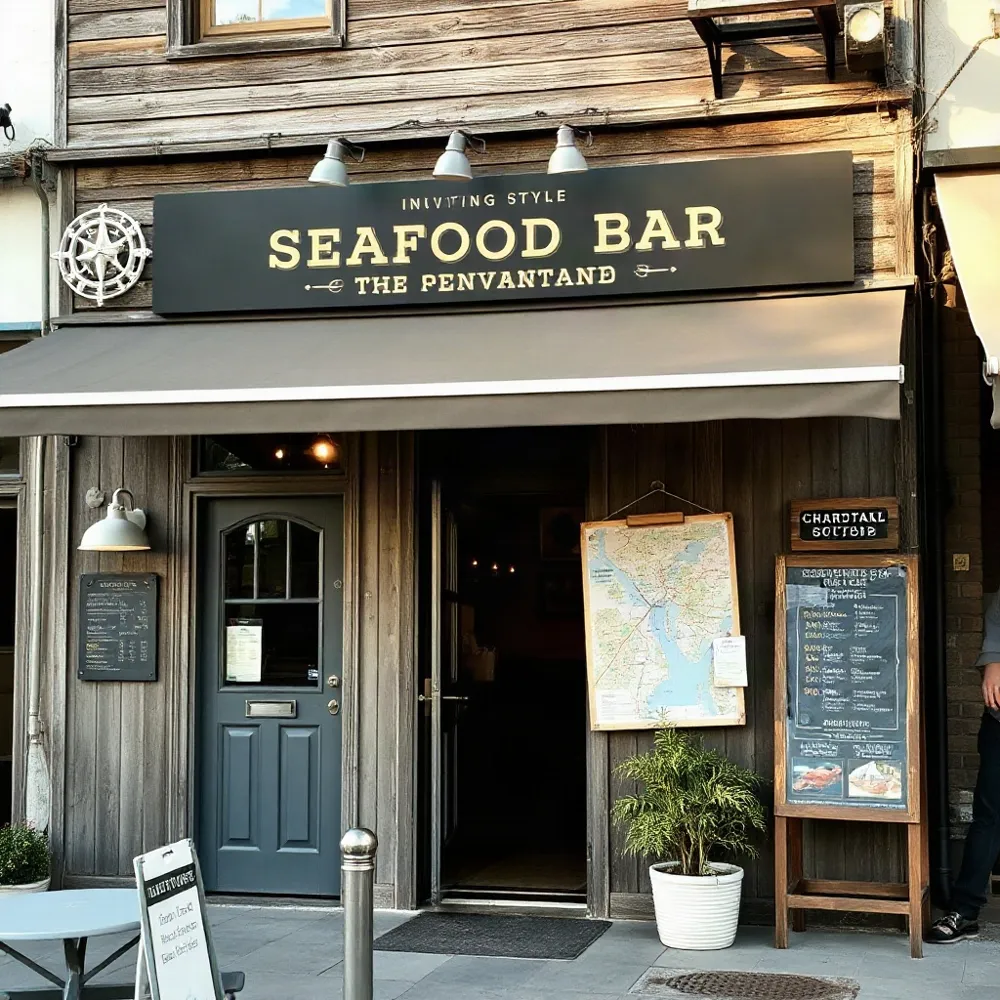
Can the Shuckin’ Shack coastal-style concept work in a market far from the ocean? The concept is designed to bring an East Coast seafood-bar experience to communities beyond the coast, with a casual oyster-bar setting, coastal-vacation atmosphere, and neighborhood feel. That positioning gives you a starting point for research, not a guarantee that local diners will respond.
A franchisee couple in Greenville, South Carolina, said the beach atmosphere and straightforward menu drew them to the concept, and they found relationships with guests and employees rewarding. Their account offers a glimpse of one ownership experience, not evidence of likely results in another city. Ask the franchisor how it approaches market selection and what it looks for in a proposed territory.
Then test the fit for yourself. Look at local seafood demand, customer demographics, seasonal swings, and whether potential guests are likely to return. Compare nearby restaurants serving similar food at similar prices, and consider whether residents already know the brand or whether local marketing will need to build awareness. The FTC’s franchise buying guide recommends examining local demand, competition, and the work required to attract customers.
Real estate matters as much as the menu. Check whether suitable sites are available at costs your plan can support, and whether the territory’s size and customer base fit a neighborhood-style seafood restaurant. Shuckin’ Shack’s coastal setting may travel beyond the shoreline, but the decision should rest on evidence from your community, conversations with the franchisor, and what local diners actually want.
Verify Training and Ongoing Support

For a seafood restaurant, training should cover more than recipes. Shuckin’ Shack describes support that begins with site selection and continues through real estate, licensing, construction, brand standards, and opening preparation. Ask which steps the team handles directly, what remains your responsibility, and how each part is documented.
The brand’s Shuck U program is described as a two-week course in Wilmington, North Carolina, combining classroom instruction, test-kitchen practice, and time in a working restaurant. Its stated curriculum includes seafood handling and food safety, recipes and service, cost control, financial reports, staffing, leases, and insurance. Confirm the schedule, who teaches each subject, and whether travel or other training costs are included in the current offering.
Shuckin’ Shack also describes experienced team members and leaders helping prepare staff and organize a soft opening. After launch, its operations team offers coaching and troubleshooting, while marketing support includes digital marketing and social media strategies. Treat these as details to verify in writing, not promises of sales or profitability. The Federal Trade Commission’s franchise guide recommends examining training and support closely and checking the franchisor’s claims with franchisees.
Before committing, ask who provides training, what it costs, how much on-site help is available before and after opening, and how quickly the operations team responds when a restaurant needs help. Request specifics on marketing support, too, such as what materials or guidance are provided and what local promotion is your responsibility.
Speak with current and former franchisees listed in the Franchise Disclosure Document, not only people selected as references. Ask whether training prepared them for daily operations, how useful opening assistance was, and whether marketing and operational guidance remained responsive after launch. The International Franchise Association’s diligence guidance also recommends hearing from operators about support and day-to-day challenges.
Read the Disclosure and Agreement
What should I investigate before deciding whether to buy a Shuckin’ Shack franchise? Start with the current Franchise Disclosure Document (FDD) and proposed franchise agreement. The FTC Franchise Rule requires the franchisor to provide the FDD at least 14 days before asking you to sign or pay. Get it early, before spending money to investigate the opportunity, and read the full document rather than relying on a sales presentation.
Treat the FDD as a decision document, not a substitute for questions or independent advice. Review the franchisor’s background and litigation, estimated costs and ongoing fees, supplier and territory restrictions, training and advertising commitments, and audited financial statements. Check outlet openings, closures, and transfers, too. The International Franchise Association’s due diligence guidance also recommends speaking with current and former franchisees and getting advice from qualified professionals.
If the FDD includes financial performance information, look closely at the assumptions and which locations are represented. The franchisor is not required to make earnings claims. Gross sales are not profit: rent, labor, food, and other expenses affect what remains. Ask whether the figures reflect restaurants comparable to your proposed market and request written clarification where needed.
Read the territory, renewal, transfer, termination, and dispute-resolution terms with care. Renewal is not automatic, and these provisions can affect whether you can continue operating, sell the restaurant, or exit. For a Shuckin’ Shack location, also confirm in writing what training, site-selection guidance, marketing, and operational support are offered, and clarify your expected day-to-day role.
Before signing, ask for updated FDD information and keep a copy of the documents. Have a franchise-experienced attorney explain the agreement, and ask an accountant or financial adviser to review the costs, assumptions, financing plan, and location-specific budget. For a broader checklist of factors to weigh, see how to evaluate a restaurant franchise before you invest.
Learn From Franchisees and Plan Your Role
Conversations with franchisees can show what ownership looks like beyond the sales presentation. Ask for the current and former franchisee contacts listed in the Franchise Disclosure Document (FDD), and speak with a range of owners rather than relying only on references selected by the franchisor. The FTC’s guide to buying a franchise recommends checking real-world costs, support, and operating experiences directly with franchisees.
Ask newer owners about the time and cost involved in opening, the training they received, and whether help was available when challenges arose. Owners with more years in the system can discuss ongoing support, profitability, investment recovery, and whether they would make the same choice again. Former franchisees may explain why they left and whether unexpected costs or operating demands played a part.
For a Shuckin’ Shack candidate, include questions about bringing its coastal-style oyster bar into a local community: how owners build awareness, connect with neighborhood guests, and manage day-to-day restaurant responsibilities. The welcoming atmosphere may suit someone who enjoys hospitality, but it does not replace careful planning or the demands of running a restaurant.
Be candid about your own capacity. Consider available capital, financing, income needs, management experience, the hours you can commit, and how much of a potential loss you could absorb. Franchise ownership also means following brand standards and operating rules, rather than making every business decision independently.
Build a cash-flow plan that accounts for the opening period, continuing expenses, and your personal living costs. The FTC cautions that reaching break-even can take more than a year, and some franchises never break even. Compare your assumptions with franchisee experiences and seek independent financial advice before deciding.
Make the Decision With Evidence
A coastal neighborhood restaurant may sound like the right fit, but the decision depends on more than the concept. Weigh local demand, the full investment, your role as owner, and the agreement’s obligations together. Shuckin’ Shack describes a casual oyster-bar concept with hands-on operational support, but those features do not remove the need to check whether the opportunity suits your circumstances.
Use the current Franchise Disclosure Document to confirm Shuckin’ Shack’s costs, support commitments, territory terms, and any financial performance information. The FTC’s franchise buying guide explains what prospective owners should investigate, including the risks and limits of earnings claims.
Speak candidly with current and former franchisees, then ask an independent franchise attorney and accountant to review the agreement and financial assumptions. The International Franchise Association’s diligence guidance also recommends independent advice. Careful review can help you decide with a clear view of both the coastal concept’s appeal and the responsibilities that come with ownership.