More Than a Seafood Menu
What makes a seafood restaurant worth returning to? The food matters, but so does the feeling guests take with them: a warm welcome, a comfortable place to gather, and a sense that the restaurant belongs in the neighborhood.
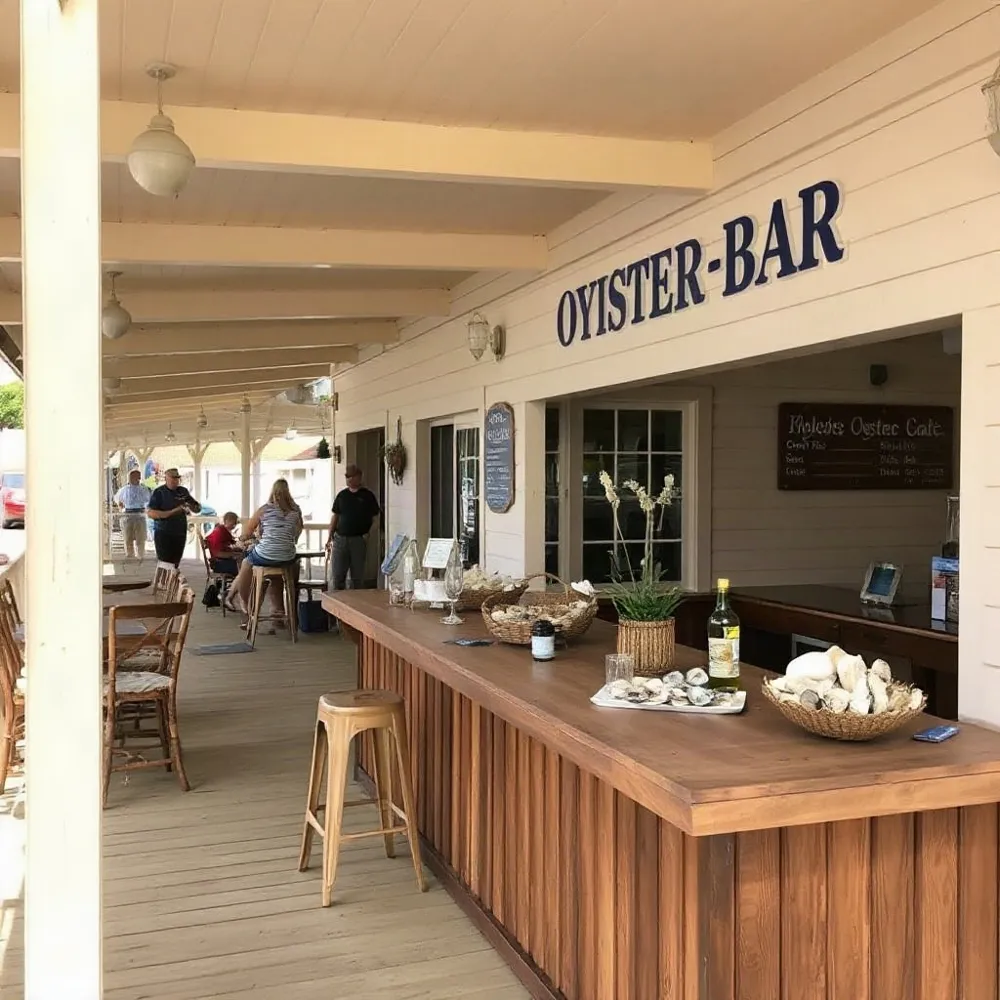
Shuckin’ Shack brings those elements together in a casual, neighborhood-style oyster bar with a coastal vacation vibe. Its concept is designed for communities across the United States, including markets far from the ocean, where familiar seafood favorites can meet an easygoing coastal atmosphere. Restaurant franchising can give owners an established brand and operating framework, though the level of training and ongoing support varies by franchise.
For prospective owners, the opportunity is not simply to open a place that serves seafood. It is to bring a recognizable concept into a local market and make it feel at home there. Dependable hospitality helps guests feel welcome, while community relationships can give them reasons to return and recommend the restaurant to others.
That balance matters whether the neighborhood draws local regulars, visitors, or both. Shuckin’ Shack pairs its portable coastal identity with hands-on support from operators who have built the business themselves, giving franchise partners guidance as they bring the concept to their own community.
A Coastal Concept That Travels
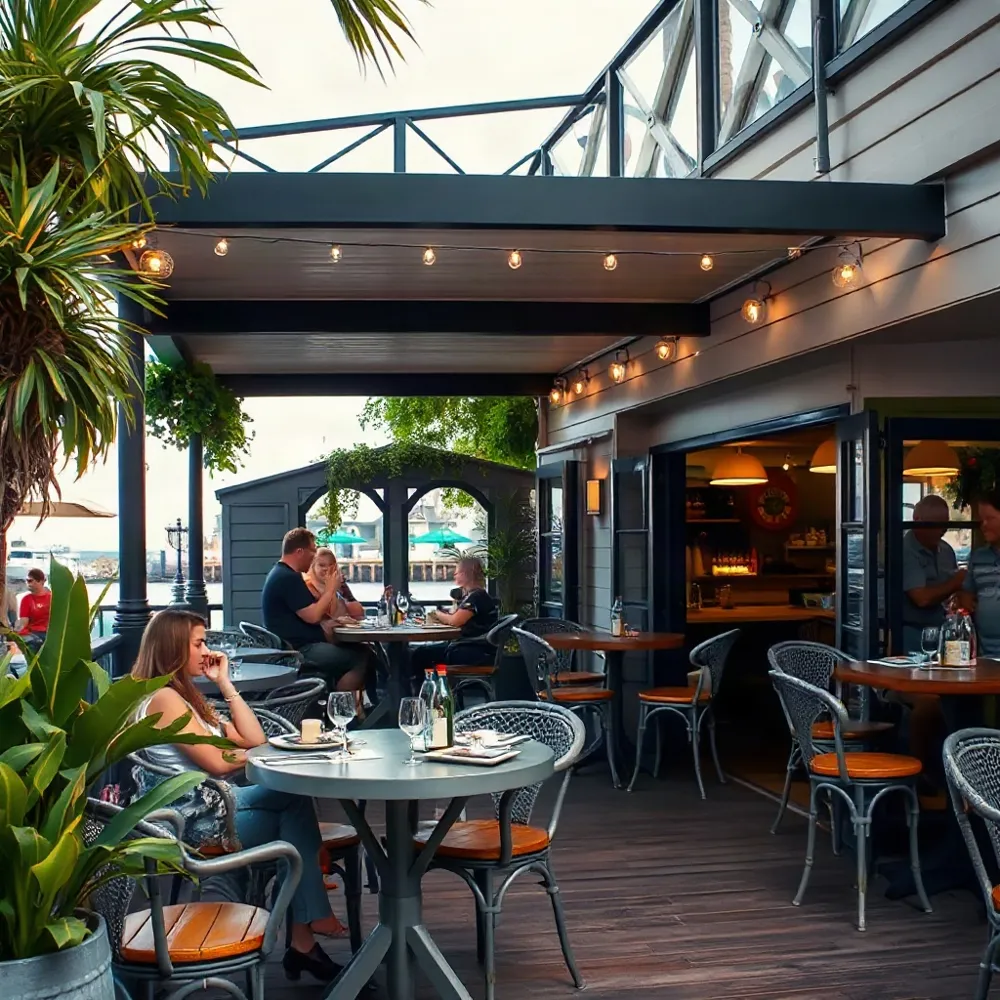
A restaurant concept is more than its decor. Menu, price point, service style, atmosphere, and the overall guest experience need to fit together and make sense for the people nearby. A coastal theme can set a mood, but it cannot make a poor market fit work.
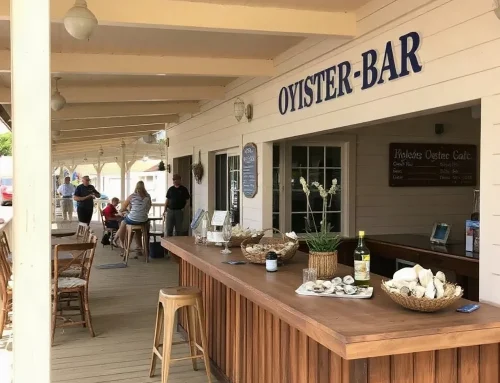
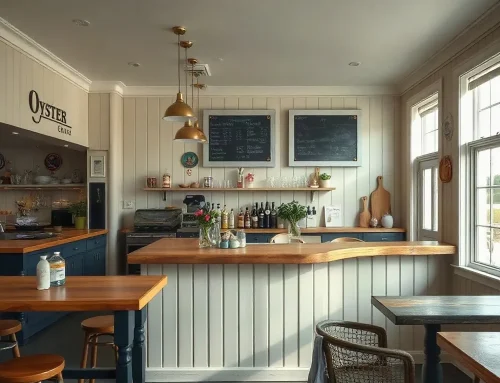
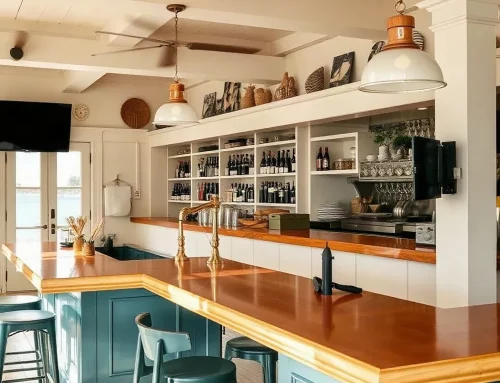
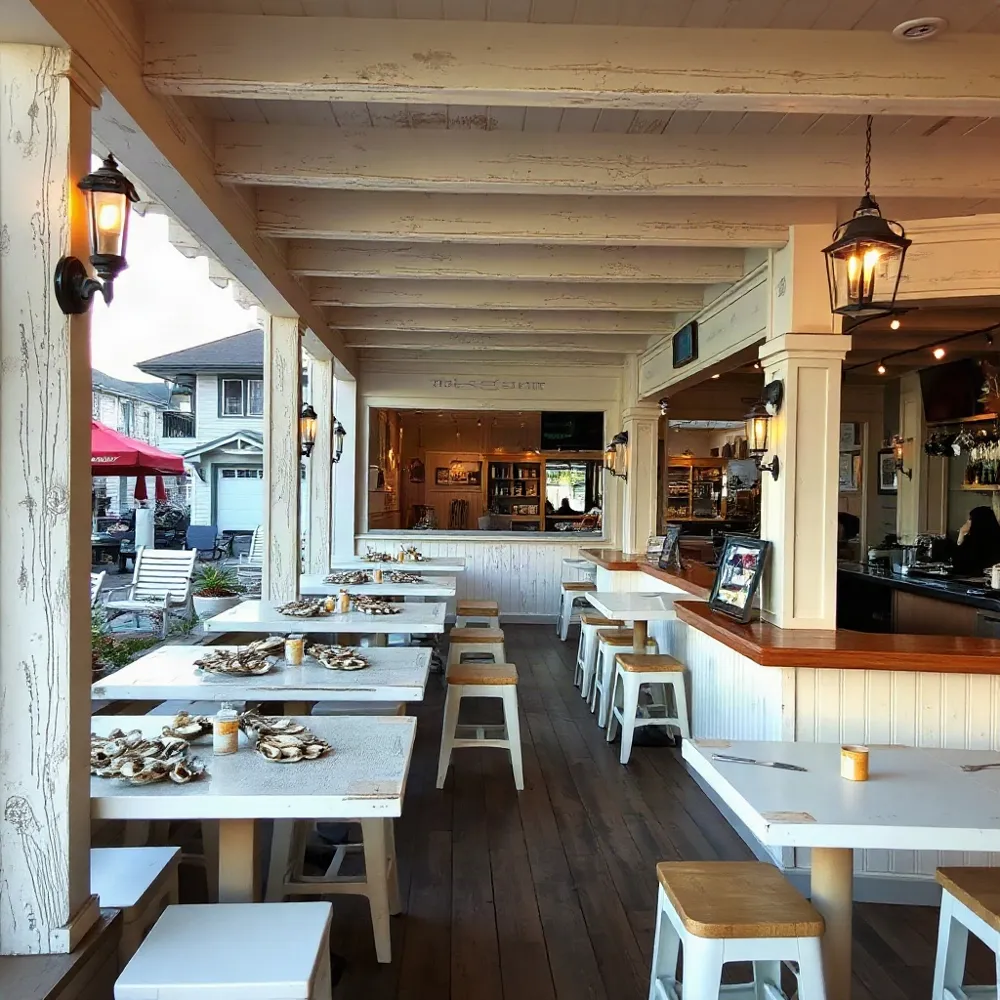
Shuckin’ Shack pairs a coastal vacation atmosphere with a neighborhood-style oyster bar, giving the concept a coastal character without requiring an oceanfront address. Its intended distinction is the experience: a relaxed place for locals to become regulars and visitors to feel welcome. Restaurant franchise ownership also means working within an established brand and business model, rather than creating every part of the concept from scratch.
Ivar’s offers a useful, brief example of how a seafood identity can take different forms, from fast-casual seafood bars to full-service restaurants. Shuckin’ Shack takes a different route, centering its franchise on a casual oyster-bar setting with a coastal vacation feel, rather than relying on a waterfront location or one regional setting.
Before committing to a site, look closely at the people who live, work, or visit nearby. Consider whether the property can support the intended seating and service, whether the available staff can deliver that service, and what nearby restaurants already offer. A concept may travel beyond the coast, but each location still needs a practical fit with its audience, building, and competition.
A Menu Owners Can Build On
Building a seafood menu from scratch means making decisions about the food, the brand, and the experience guests can expect. Shuckin’ Shack gives franchisees an established starting point, so owners do not have to create a seafood offering and restaurant identity on their own.
The supplied brand information describes the menu as simple, fresh, and delicious, with sustainability guiding product selection. That direction gives owners a practical foundation to learn and operate, rather than a promise of business success. Franchise systems can also provide an operating framework, training, and support, though the details vary by brand, as this guide to restaurant franchising explains.
For a new owner, guidance matters beyond the menu itself. Training and continued operational support help franchisees put the concept into practice, including following established procedures and customer-service standards. These resources can make the work of running the restaurant more structured, while the owner remains responsible for applying the systems day to day.
The aim is to keep the welcoming coastal experience recognizable while letting each restaurant feel connected to its community. That does not mean assuming owners can change particular menu items or operating rules. Instead, the local connection sits alongside a shared brand and a consistent guest experience.
So, how does Shuckin’ Shack help franchisees create a seafood menu? It provides an established offering, guidance, training, and ongoing support rather than asking owners to develop the menu and brand alone. Prospective franchisees should review the franchise disclosure document and ask what training, assistance, and operating requirements apply before making a commitment.
Hospitality That Earns Repeat Visits
A good seafood meal can bring people through the door, but the way guests are treated often shapes whether they want to return. For a neighborhood oyster bar, hospitality means a warm greeting, clear answers about the menu, and a relaxed setting where families, friends, and visitors can settle in without feeling rushed.
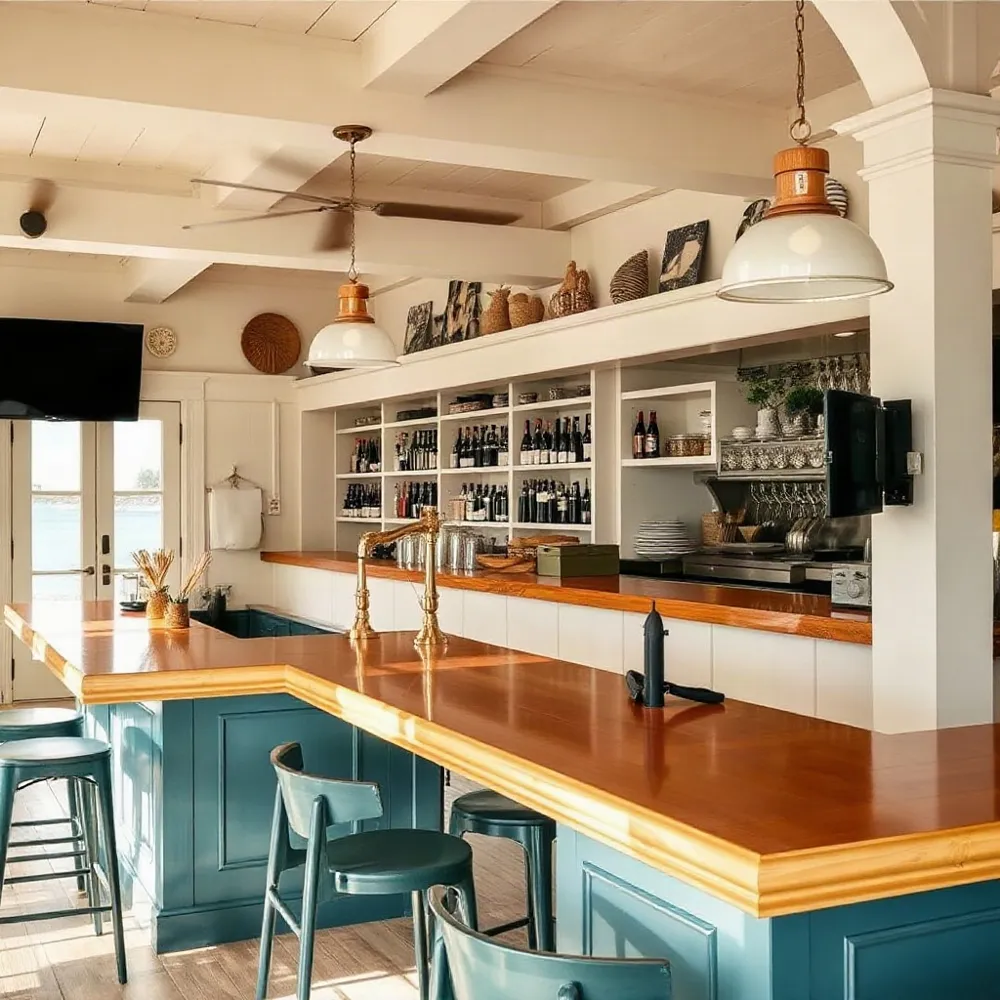
That welcome should feel consistent whether someone stops in for a casual meal or gathers with a group. Shuckin’ Shack’s neighborhood-style seafood bar is designed to pair a coastal vacation feel with an easygoing local atmosphere, giving franchise owners a setting that can serve both regulars and out-of-town guests.
For prospective owners, hospitality is not only a matter of personality. It also depends on training and clear service expectations. Shuckin’ Shack offers hands-on training and ongoing operational assistance as part of its franchise support, helping owners put welcoming service into practice.
When guests feel recognized, receive their order as expected, and enjoy an inviting space, they have a reason to consider coming back. The lasting connection grows visit by visit, through reliable care and a sense of belonging.
Turning a Restaurant Into a Neighbor
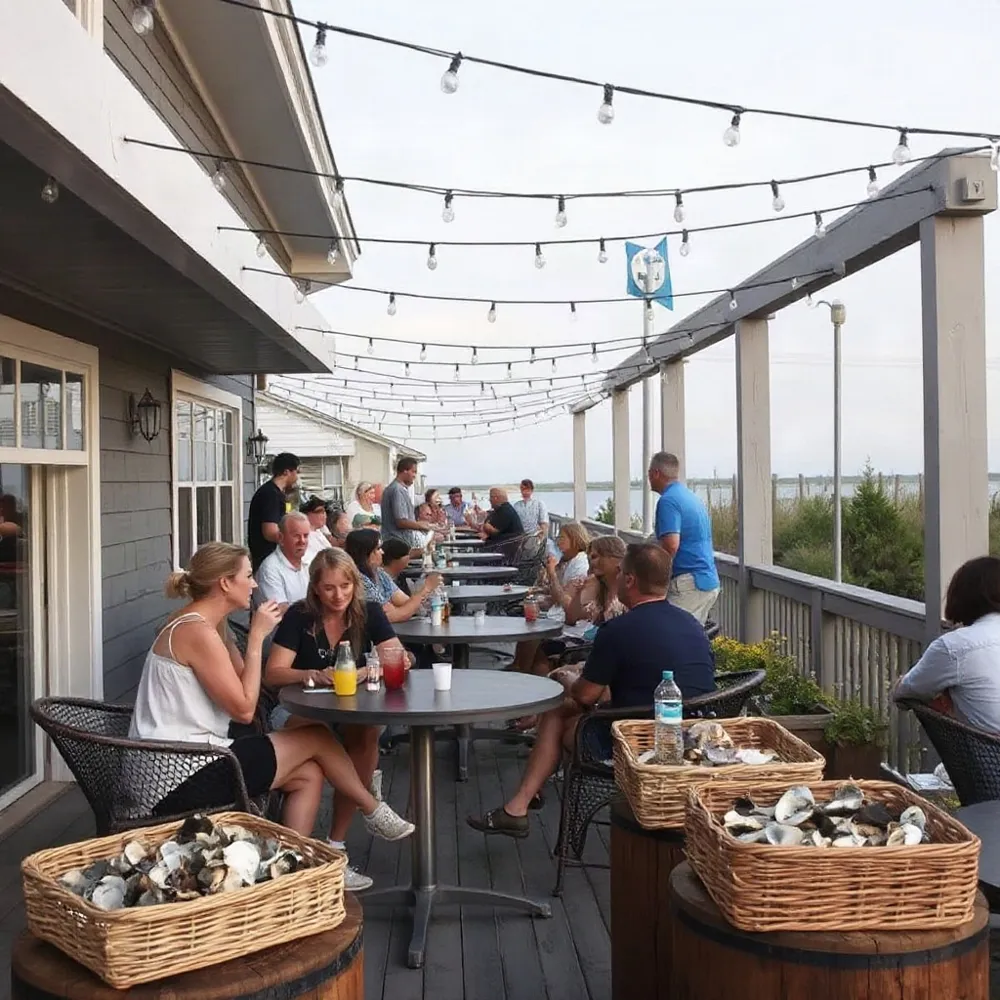
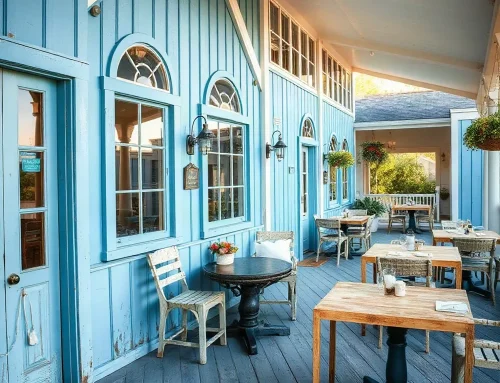
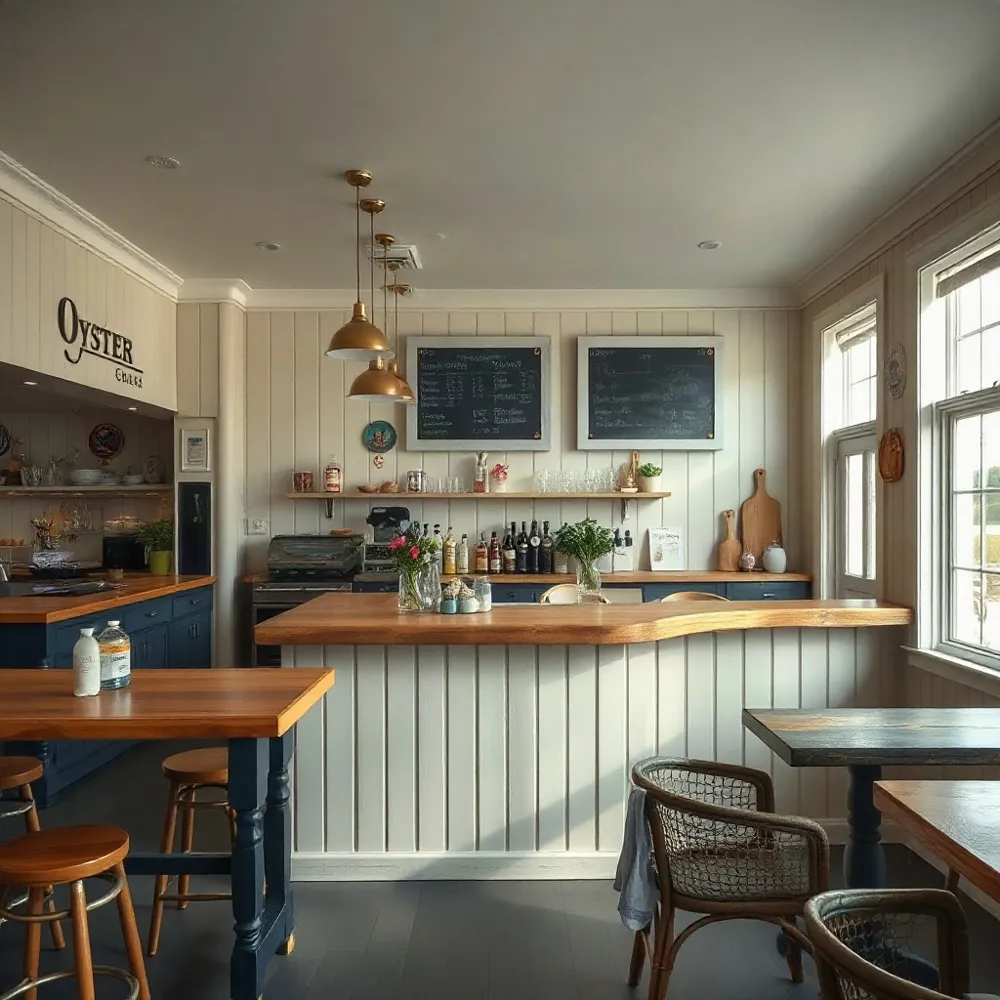
A neighborhood restaurant becomes part of local life through more than its menu. Shuckin’ Shack is designed as a casual, family-friendly seafood bar where locals can return for friendly service and visitors can find a coastal experience far from the shoreline. Its coastal-vacation atmosphere gives franchisees a distinct setting for neighbors to gather, share a meal, and make the restaurant their own.
The concept provides a starting point, but community ties grow through consistent, face-to-face effort. Franchisees can get involved in local events, build relationships with nearby businesses, and support school fundraisers. Social media can keep residents informed about the restaurant’s people, food, and neighborhood activities. Shuckin’ Shack provides marketing guidance, including social media and other community-facing efforts, as well as ongoing operational support. These resources can help franchisees stay engaged, but they do not guarantee local recognition; trust grows through what a restaurant does over time.
Community programs can also give a restaurant a meaningful role beyond dining. For a Shuckin’ Shack owner, local partnerships and genuine hospitality offer practical ways to build relationships while welcoming guests back.
Franchise systems can provide training, marketing materials, and ongoing guidance, though the support offered varies by brand, as Escoffier’s overview of restaurant franchising explains. Shuckin’ Shack pairs its neighborhood-style seafood bar with hands-on support from operators who have built the business themselves. Franchisees still need to show up locally, listen to guests, and follow through. The combination of a welcoming gathering place, steady outreach, and operational guidance gives owners a practical foundation for building community.
Know the Market Before You Commit
A seafood concept can feel at home in many places, but not every market supports the same restaurant. Before signing a lease, weigh local demand alongside rent, the building’s layout and ventilation, parking, and the staffing pool. Look at nearby competition, too: a distinctive coastal atmosphere only helps if it meets a need local diners actually have.
Shuckin’ Shack’s neighborhood-style oyster bar is designed to bring a coastal vacation feel to markets far from the ocean. That portability is a starting point, not a substitute for local research. Visit competing restaurants during busy periods, compare menus and prices, and check delivery listings and reviews for gaps. Where practical, a pop-up or limited catering offer can help you gauge interest before making a long-term commitment.
Supply deserves its own scrutiny. Seafood is perishable, and availability can shift with seasons, weather, and regulations. Ask how potential suppliers handle changes in availability, what inventory practices the operation requires, and whether the menu can adapt without confusing guests. Shuckin’ Shack provides a menu and operating framework rather than asking owners to build a seafood brand from scratch, but local supply realities still belong in the planning.
Do not assume seafood served in a coastal town was caught nearby. Before making local-sourcing claims, confirm the origin and what documentation supports it. As you evaluate a franchise opportunity, ask how sourcing choices fit the menu, what information can be shared with guests, and how the system handles products whose origins or availability vary. Clear answers help you set honest expectations and choose a concept that fits the market.
Understand the Investment and Support

A franchise gives you a way to open a restaurant with an established name and operating framework rather than creating every system from scratch. The trade-off is real: franchisees pay fees and generally have less control over the menu, branding, and operations than independent owners. The supplied brand brief puts Shuckin’ Shack’s total investment range at $500,000 to $1.5 million. Treat that as a brand-brief figure, not a complete estimate for every location.
Training, documented procedures, and marketing guidance may help you understand the work ahead, but support varies by franchise. Shuckin’ Shack describes its offering as a neighborhood-style oyster-bar concept with hands-on training and operational support, giving prospective owners a defined coastal concept to assess. Compare those specific offerings with the fees and obligations in the Franchise Disclosure Document.
The FDD lays out standardized information, including estimated investment, fees, training and assistance, franchisee obligations, restrictions, and financial details. Read it carefully, then ask the franchisor to explain anything that is unclear. Pay particular attention to ongoing support and any location or territory limits, since those can shape how and where you operate.
Speak with current franchisees about their day-to-day experience, the support they receive, and the demands of opening and running a restaurant. Shuckin’ Shack’s stated investment range and support model give you starting points for those conversations, not a promise of a particular result. A franchise system cannot guarantee success; you still need enough capital, careful local research, and hands-on effort.
A Local Welcome With Coastal Character
A seafood restaurant earns a place in its community when the food, atmosphere, and service feel made for the people who live nearby. A coastal look can set the mood, but a lasting neighborhood presence also depends on welcoming guests, understanding local tastes, and showing up beyond the dining room.
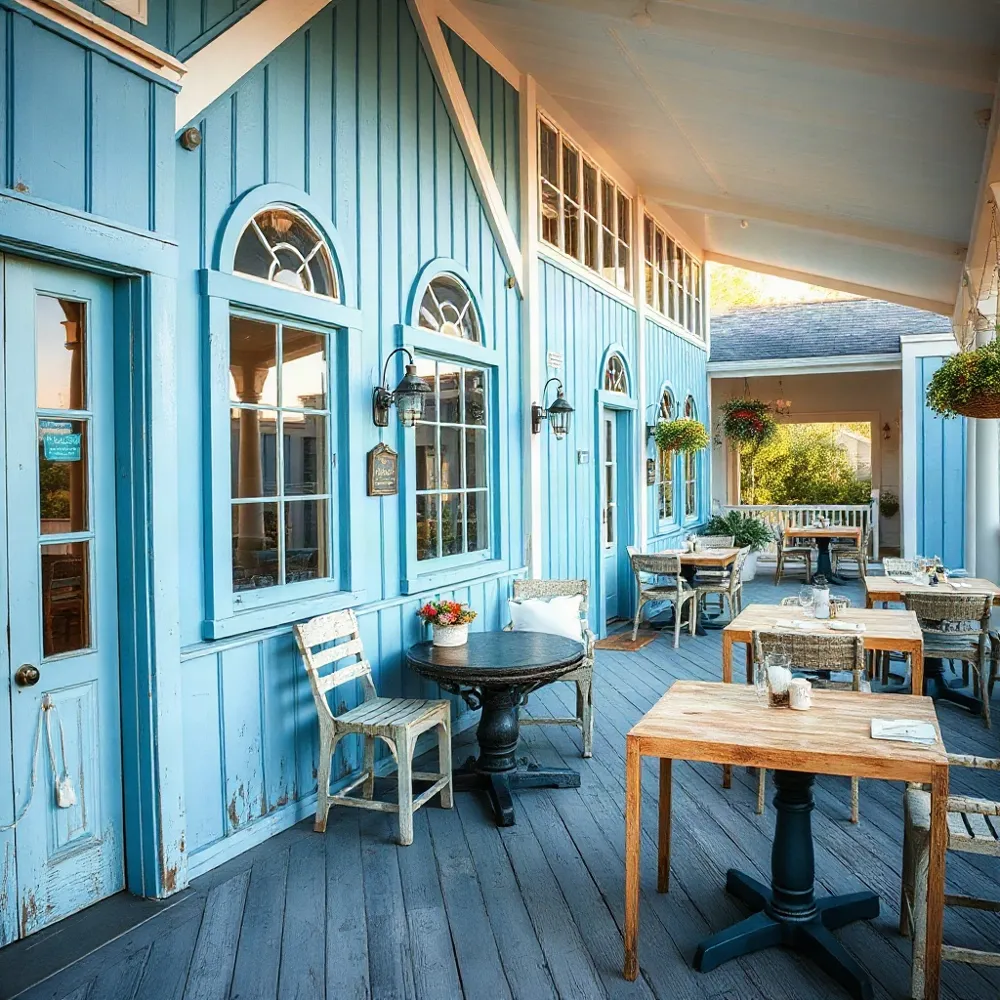
That balance is central to Shuckin’ Shack: a neighborhood-style oyster bar with a coastal vacation atmosphere, an established menu, and guidance for franchise owners. Its concept is designed to bring an East Coast feel to markets far from the shore, while leaving room for local owners to build relationships with residents and visitors. Franchise ownership still calls for hands-on work, and the fit depends on the market and the operator.
Before making a commitment, test whether the concept suits the community you want to serve. Consider local dining habits, nearby competition, staffing, and the investment required. Then review the franchise disclosure document closely, ask direct questions about fees and ongoing support, and speak with current franchisees where possible. The right choice is not simply a restaurant you like, but a business you can operate with care and make part of the neighborhood.
If that prospect appeals to you, explore the franchise details and take time to assess your market. A strong local welcome starts with a concept that fits, followed by an owner ready to serve the community consistently.