Start With A Framework
If you want to open a seafood restaurant, you do not have to begin by inventing a brand, menu, and operating approach from scratch. A franchise can provide an established name and system, along with training and support, though it does not guarantee success. The FTC’s guide to buying a franchise explains what to examine before making a commitment.
Shuckin’ Shack is a casual oyster-bar franchise built around an East Coast coastal feel and neighborhood-style hospitality. That ready-made concept is a starting point, not a substitute for your own hands-on management or careful financial planning. Its stated total investment range is $500,000 to $1.5 million, so assess the full cost alongside your experience, available capital, and local demand.
This article follows a practical path: weigh the franchise trade-off, review the investment, learn what training and support are offered, and test the business case before signing. The goal is to help you decide whether this kind of coastal seafood restaurant fits your goals and the community you hope to serve.
Choose A Franchise Starting Point
Starting an independent seafood restaurant means building the concept, name, menu, operating routines, and customer base yourself. A franchise gives you an established format to work from, though it cannot promise that a new location will succeed. The FTC guide to buying a franchise explains what buyers should examine before committing.
For owners who prefer guidance to a blank page, Shuckin’ Shack offers a ready-to-use menu and coastal atmosphere, along with training, marketing, and operational support. That structure can reduce the amount you need to develop independently, while leaving the daily work of serving guests and managing a restaurant firmly in your hands.
The trade-off is control and cost. Franchise agreements may set rules for menus, suppliers, design, and operations, and owners may owe fees and royalties. Independent operators have more freedom to shape the restaurant, but must create and manage those systems themselves. The FTC advises reviewing the agreement and disclosure document carefully, since obligations and expenses vary by franchise.
Shuckin’ Shack’s stated total investment ranges from $500,000 to $1.5 million. Compare that full commitment with the time and resources required to build a restaurant from scratch, then review the current Franchise Disclosure Document and speak with franchisees before deciding whether its guided approach fits your plans.
Plan For The Full Investment
What does it cost to open a Shuckin’ Shack franchise? The supplied estimate, based on the 2026 Franchise Disclosure Document (FDD), puts the total investment at $500,000 to $1.5 million, including a $45,000 initial franchise fee. The Shuckin’ Shack investment details outline the range, but the FDD is the place to review the complete terms and fee schedule.
That total covers more than the right to use the brand. It includes costs such as construction, equipment, opening inventory, and working capital. Construction and leasehold improvements are estimated at $232,000 to $805,893, a wide range that reflects how much the site and build-out can affect the budget.
Your actual costs will depend on the location, restaurant size, and work needed to prepare the space. An existing restaurant site may require a different build-out from an empty space, so use the disclosure to understand the estimate and ask questions about assumptions that apply to your plans.
The initial fee is only one part of the commitment. Budget for opening costs and ongoing expenses, as well as enough working capital to cover bills while revenue builds. The FTC advises reviewing FDD Items 5 through 7 for initial and continuing costs, including fees, equipment, leases, royalties, and advertising contributions. The FTC’s franchise buying guide also recommends considering personal living expenses and the possibility that a business may take time to break even.
The FDD lists continuing royalties, brand fund contributions, and marketing and technology fees. Review the full fee details with a qualified financial adviser rather than judging affordability by the initial fee alone. Before committing, assess your available capital, financing needs, personal expenses, and ability to absorb delays or losses. General franchise funding options are not a Shuckin’ Shack-specific financing offer, and any financing plan should be checked against your own circumstances.
Understand The Training And Support
What support and training does Shuckin’ Shack provide to franchise owners? The process starts before opening, with guidance on real estate, site selection, licensing, construction, design, and brand standards. That support helps owners work through practical steps while shaping a neighborhood seafood restaurant with the brand’s coastal feel.
Owners and their teams attend Shuck U, a two-week program in Wilmington, North Carolina. It combines classroom instruction, recipe practice, and hands-on experience in a working restaurant. Training covers seafood handling and food safety, daily operations, team management, and business basics such as food and labor costs.
As opening approaches, Shuckin’ Shack provides help with staff training, orientation, and the soft opening. After launch, support includes operations coaching and troubleshooting, additional training for managers and staff, and digital marketing and social media assistance. Ask how these services fit your plans for hiring, learning the operation, and building local awareness.
Before you commit, check the current Franchise Disclosure Document (FDD) and franchise agreement for the training’s duration, content, costs, and ongoing support commitments. The FTC franchise guide recommends reviewing the training and assistance disclosures in FDD Item 11 and asking franchisees whether the help was useful. Speak with current Shuckin’ Shack owners about what support looked like during opening and how responsive the team has been since.
Bring The Coastal Concept Inland
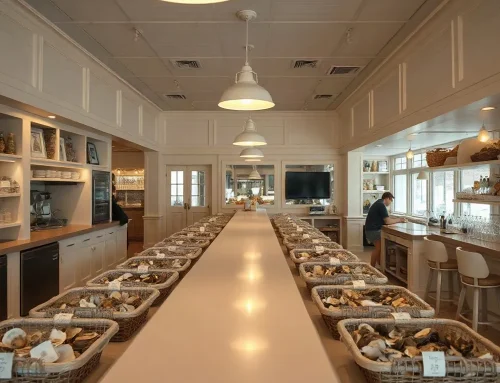
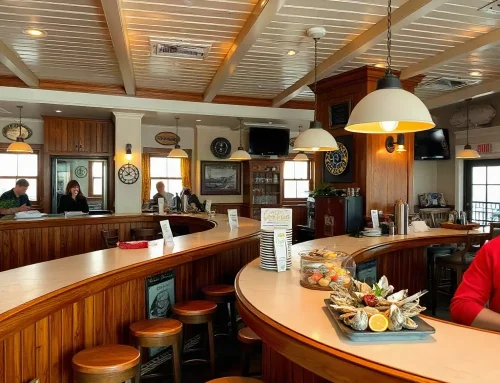
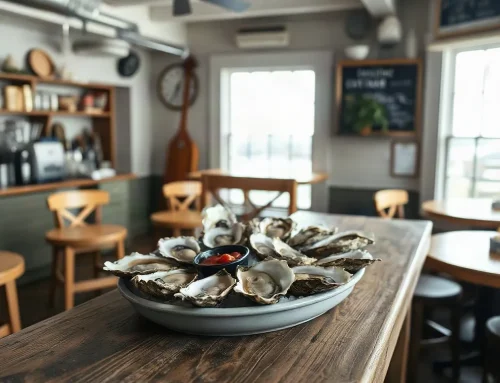
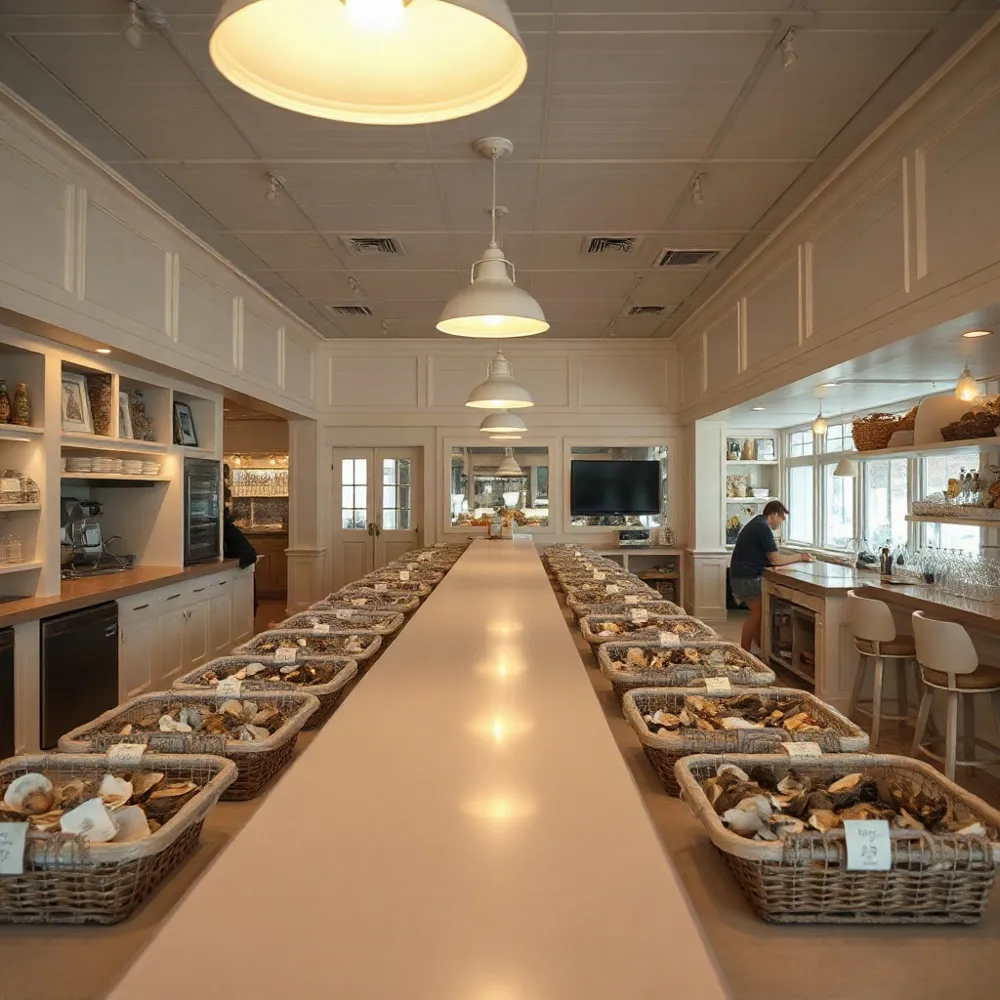
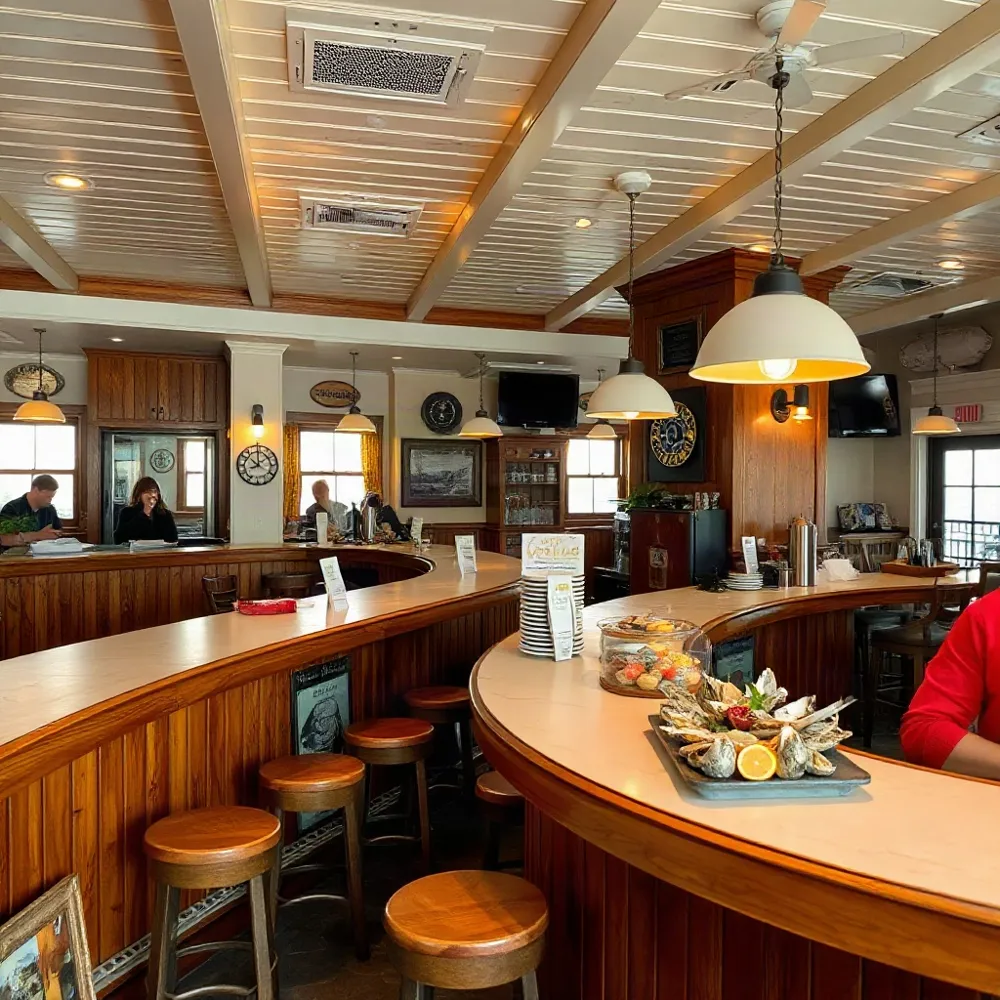
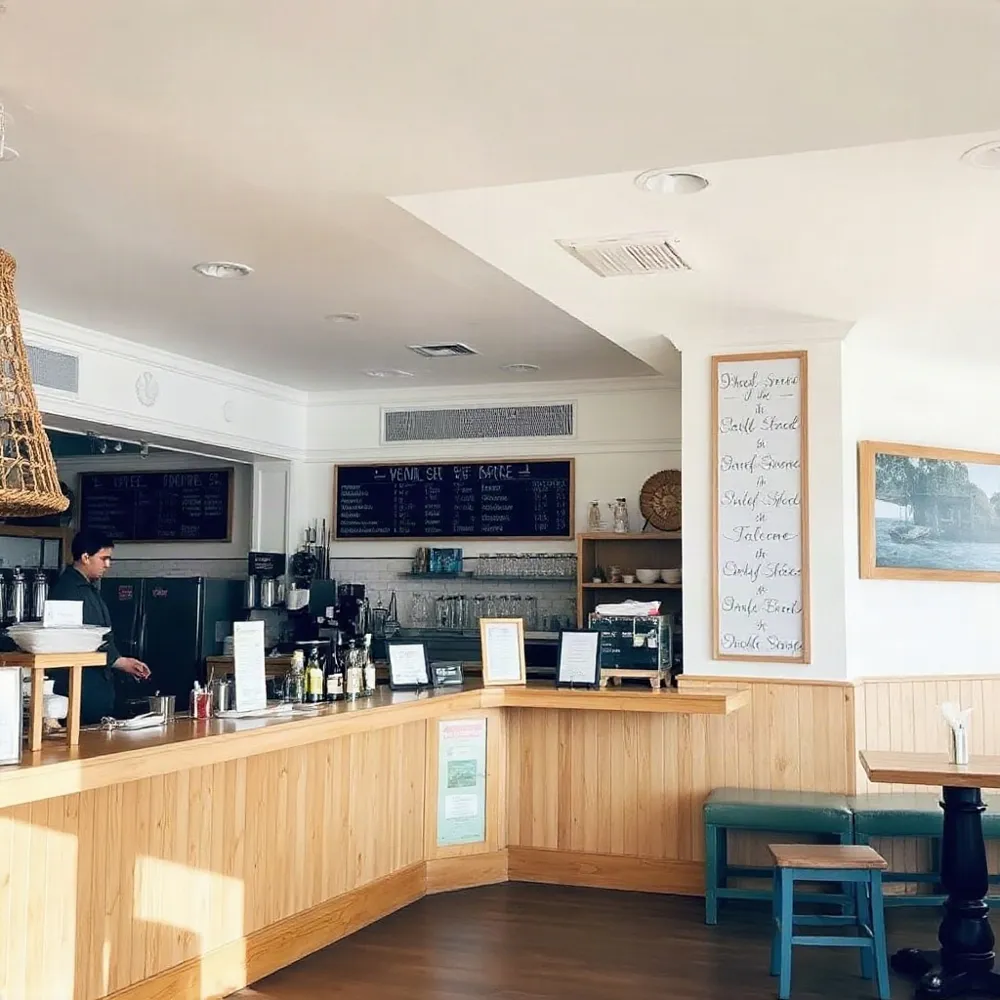
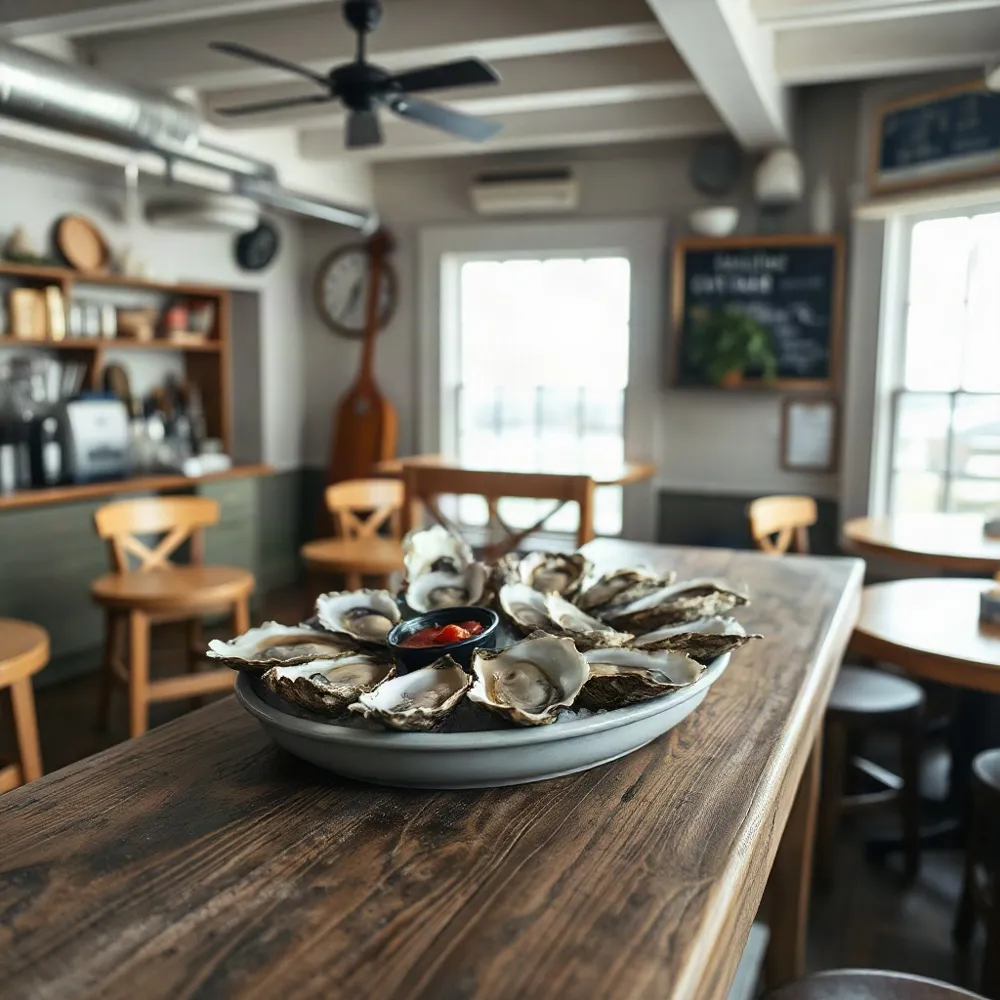
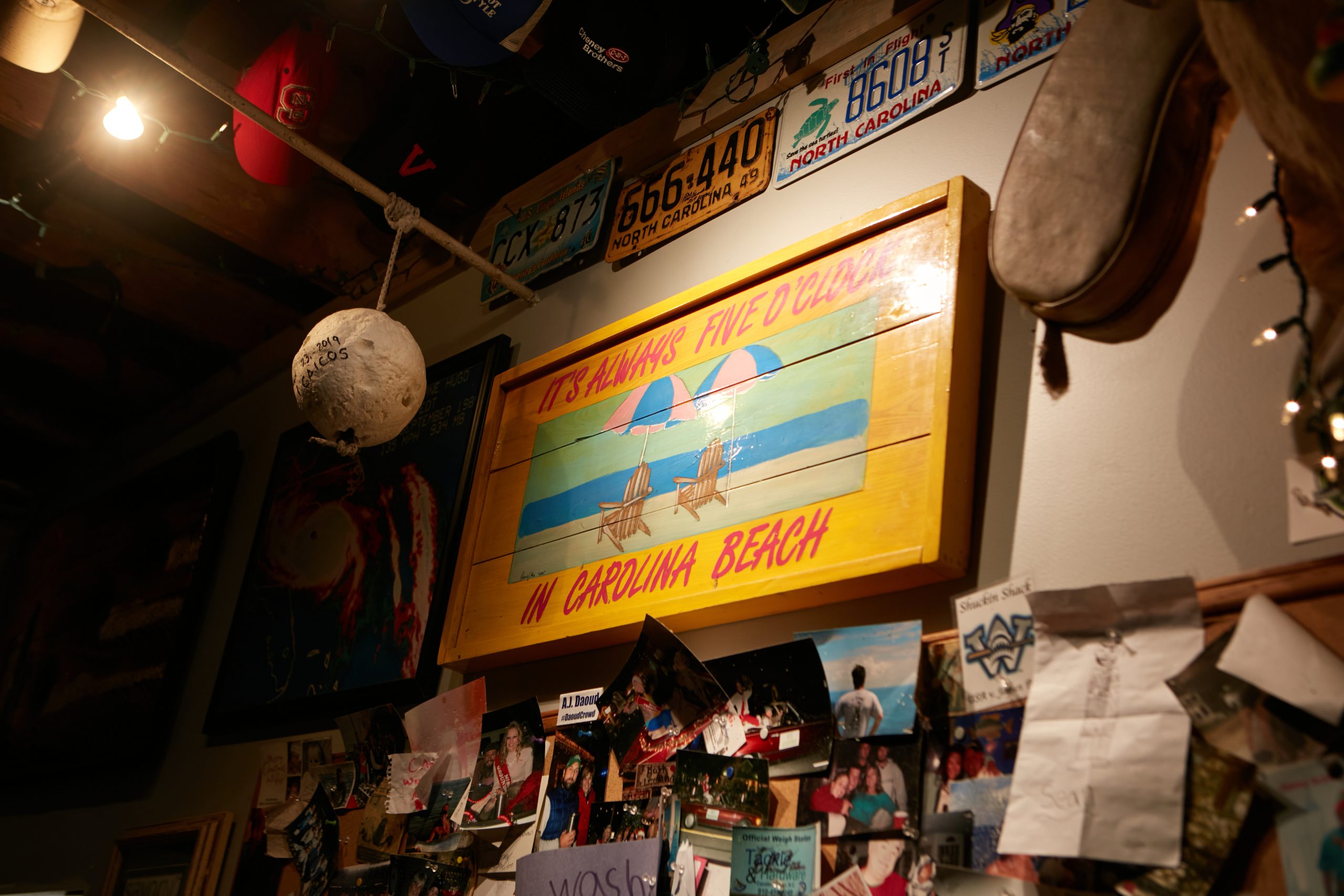
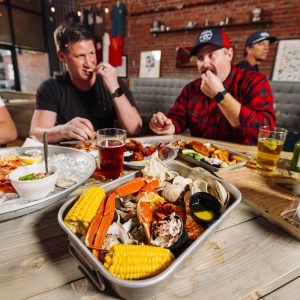
So what makes Shuckin’ Shack different from other restaurant franchise concepts? It brings an East Coast-style seafood experience to communities far from the coast, pairing a casual oyster bar with a coastal vacation feel and neighborhood-style hospitality.
The goal is to create a place where your guests receive personal, genuine service and local customers become regulars. Think of it as an idea for how the restaurant should feel, not a promise that your town will provide enough demand or lack competing seafood options. The FTC’s franchise buying guide recommends assessing local demand and competition before choosing a location.
Rather than building a menu and operating model from scratch, you start with a format already in place. Shuckin’ Shack describes its concept as designed for a smaller footprint than many restaurants, which may suit some sites, but the space and investment required will depend on your specific location.
What you get is a combination of distinctive seafood, a community-focused atmosphere, and hands-on support with site selection, build-out, grand openings, and marketing. These features can shape your approach and the guest experience, but they are not evidence of financial performance or a guarantee of success.
Test The Business Case Before Signing
Can a seafood restaurant franchise be profitable? It can be, but results depend on sales, location, labor and food costs, and day-to-day management. Shuckin’ Shack’s coastal neighborhood concept and hands-on franchise support do not establish a particular financial outcome. Its stated total investment range is $500,000 to $1.5 million, so compare that range with your available capital and the costs of your proposed location.
Before committing, request and read the current Franchise Disclosure Document (FDD). Review Item 19 for financial performance information if the franchisor provides it. The FTC does not require franchisors to make earnings claims, so if Item 19 contains no such information, do not fill the gap with informal profit estimates. The FTC’s franchise-buying guide explains what the disclosure document covers and how to investigate an opportunity.
Build sales and cash-flow projections for the specific site with qualified financial and legal advisers. Include opening expenses, ongoing fees, operating costs, and personal living expenses while the restaurant is getting established. Then research local demand, seasonal patterns, likely repeat visits, nearby competitors, and comparable prices. A coastal feel may set a restaurant apart, but it cannot replace evidence that local customers will return.
Use FDD Item 20 to find current and former franchisees, and speak with multiple owners rather than relying only on selected references. Ask about actual investment, opening experience, training, ongoing support, challenges, and financial experience. Their accounts can help test your assumptions, but they are not a substitute for your own projections. Review the FDD and get qualified advice before signing.
Make An Informed Commitment
A franchise can give you a business framework, but it cannot replace careful planning or the work of running a restaurant. You still need to assess local demand, prepare for the full investment, and decide whether the day-to-day responsibilities fit your goals.
If Shuckin’ Shack’s coastal, community-focused concept feels like a fit, take time to verify the details before moving ahead. Review every cost, support commitment, and financial claim in the current Franchise Disclosure Document and agreement, and ask questions until you understand what you are agreeing to.