Start With the People and the Plan
Opening a restaurant takes more than learning recipes or completing a short orientation. Owners need a plan for preparing their teams to welcome guests, follow food-safety practices, and handle the daily work of service. Training is part of building a neighborhood people want to return to.
For prospective Shuckin’ Shack franchise owners, that means asking what support looks like in practice, from learning the business to preparing staff for a relaxed, coastal-style seafood experience. The brand describes hands-on training and support with operations, marketing, and supply-chain matters on its franchise website.
The available information outlines that support broadly, but does not specify a detailed curriculum, training schedule, or opening process. As you evaluate the opportunity, ask the franchise team what owners and employees learn, how training fits the opening timeline, and what guidance remains available afterward. Restaurant training can also continue beyond onboarding, with practical instruction for service, food safety, and other daily responsibilities, as FSR Magazine explains.
Support From People Who Know the Business
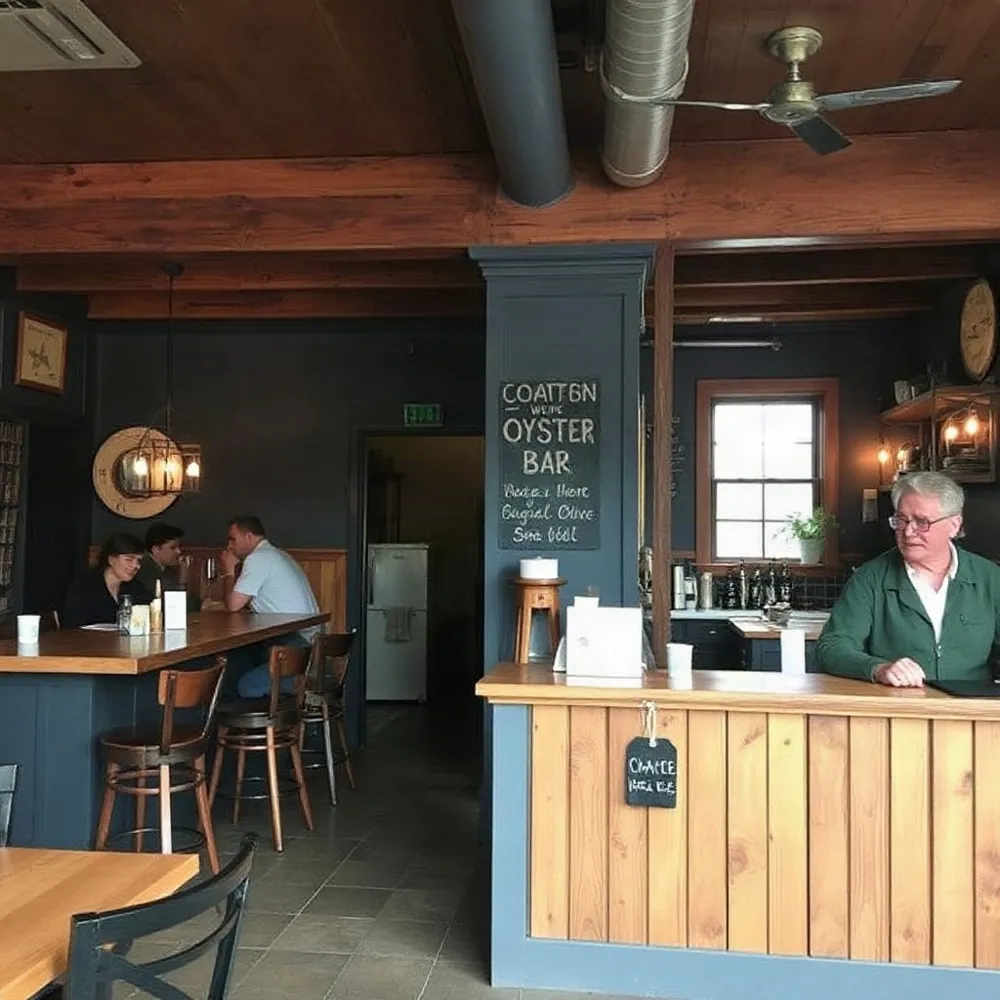
A franchise owner needs more than a menu and a brand name. Shuckin’ Shack provides training to help owners learn the concept and prepare to run their restaurant, along with marketing resources and ongoing operational assistance. That support is intended to help you bring a coastal, neighborhood-style oyster bar to your local community.
The hands-on guidance comes from people who have built and operated the business themselves. That experience can offer practical perspective on daily decisions, from delivering the Shuckin’ Shack guest experience to putting the brand’s coastal atmosphere into practice. It is guidance, not a promise of specific business results.
Franchise support varies from one system to another, so ask what the program includes before you commit. Franchise Business Review recommends asking franchisors about training and support, including how instruction is delivered and what help remains available after opening. Restaurant training can also extend beyond onboarding, with ongoing learning supporting staff as their roles develop (FSR Magazine).
When speaking with the Shuckin’ Shack franchise team, confirm the training schedule, curriculum, format, and any costs. Ask who should attend, how later hires are trained, and what ongoing operational assistance looks like once your restaurant is open. Clear answers will help you understand the practical support available as you build a place where neighbors can gather over seafood and a coastal-style welcome.
Preparing for Opening Day
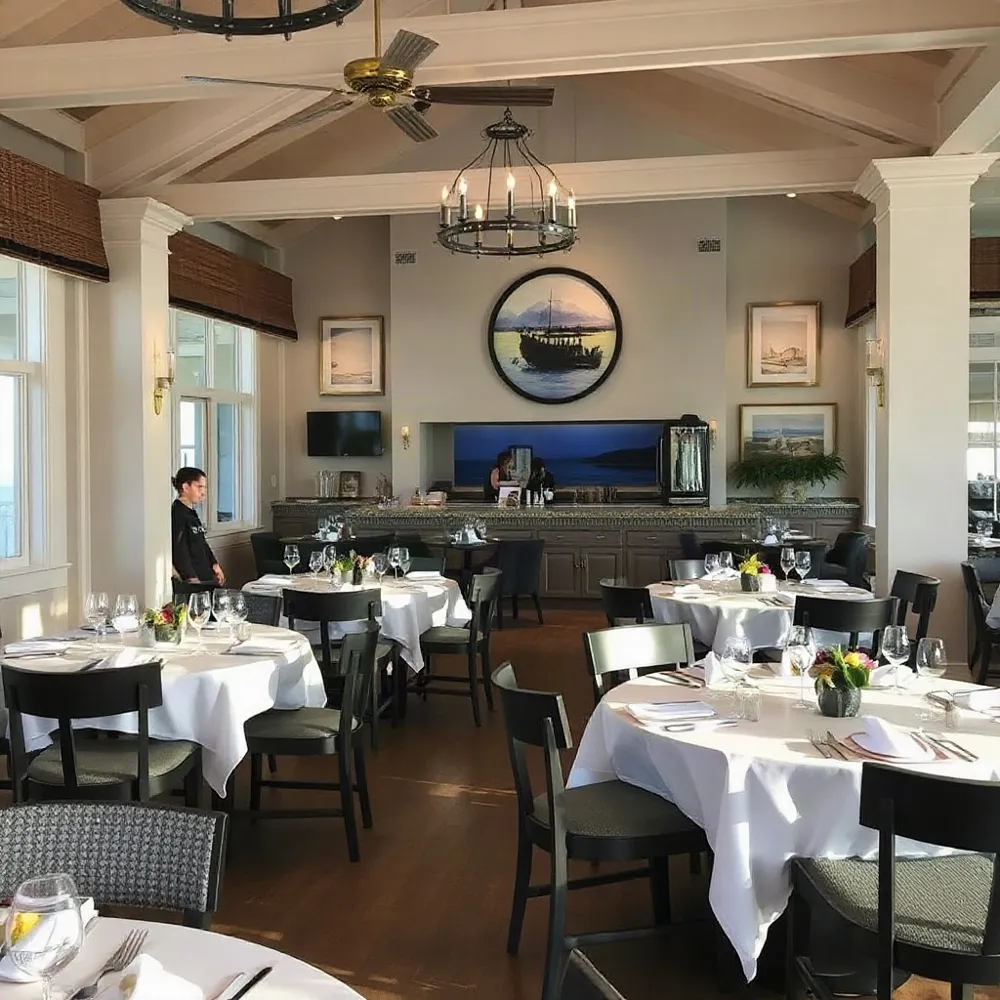
Opening a restaurant means turning a concept into a place where guests feel welcome from their first visit. Shuckin’ Shack franchise owners receive training and hands-on operational support from people who have built and run the business themselves. That guidance can help you prepare to bring its coastal, neighborhood-style seafood experience to your community.
The details matter, though, so ask the franchise team what training covers, where it takes place, and how much is hands-on. Confirm who needs to attend, including whether managers or early staff can join, and how training fits the planned opening timeline. Training and support differ across franchise systems, so clarify the specific format and scope rather than assuming every program works the same way. Franchise Business Review’s guide to franchisee training and support offers questions to raise during that conversation.
You might also ask whether a soft opening is part of the preparation plan. A smaller, practice-focused service can give a team a chance to work through guest interactions and restaurant routines before the public opening, but do not assume this is a confirmed Shuckin’ Shack offering. Ask whether it is available and who would help organize it.
Finally, pin down what assistance is available around opening day and what remains your responsibility as the owner, from coordinating your staff to making decisions during service. Clear answers help you plan with confidence and understand where hands-on guidance ends and your day-to-day leadership begins.
Look Beyond Training Length
A training calendar tells you how long a program runs, not whether it prepares you to own a restaurant. Franchise systems differ in format and scope, so evaluate the lessons, practice, and follow-up alongside the schedule. Franchise Business Review’s guide to franchisee training and support outlines questions prospective owners can ask about training and continued guidance.
For a seafood concept such as Shuckin’ Shack Oyster Bar, ask whether the curriculum covers both restaurant operations and the business work behind them. That means asking about hiring, bookkeeping, deposits, advertising, and how owners learn to follow brand standards, as well as food preparation and guest service. Its coastal neighborhood-bar concept depends on more than serving seafood: owners also need a clear picture of the work involved in running a local restaurant.
Get specific about where training takes place and how it is delivered. Ask whether instruction includes classroom, online, or hands-on time in an operating restaurant, who is expected to attend, and whether managers and initial staff can take part. Find out how the system helps train later hires, too, since your team may change after opening.
Review the operations manual and training materials before you commit, and ask who teaches the program and what experience or teaching preparation they bring. Then ask what coaching, updated resources, or other support remains available once the doors are open. Those answers help you judge whether guidance continues as your team and daily needs change.
Treat these as questions to put directly to Shuckin’ Shack representatives, not assumptions about its curriculum or training schedule. Understanding the specifics can help you decide whether the preparation and support fit your experience, your planned team, and the investment involved.
Build a Team Ready for Service

A welcoming restaurant depends on more than the owner’s preparation. Your team needs to understand its roles and the standards guests should experience, from the first greeting to the last order. For a Shuckin’ Shack owner, that means planning how employees will learn the menu and serve seafood with the relaxed hospitality that fits the coastal-style concept, then confirming which training the franchise team provides.
Ask how instruction addresses guest recommendations, professional service, and responding to concerns. Training plans should also cover food handling, cross-contamination prevention, hygiene, cleaning, emergency response, point-of-sale use, and payment procedures. The restaurant training guidance from FSR describes these as practical areas for ongoing staff learning, not just topics for new hires.
Front-of-house staff need practice with guest interactions and payment steps; back-of-house employees need instruction suited to food preparation and safe work. Shadowing, role-play, and supervised practice can help people prepare for actual service situations. Ask the franchisor what hands-on training is offered and what you will need to teach your own team. Training formats vary across franchise systems, so confirm the specific scope rather than assuming every program covers the same material, as Franchise Business Review explains.
Cross-training can help cover call-outs or staffing changes, but employees need time to practice another role before they are expected to step in. Plan for trainer and trainee hours, and schedule practice so it does not leave the team unprepared during service. Shuckin’ Shack owners should clarify how franchise support applies to employee training, without assuming a particular curriculum until the franchise team confirms it.
Keep Learning After the Doors Open
Opening-day training is a starting point, not a finish line. Menus, procedures, technology, and staffing needs can change, so ask how updates and follow-up training are delivered, who can attend, and whether there are extra costs. The Franchise Business Review guide to franchise training and support recommends asking what coaching and resources remain available after opening.
Ongoing instruction can be practical and brief: a pre-shift refresher on a menu change, role-play for a guest concern, or hands-on practice with an updated process. Peer-led instruction can also give experienced team members a chance to share what works and help colleagues feel comfortable asking questions. These are general options, not a statement of the Shuckin’ Shack franchise program. Restaurant training guidance also describes continued learning as a way to reinforce service, safety, and job skills (FSR Magazine).
When speaking with the franchise team, ask how support changes as your restaurant moves from opening into steady operations. Clarify what the franchisor provides, what you are responsible for as the owner, and how training can include managers and new hires. That conversation can help you judge whether the support fits the day-to-day work of building a welcoming coastal seafood spot in your community.
Ask What Support Looks Like in Practice
A coastal seafood concept can feel at home in a new community, but training details matter as much as the idea. Shuckin’ Shack describes hands-on support from operators who have built the business themselves; ask what that means in practice, rather than assuming a particular schedule or curriculum.
Before you commit, get clear answers to these questions:
- What topics does training cover?
- Who must attend?
- How are later hires trained?
- What guidance continues after opening?
- Are there added training costs?