Start With the Ownership Fit
Choosing a restaurant franchise starts with your fit as an owner, not a claim that one category is automatically easier or more profitable. Consider the capital you can commit, the work you enjoy, the hours you can give, and whether your goal is one well-run location or future growth.
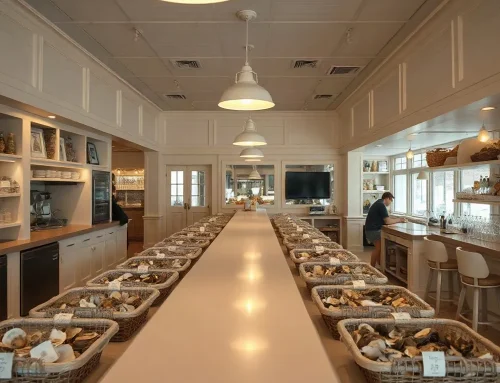
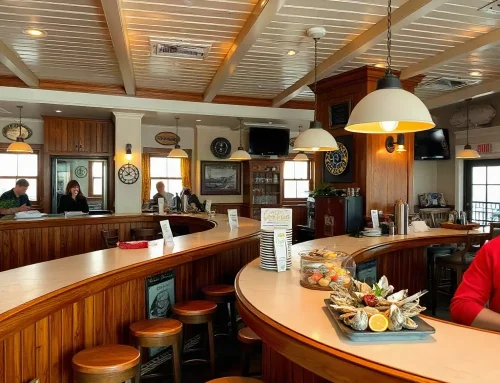
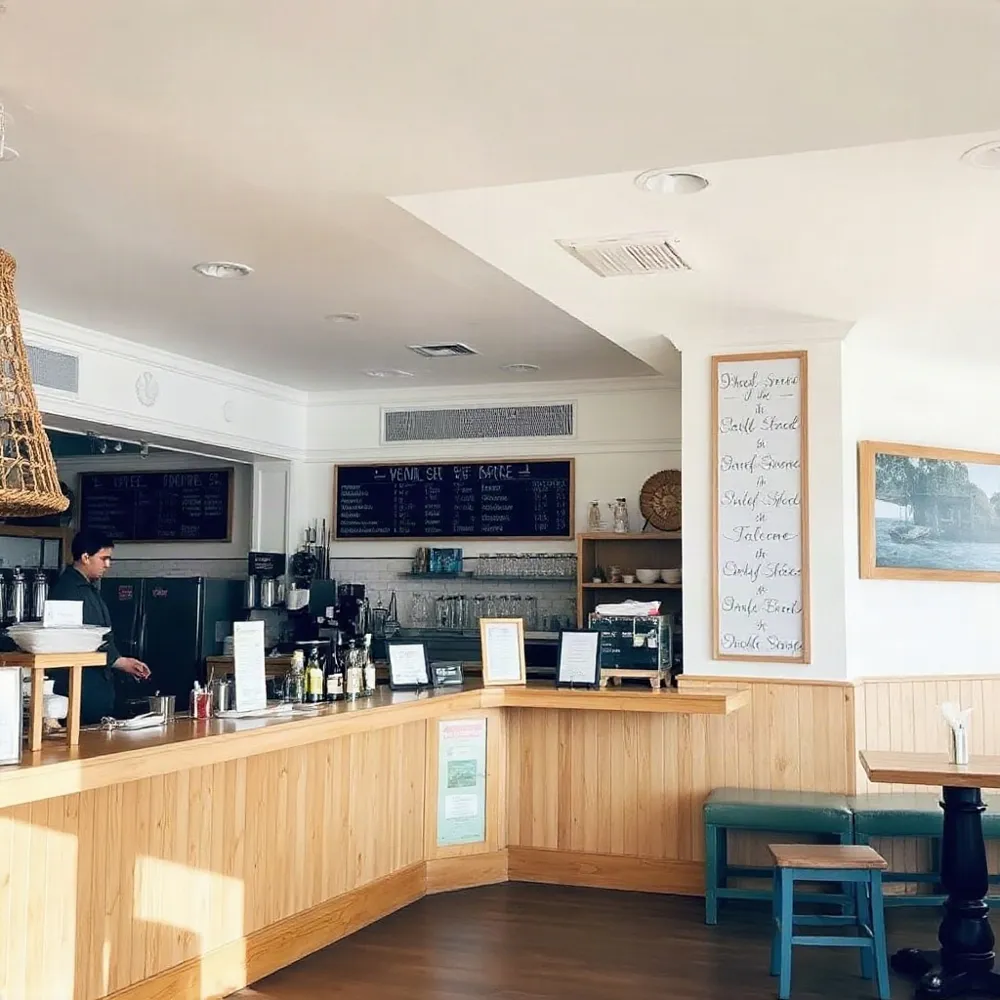
Shuckin’ Shack Oyster Bar offers a casual, East Coast-inspired oyster-bar experience built around a coastal vacation feel and a neighborhood gathering place. Its full-service seafood model differs from the broader fast-casual format, where menus, service rhythms, and guest expectations may be quite different. The right comparison is about the actual concept, not the category label.
Look beyond the guest experience to startup costs, staffing and inventory demands, local customer interest, and the support available as you open. Shuckin’ Shack’s stated total investment range is $500,000 to $1.5 million; review the current Shuckin’ Shack investment details alongside the Franchise Disclosure Document (FDD), which lays out fees, obligations, and support information. The FTC franchise buying guide recommends weighing those details against your resources, skills, and goals.
What the Coastal Concept Offers
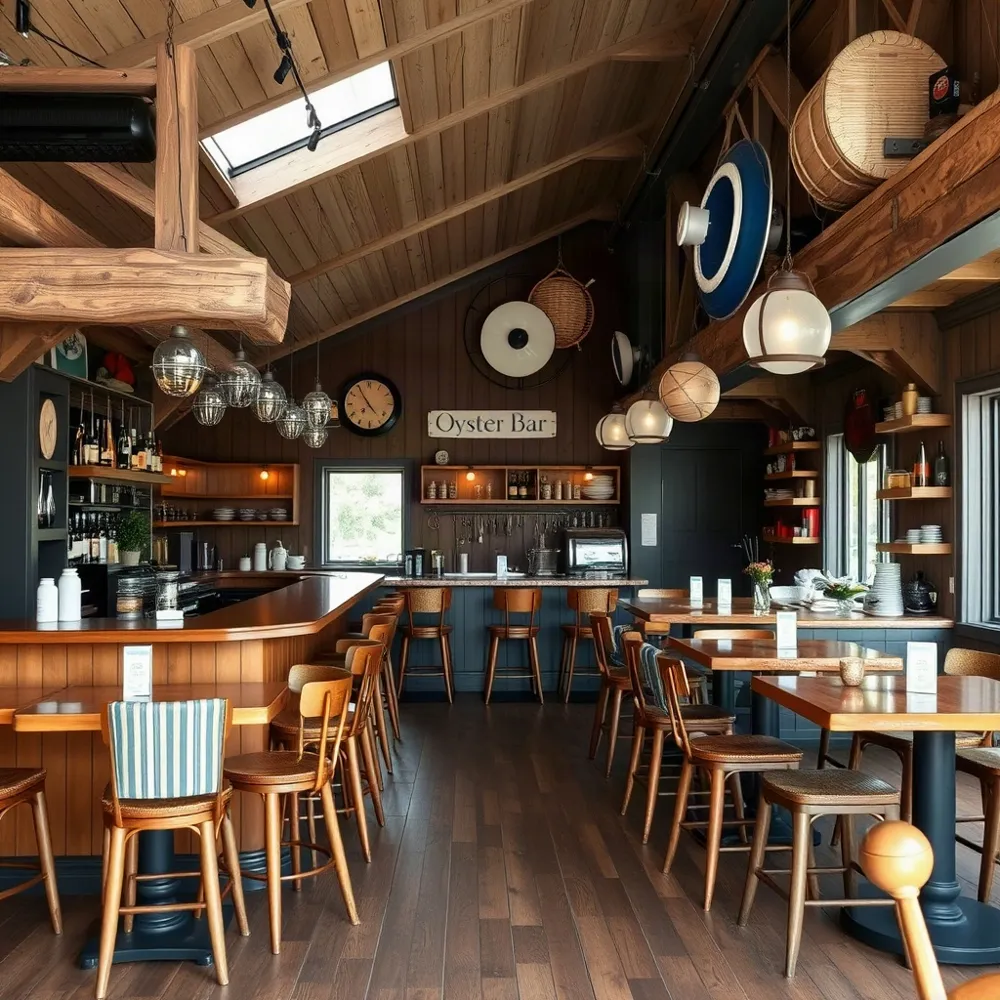
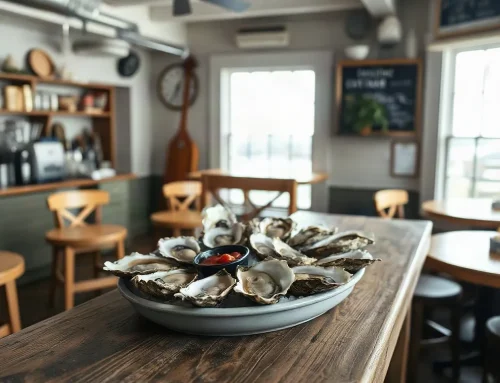
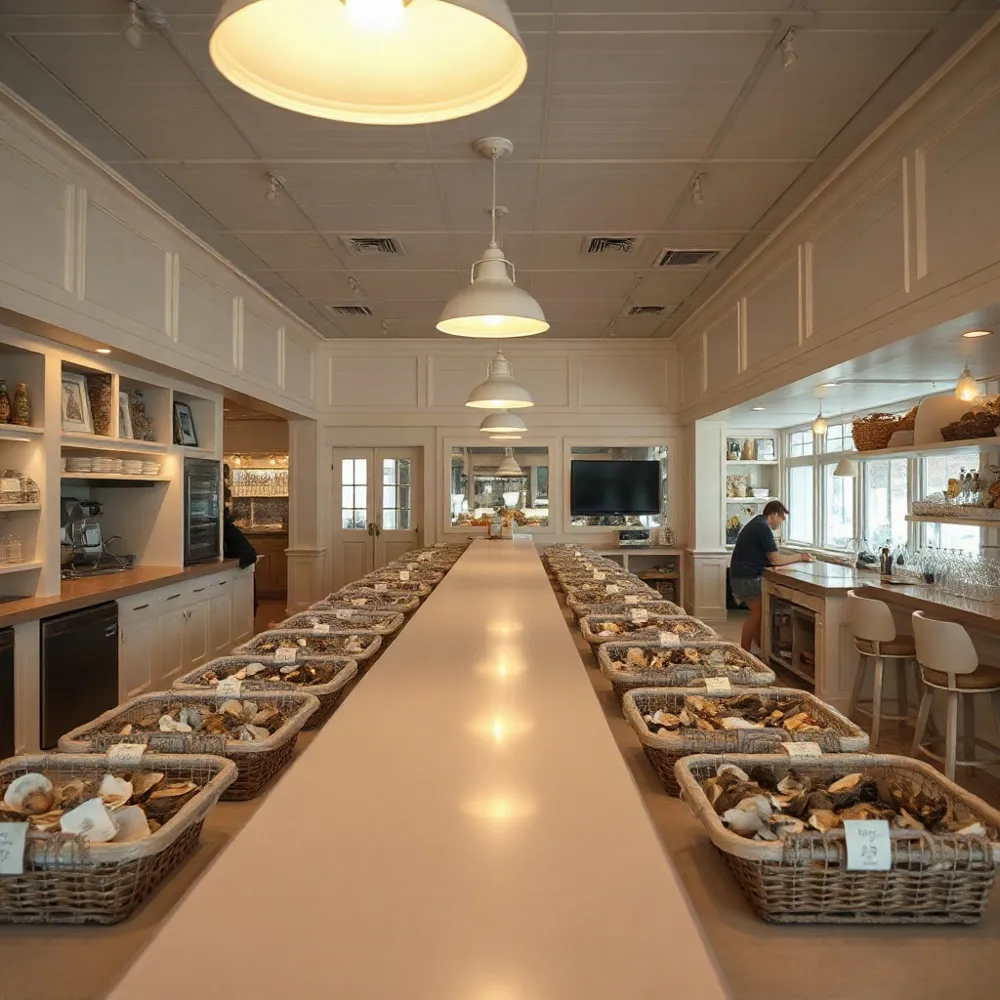
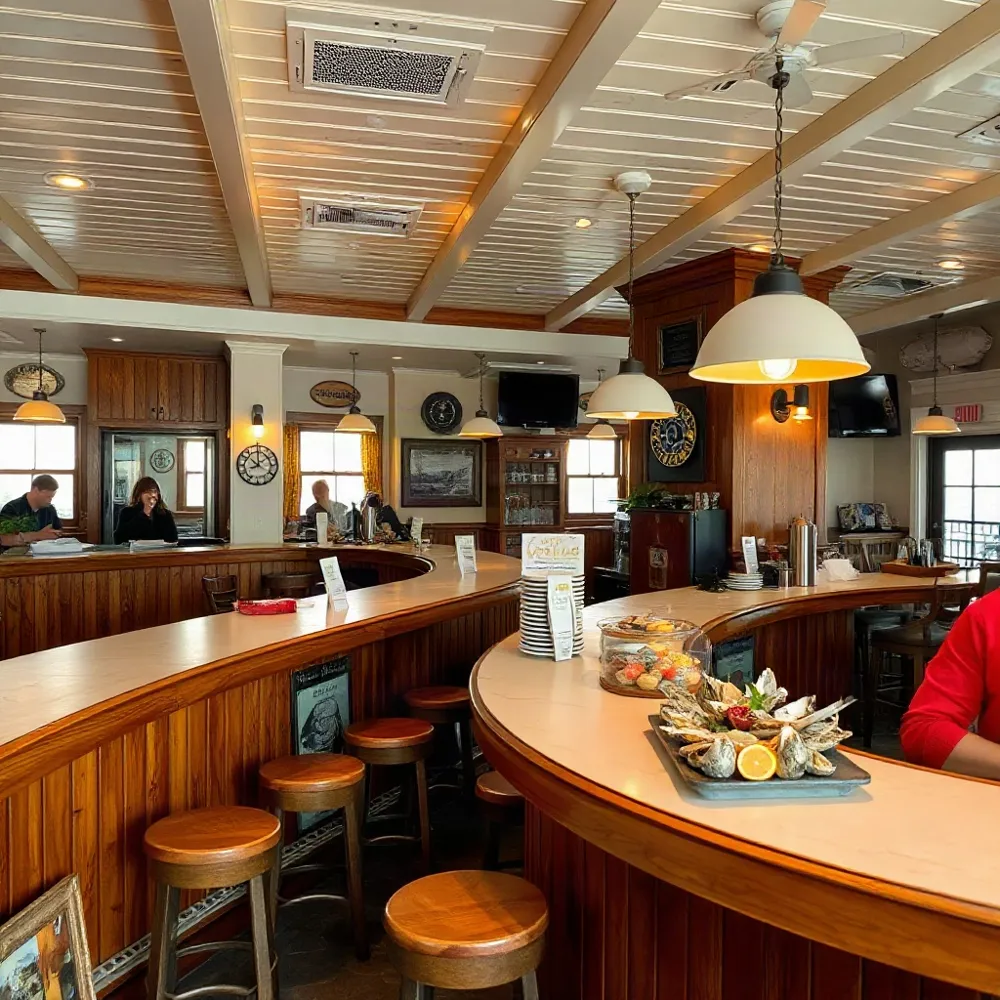
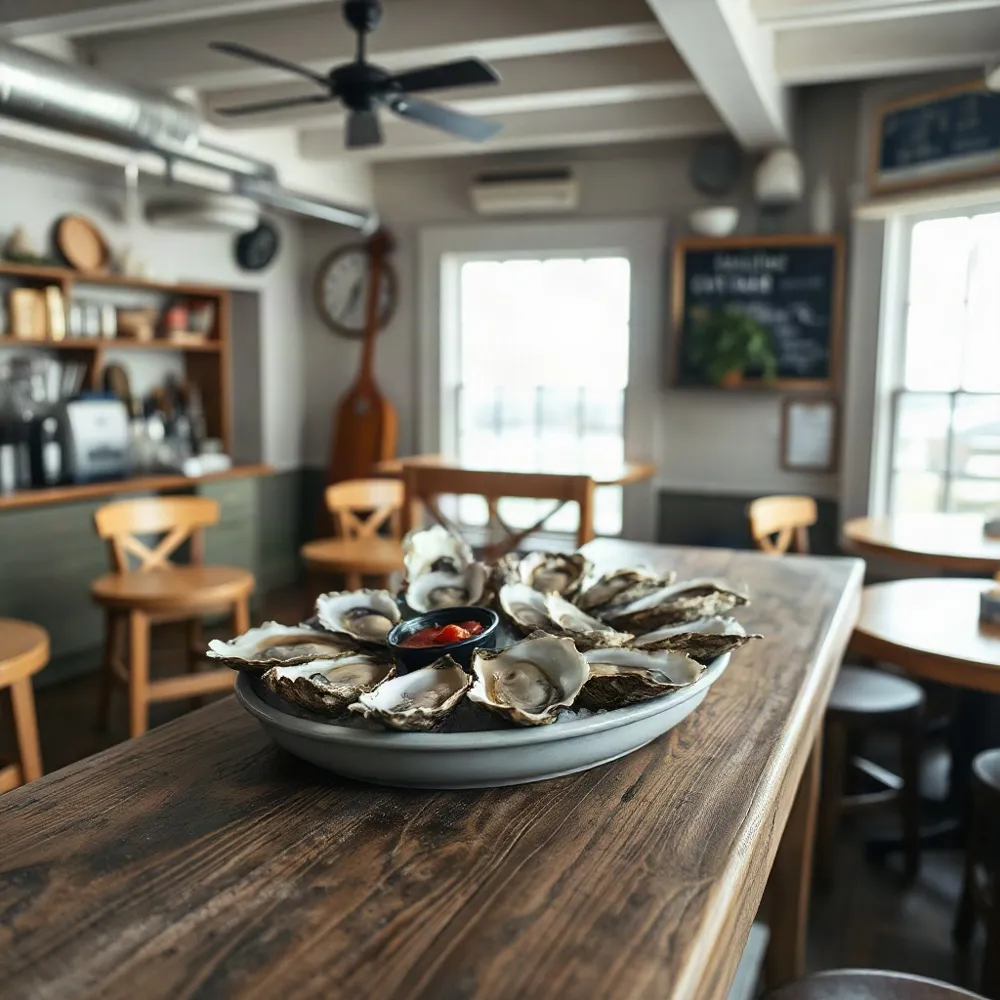
Shuckin’ Shack pairs seafood with a laid-back oyster-bar atmosphere and a coastal vacation feel. Unlike a quick-service format built around a fast handoff, the concept invites guests to sit down, share a meal and spend time together in a welcoming neighborhood gathering place.
The menu can include oysters, seafood tacos, fried oysters, crab cakes and fresh salads, giving the experience more range than a single signature dish. Menus may vary by location, so prospective owners should review the current offering and ask how much room there is to reflect local tastes.
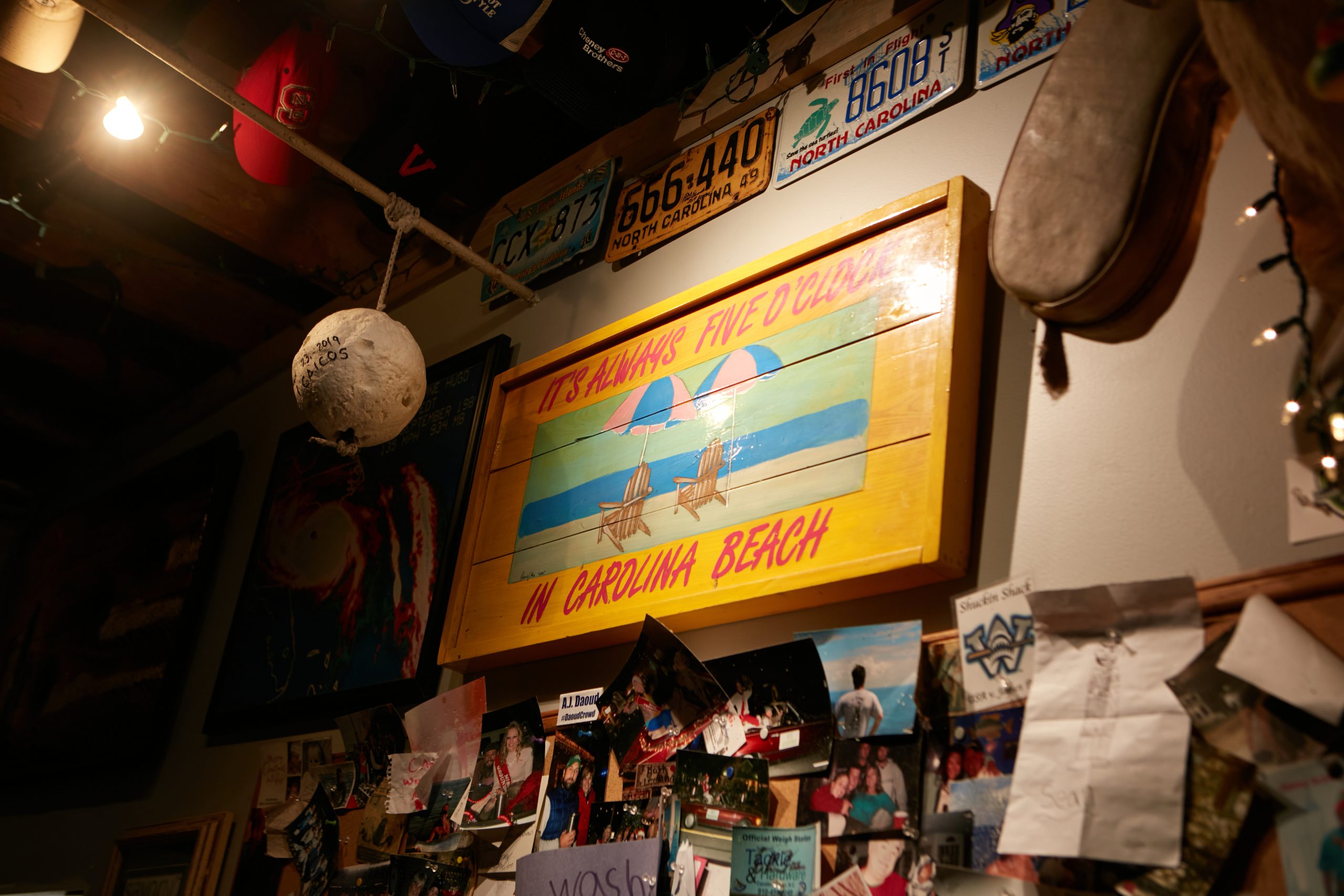
The East Coast-inspired setting is designed to feel at home even in communities far from the shore. A coastal atmosphere can give guests a sense of escape, while local relationships, familiar faces and community involvement help each restaurant feel rooted in its own market.
For an owner, joining an established concept means there is a brand and menu to build on rather than a restaurant identity to create from scratch. Shuckin’ Shack also provides training and ongoing operational support to help franchisees bring its food and neighborhood-focused hospitality to their communities. The niche may be distinctive, but that alone does not prove a market has little competition; local demand and nearby alternatives still deserve careful research.
Compare the Investment Beyond Opening
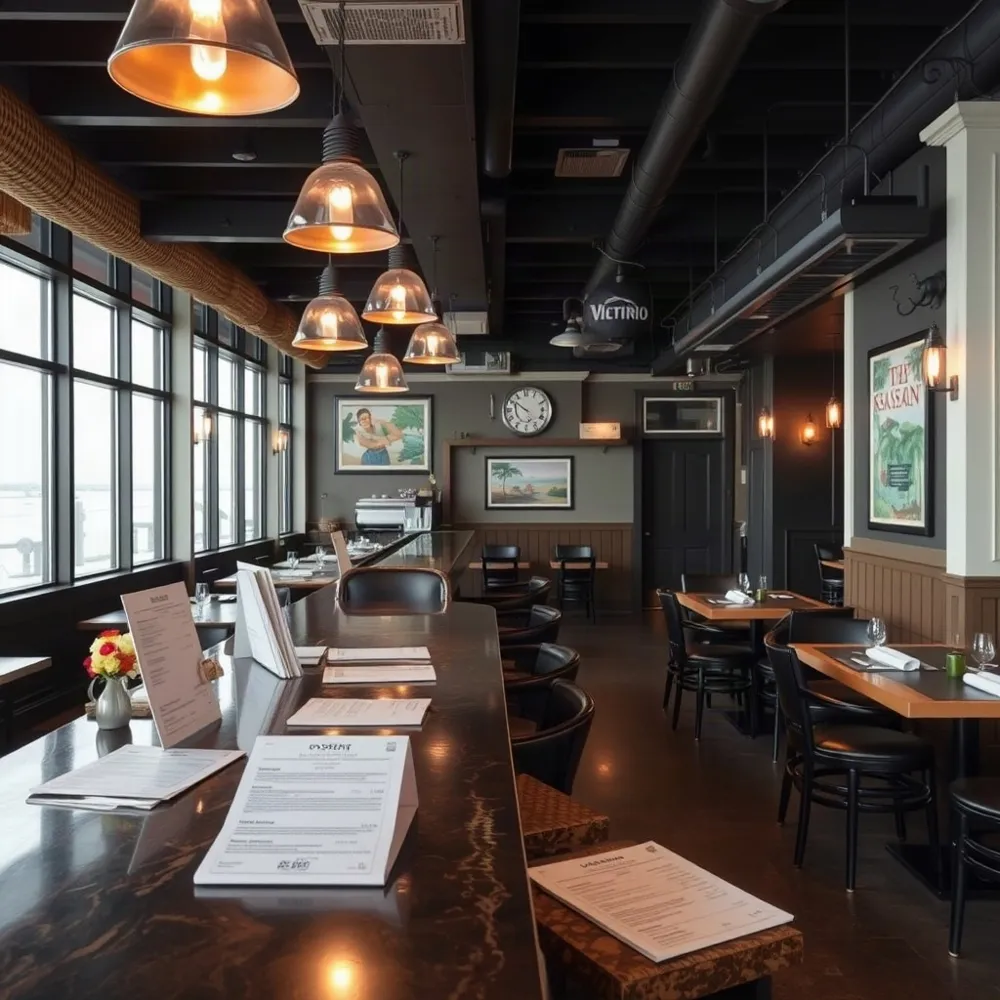
The estimated total investment for a Shuckin’ Shack is $500,000 to $1.5 million. Treat this figure as an estimate, not a definitive price. Check the current investment information and ask the franchise team for the latest itemized figures.
The actual cost depends in part on the site and build-out. Restaurant budgets can include leasehold improvements, equipment, opening inventory, licenses, insurance, and opening promotions, along with working capital. Do not assume a general estimate identifies every required cost or applies to your location. The FTC’s franchise buying guide recommends reviewing the Franchise Disclosure Document, especially its cost disclosures, and asking questions about items you do not understand.
A $100,000 budget is below the supplied $500,000 to $1.5 million range, so it may not be enough on its own to open a location. Ask the franchise team about current financial requirements and what the estimate includes. You can also discuss whether your available capital could form part of a wider funding plan that includes financing.
Plan beyond the opening-day bill. Include first-year operating expenses, personal living costs, and a reserve for a slow opening or gradual move toward break-even. Opening can take months, and some franchises never break even, so avoid relying on an optimistic sales forecast. Compare the current FDD figures with your site plans and funding before deciding.
Understand the Work Behind the Menu
A seafood restaurant’s daily work reaches well beyond preparing dishes. You may need to coordinate frontline staff, cover shifts, monitor inventory, maintain food safety, and keep quality consistent during busy service. These demands are not unique to seafood, and fast-casual formats bring their own staffing and service pressures.
Seafood’s perishable inventory makes ordering, storage, and waste control especially worth discussing. Labor schedules, food costs, and occupancy costs also shape a restaurant’s finances. A busy dining room or recognizable brand does not, by itself, guarantee healthy unit economics. For Shuckin’ Shack, ask how its training and operating support help franchisees manage a casual oyster-bar menu and maintain a consistent guest experience.
Get specific about the owner’s daily role before you commit. Ask what the franchisee is expected to handle, whether a manager is required, how many staffing layers are typical, and what hours the location is expected to keep. Evening and weekend demand may affect schedules, but the owner’s involvement varies by system. The FTC’s franchise guide recommends examining training and ongoing support, including what franchisees say about the help they receive.
Quality control also depends on the system’s practical guidance: ask how new staff are trained, how food-handling standards are reinforced, and what help is available when service or staffing problems arise. Check local food-service requirements in your intended market as well. Rules may draw on the FDA Food Code, but applicable requirements depend on local authorities.
Assess Support and Brand Obligations
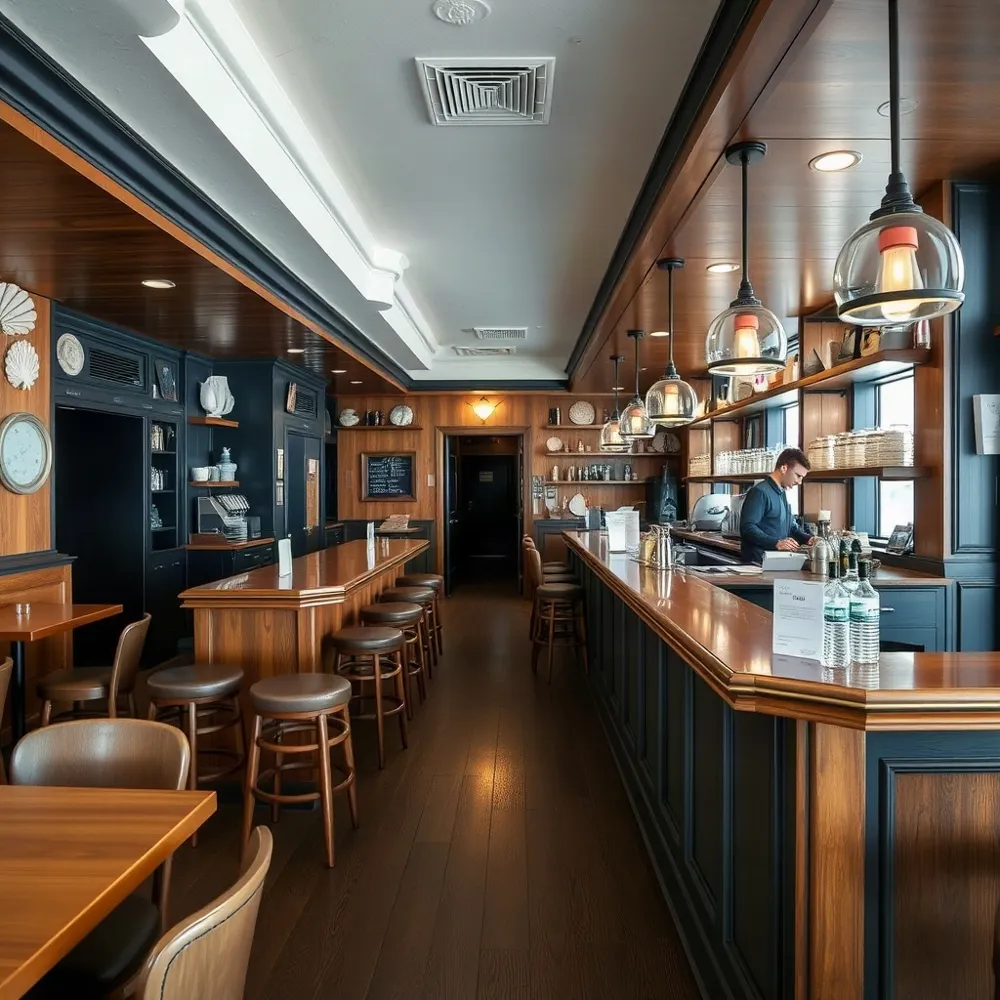
Shuckin’ Shack describes its support as hands-on guidance from people who have built and run the business themselves. Franchise owners receive training, marketing help, ongoing operational assistance, and a provided interior design and overall concept, rather than having to create the brand and guest experience from scratch. Shuckin’ Shack’s franchise overview outlines the support offered.
Training includes Shuckin’ Shack University. One franchisee described the program as instrumental to opening her restaurants, a useful account of her experience but not a promise that every owner will achieve the same results. Ask what the training covers, how long it lasts, who leads it, and what help is available when a problem comes up. Current and former franchisees can offer a grounded view of the support they received.
Support also comes with obligations. Franchise agreements may set rules for menus, suppliers, operating methods, hours, signage, uniforms, advertising, and sales territories. Ask which rules apply to this specific system, how they affect costs, and where you can make local decisions. The FTC recommends reviewing FDD Item 11, which covers advertising programs and initial and ongoing training.
Before committing, ask whether support includes ongoing instruction, troubleshooting, or on-site help, and how the franchisor’s team can support its growing network. Assistance can make the learning curve more manageable, but it does not guarantee success. Read the agreement closely and speak with franchisees about what support looks like after opening.
Test the Market and Growth Plan
A coastal-style seafood concept can feel distinctive in a neighborhood, but local research should test whether people will actually make it part of their routine. For Shuckin’ Shack, the neighborhood oyster-bar atmosphere is intended to welcome locals as regulars and visitors as guests. Check whether seafood demand is steady or seasonal, which dishes and price points fit local tastes, and whether residents already know the products or would need an introduction.
Map competition at the national, regional, and local levels, including nearby franchised and company-owned restaurants and independent spots serving similar food at similar prices. Do not assume a seafood niche is underserved until you have checked the local choices and spoken with people who live or work nearby. The FTC’s franchise buying guide recommends assessing both customer demand and competing businesses before committing.
A promising menu still needs a workable site. Compare traffic, visibility, access, and occupancy costs with the customer patterns you expect, including evening and weekend visits. A busy road may offer exposure but also bring higher rent or difficult access, so weigh the location against your budget and preferred role as an owner.
If you hope to open more than one location, first test whether the operating routines can work without your constant presence. Consider staffing depth, manager readiness, and whether the first restaurant can run consistently before setting a timeline for another. The FTC cautions that franchise growth does not guarantee success; treat additional units as a possibility that depends on local results and your capacity to manage them.
Build a Cautious Financial Picture
Can you estimate how profitable a Shuckin’ Shack franchise will be? Not reliably from the information available here. The stated investment range and any royalty terms do not show what an owner will earn. Shuckin’ Shack’s seafood and oyster-bar concept may help define the guest experience, but it cannot replace a location-specific profit estimate.
Profit depends on sales and local conditions, along with rent, labor, food costs, waste, and operating decisions. Gross sales and brand recognition are not net profit: a busy restaurant can still lose money when expenses are high. Ask for the current Franchise Disclosure Document (FDD) and check Item 19 for any financial performance representations. The FTC’s franchise guide explains that franchisors are not required to provide earnings information. If Item 19 contains no such data, do not treat that as an earnings claim.
Build conservative projections using costs and sales assumptions suited to the proposed site, then compare them with franchisees’ actual experiences. Speak with newer owners, longer-established operators, and former franchisees where possible. Ask what they invested, how long opening took, what support they received, when they broke even, and whether they are satisfied. The FTC recommends reviewing franchisee information and asking owners about these practical details.
Review FDD Items 5-7 for fees and cost estimates, Item 20 for outlet and franchisee information, and Item 21 for the franchisor’s audited financial statements. The FTC says you must receive the FDD at least 14 days before signing or paying the franchisor or an affiliate. Read all 23 items and request clarification where needed. Bring a franchise-experienced lawyer and an accountant into the review, and consider financing early if you will need it.
Choose With Your Eyes Open
Before choosing a seafood or fast-casual franchise, weigh the capital you can commit, the work you want to do day to day, and the hours that fit your life. Then test local demand and decide whether your growth plan is realistic for your finances and management experience.
Shuckin’ Shack’s coastal atmosphere and neighborhood-focused experience offer specific features to investigate, as does its stated hands-on support. Treat these as parts of the business model to verify, not promises of profitability or substitutes for your own research.
Request current investment details from the franchise team, read the FTC’s guide to buying a franchise, and review the Franchise Disclosure Document before signing. Speak with current and former franchisees, then ask a franchise-experienced lawyer and accountant to assess the agreement and your financial plan.