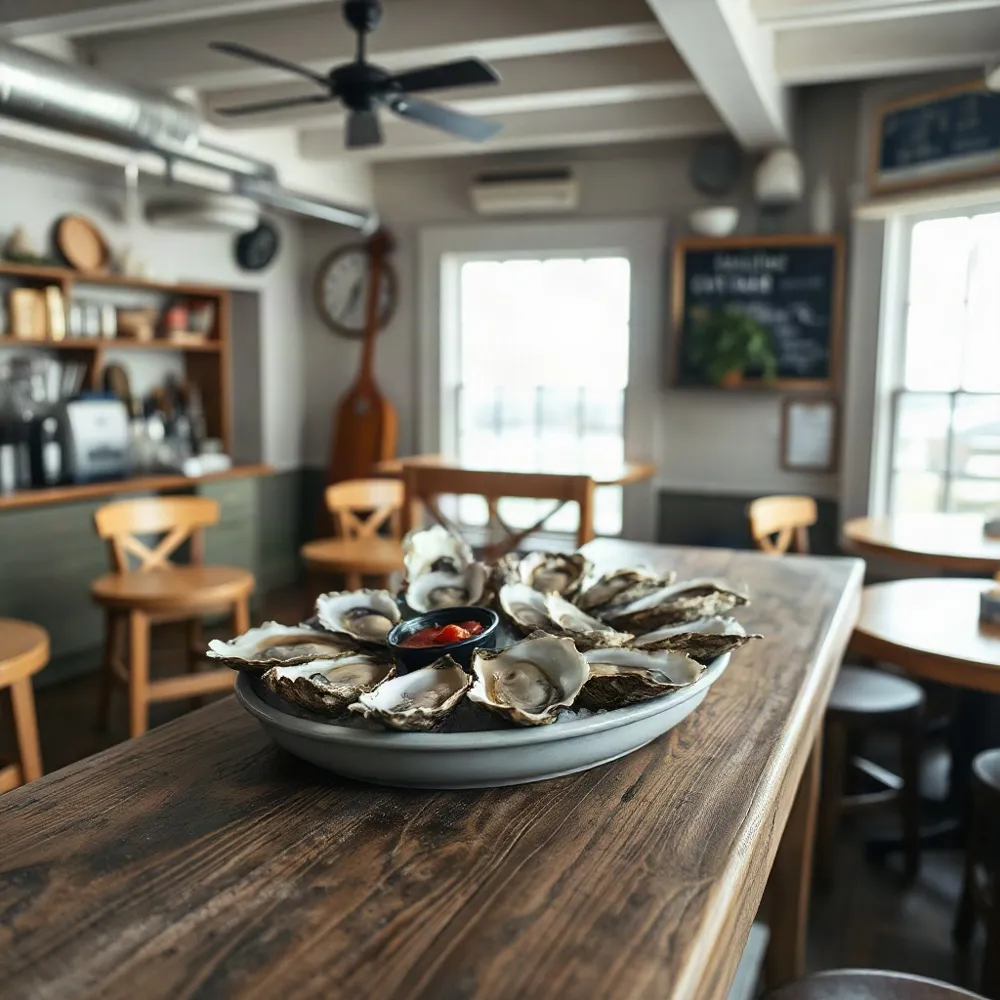
A Coastal Welcome Close To Home
A neighborhood oyster bar can be more than a place to order seafood. It can be where friends catch up, families settle in, and visitors find a friendly local spot worth returning to. For prospective owners, that sense of belonging starts with a clear idea: give guests a relaxed welcome and a reason to make the restaurant part of their routine.
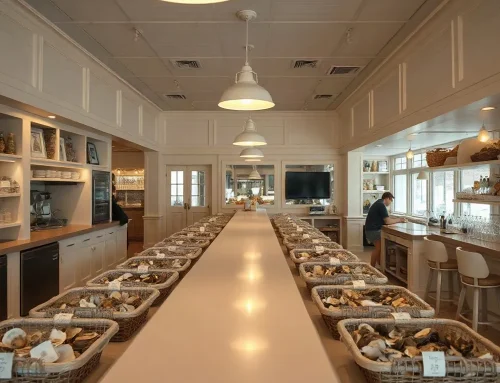
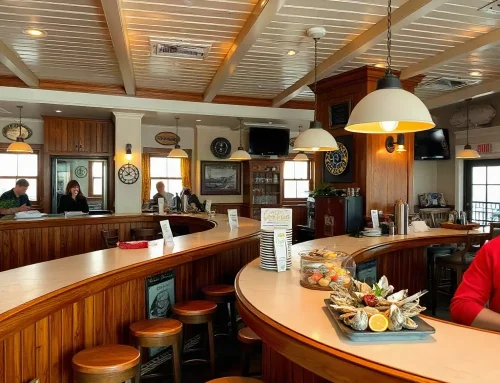
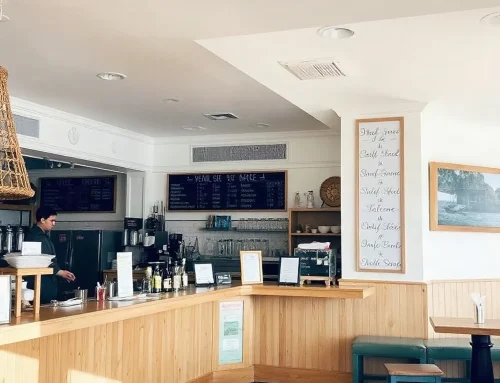
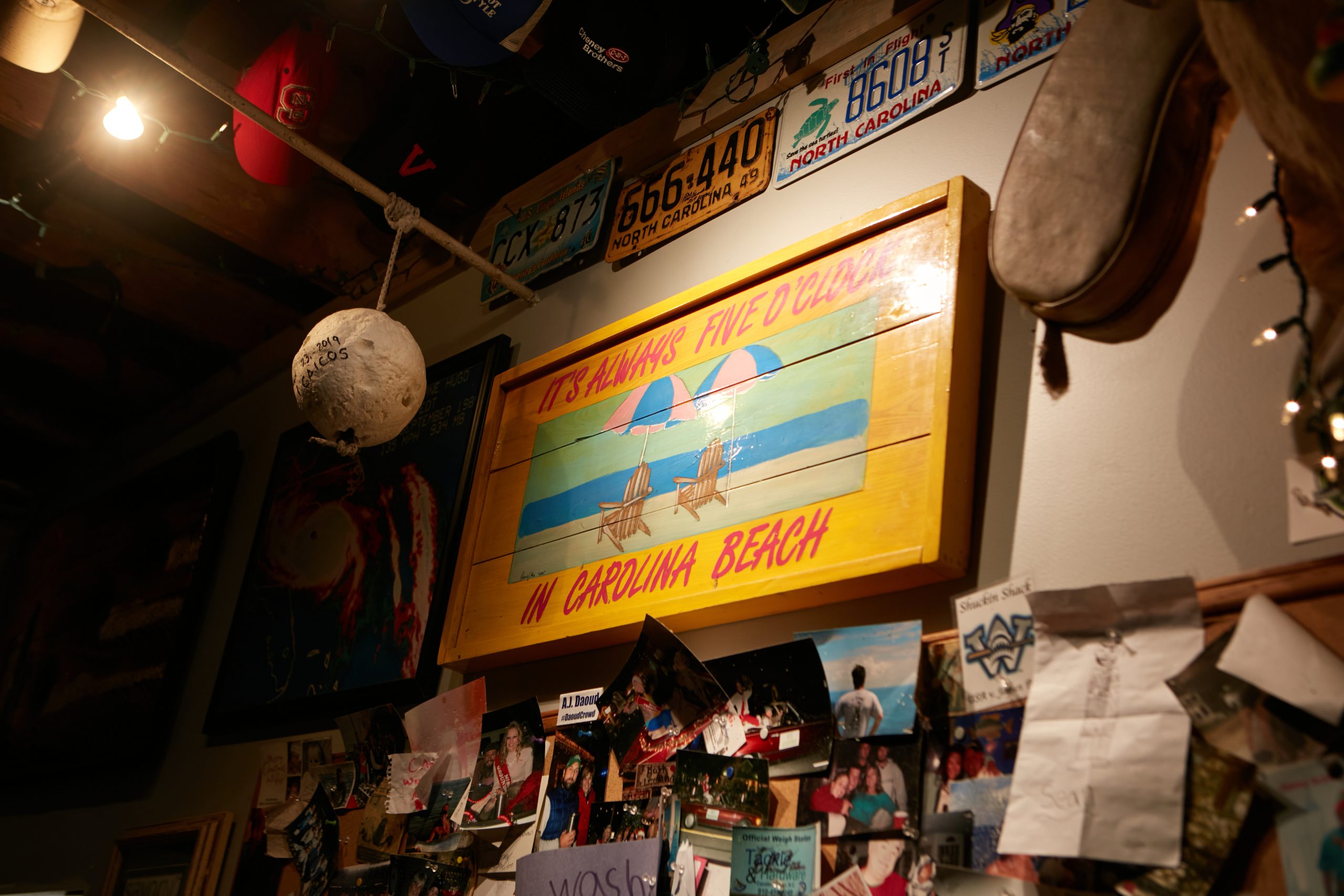
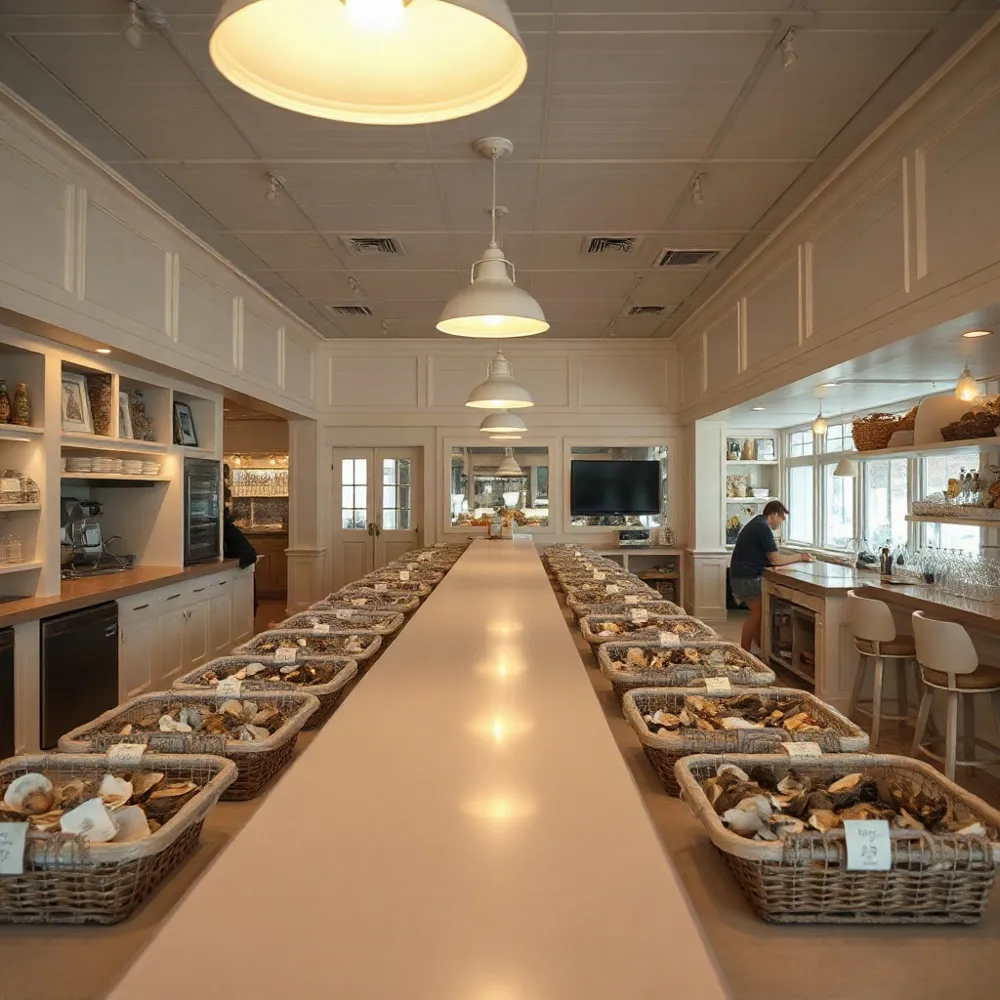
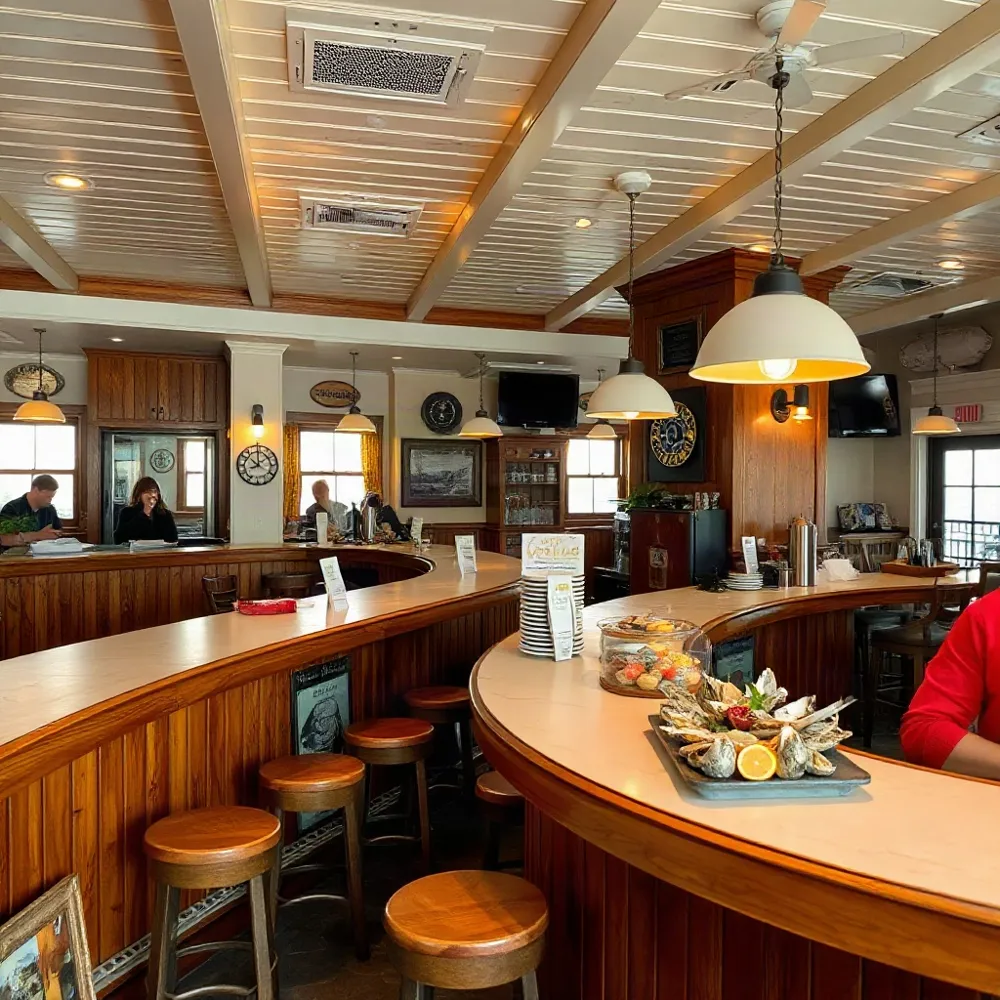
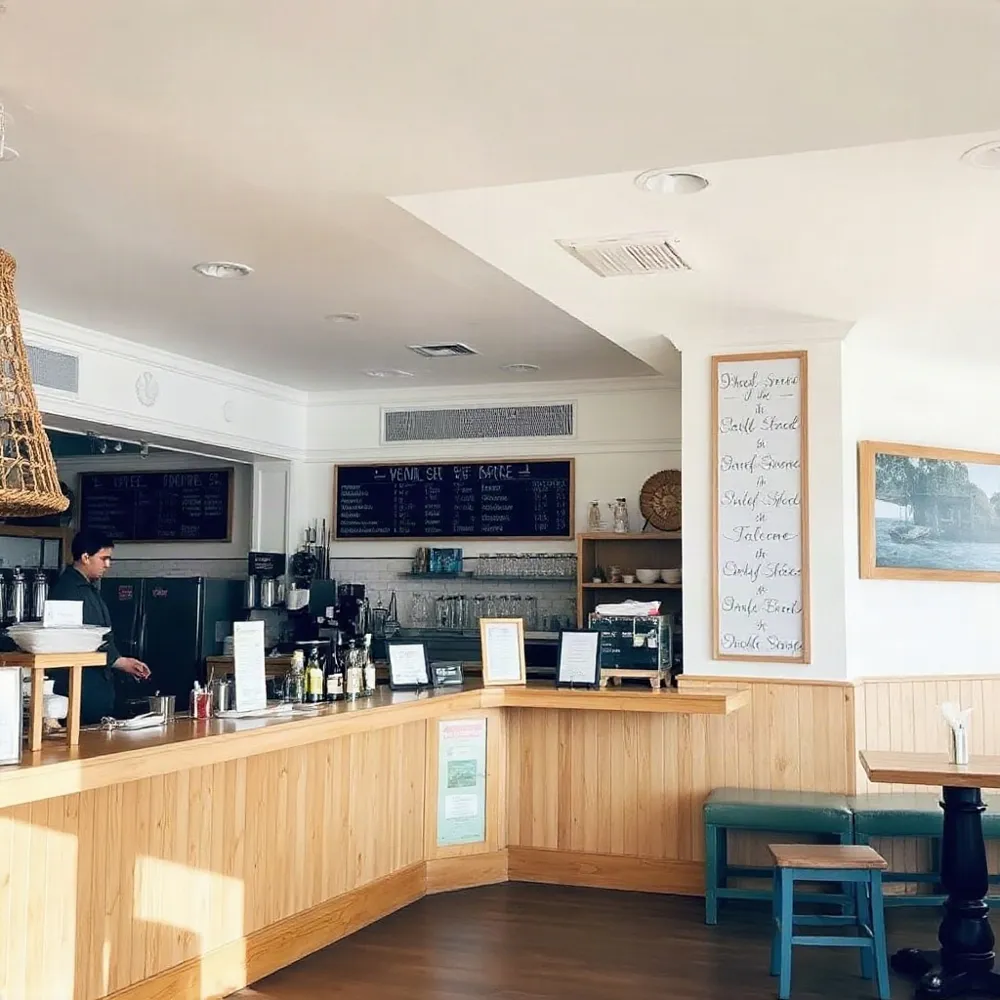
Shuckin’ Shack brings a coastal-vacation feel together with the spirit of a neighborhood bar, a concept designed to carry an East Coast seafood experience into markets far from the shore. Consistent hospitality, approachable oyster guidance, and genuine ties to local people can help each location earn regulars. The aim is simple: make a visit feel easy, familiar, and enjoyable enough to repeat.
Make Oyster Dining Feel Easy
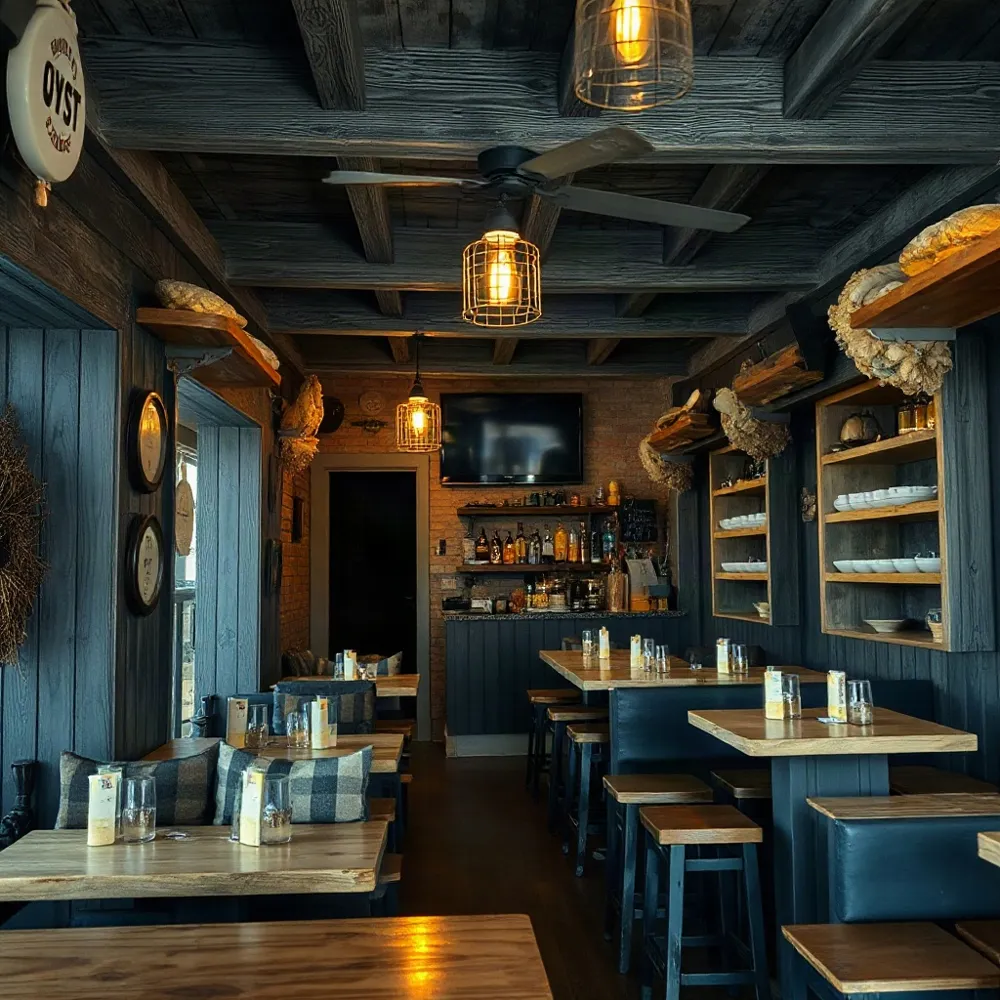
A relaxed coastal feel can make an oyster bar inviting without making it feel like a special-occasion-only destination. Shuckin’ Shack pairs that vacation-inspired character with a neighborhood welcome, bringing oysters and seafood-forward small plates together with familiar bar snacks, cocktails and beer.
That range gives guests room to choose their own kind of evening: a casual meal, a get-together with friends or a date that calls for good food without the formality of a specialty seafood restaurant. For a prospective owner, the mix also helps frame the restaurant as a place people can return to for different occasions, not just a once-in-a-while treat.
The welcome matters as much as the menu. Genuine conversation and attentive, personal hospitality can help first-time guests feel comfortable without turning service into a script. Staff can invite questions about oyster varieties, origins and sizes, then describe flavors in everyday terms such as briny or sweet. NOAA notes that growing conditions shape oyster flavor, so oysters from different regions can offer guests a natural point of comparison and conversation (NOAA’s oyster guide).
A gentle suggestion can make a first taste less intimidating: try an oyster plain, then add lemon, cocktail sauce, horseradish, mignonette or hot sauce. There is no single right way to enjoy one, and guests can settle on the flavors they prefer. Clear sourcing information, an inviting bar setting and visible shucking can also bring the oyster selection into the experience, as examples in Bon Appétit’s oyster-bar feature illustrate.
Build Roots Beyond The Dining Room
A local oyster bar can become a gathering place when its activities reflect what neighbors actually care about. For franchise owners, that means listening before planning: a school fundraiser, a neighborhood cleanup or a casual music night may feel more relevant than a promotion that could run anywhere.
Shuckin’ Shack gives each restaurant room to reflect local character and welcome residents as well as visitors. Franchisees can build ties with nonprofits, community groups and local events, while the brand-wide Fresh & Raw Tour brings communities together through live music, seafood and fundraising. Marketing and operational support can help owners establish their local presence, while the relationships themselves grow through showing up and following through.
There are practical ways to start. Restaurants might partner with nearby businesses, host a community night that supports a local organization, or take part in a charity event. These are options, not promised programs, and the best fit depends on the neighborhood. Escoffier’s guide to restaurant community involvement also recommends choosing activities that connect with local needs and a restaurant’s values.
Ask customers and community partners what would be useful or enjoyable, then make it easy for them to share feedback. When talking about a fundraiser or partnership, keep attention on the cause and the people involved rather than making the restaurant the centerpiece. That approach helps community work feel genuine.
A recurring event gives people a reason to return, while attentive follow-up helps a first-time guest feel recognized on a later visit. Neither guarantees loyalty, but both create chances for occasional diners to become familiar faces. For a neighborhood-minded concept like Shuckin’ Shack, those everyday connections are part of making each restaurant feel at home in its community.
Know The Support Behind Opening
Opening a restaurant still takes your time, judgment and steady attention. The practical advantage of a franchise is having experienced people to consult as you work through unfamiliar steps, from early planning to the first days of service.
Shuckin’ Shack describes support across real estate, licensing, construction, brand standards and opening preparation. That guidance gives prospective owners a place to turn with questions as they coordinate a site, work through requirements and prepare the restaurant, while leaving the operating decisions and responsibilities in their hands.
Training takes place through Shuck U, a two-week program in Wilmington. Owners learn in the classroom, practice recipes and gain hands-on experience in a working restaurant. The aim is to connect plans and procedures with the pace of actual service.
Instruction covers seafood handling and food safety alongside cost control, profit-and-loss statements and team management. Separate learning tracks for owners, managers and employees help each person focus on the responsibilities they will carry in the restaurant.
As opening approaches, experienced restaurant staff and members of the leadership team assist with orientation, team training and the soft opening. That on-site presence can help the crew prepare for service and identify issues before the doors open fully.
After launch, the operations team remains available for coaching, troubleshooting and additional training when needs arise. For a concept built around a neighborhood seafood bar with a coastal feel, that access to people who understand the operation can make it easier to address day-to-day questions. Support is a resource, not a substitute for the owner’s work, sound decisions or the risks that come with running a restaurant.
Plan For The Real Investment
How much does it cost to open a Shuckin’ Shack franchise? The estimated total initial investment ranges from $500,000 to $1.5 million. The 2026 Franchise Disclosure Document lists a $45,000 initial franchise fee, alongside costs for construction, equipment, lease deposits, opening expenses, and working capital.
Construction and leasehold improvements can account for substantial variation because the final scope depends on the site and its build-out. A space that needs extensive work will call for a different budget than one already suited to restaurant use. Equipment needs and lease terms also vary by location, so the range is a planning estimate, not a guaranteed final price.
The estimate includes $60,000 to $120,000 in additional funds for the first three months. That reserve helps account for early operating needs as the restaurant opens and begins serving guests. Review the latest Franchise Disclosure Document and confirm current figures, site assumptions, and location-specific costs directly with Shuckin’ Shack.
Careful due diligence means weighing the numbers against the work of creating a coastal-style neighborhood gathering place. A realistic budget gives you a clearer basis for deciding whether the site, build-out, and ongoing operating needs fit your plans.
Becoming a Local Favorite Takes Consistency
A neighborhood favorite grows from small, dependable moments: a coastal atmosphere that feels welcoming, oyster guidance that puts newcomers at ease, and hospitality that makes regulars feel recognized. Community ties give guests another reason to return and bring someone along.
For prospective franchise owners, the decision is about more than choosing a restaurant concept. Shuckin’ Shack pairs a portable coastal seafood experience with hands-on support from operators who have built the business themselves. Weigh that support alongside the investment details, then ask how you would make the concept feel at home in your community, from the welcome at the door to the relationships you build nearby.