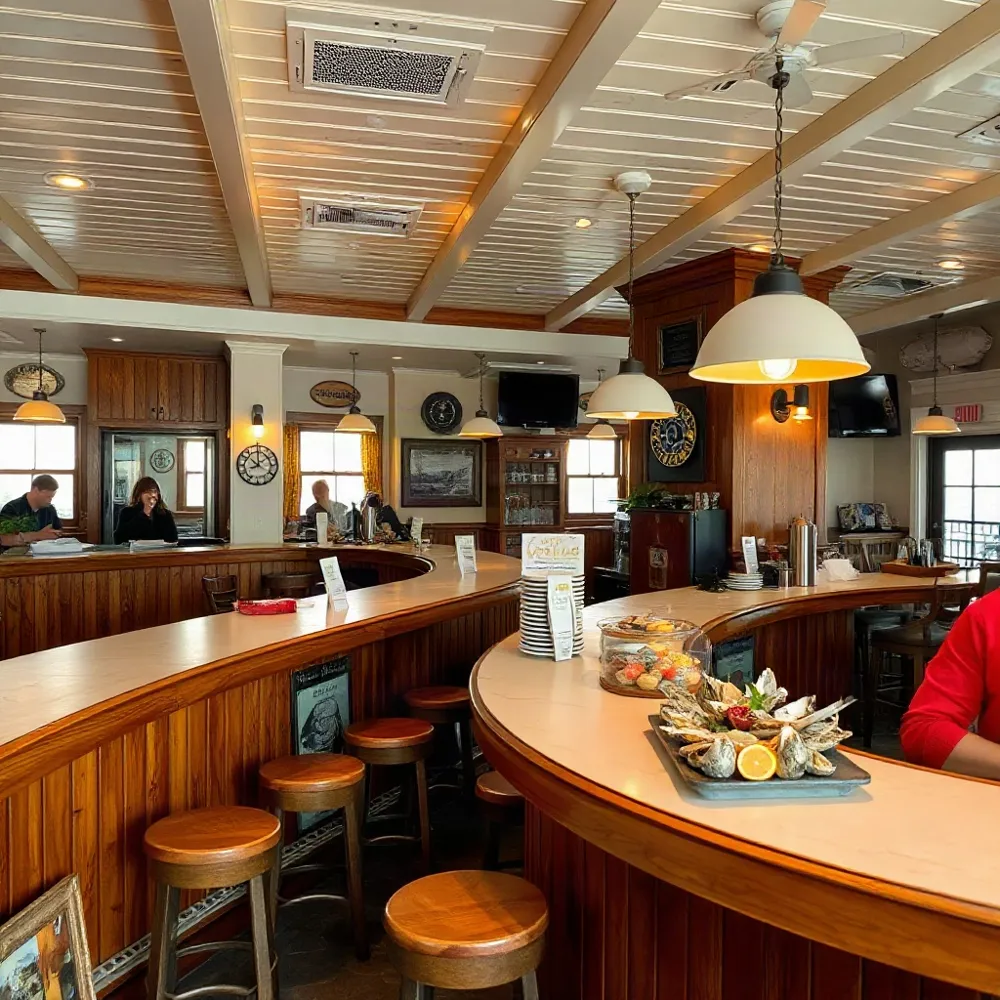
Start With the Whole Opportunity
A restaurant franchise is more than a name and a menu. Before investing, weigh the concept against local demand, the full financial commitment, the owner’s day-to-day role, and the terms of the agreement. For Shuckin’ Shack, that means asking whether a coastal-style seafood bar fits your community and what it would take to build a base of regular guests there.
The Federal Trade Commission’s franchise guide cautions that name recognition, training, and support do not guarantee success. Treat Shuckin’ Shack’s coastal concept and support offering as factors to investigate, not proof of future profitability.
Use this guide to identify questions to verify in the brand’s current Franchise Disclosure Document (FDD), franchise agreement, and conversations with current and former franchisees. Those sources can help you understand the costs, obligations, and experiences behind the opportunity before deciding whether it suits your goals.
Understand the Coastal Bar Concept
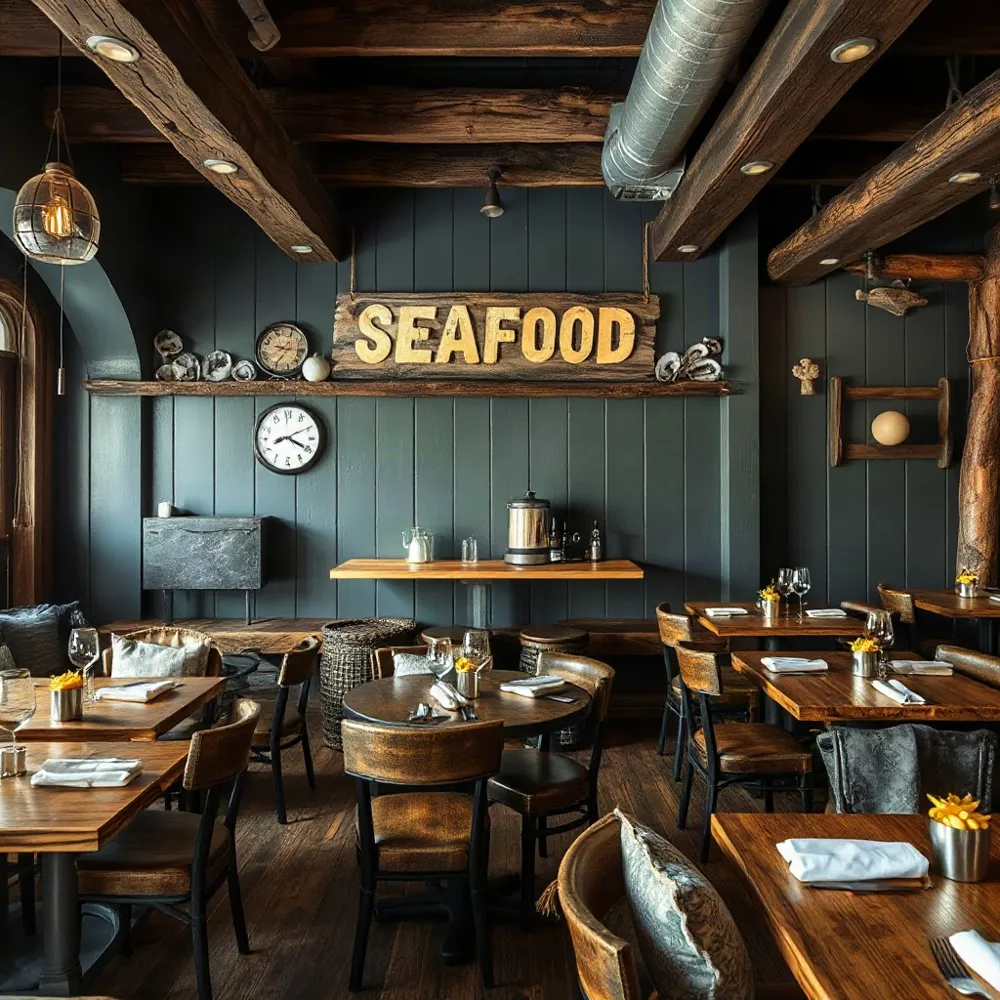
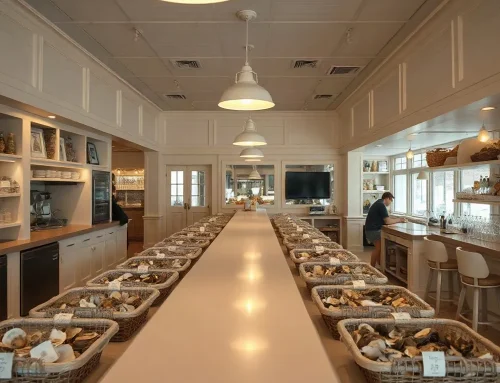
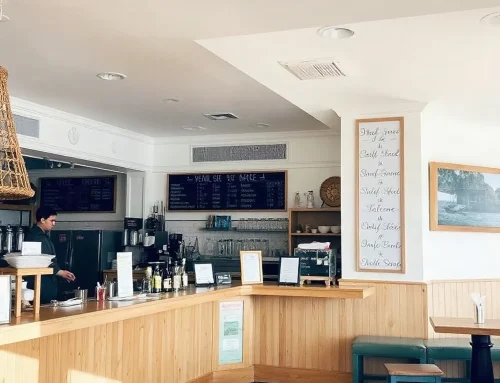
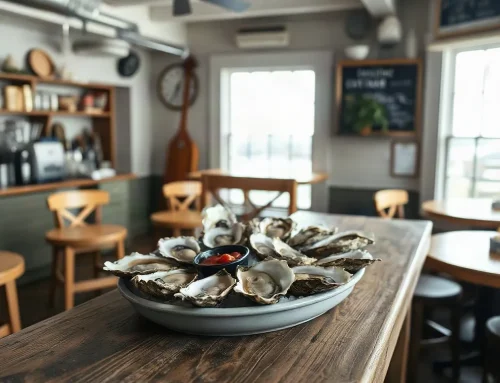
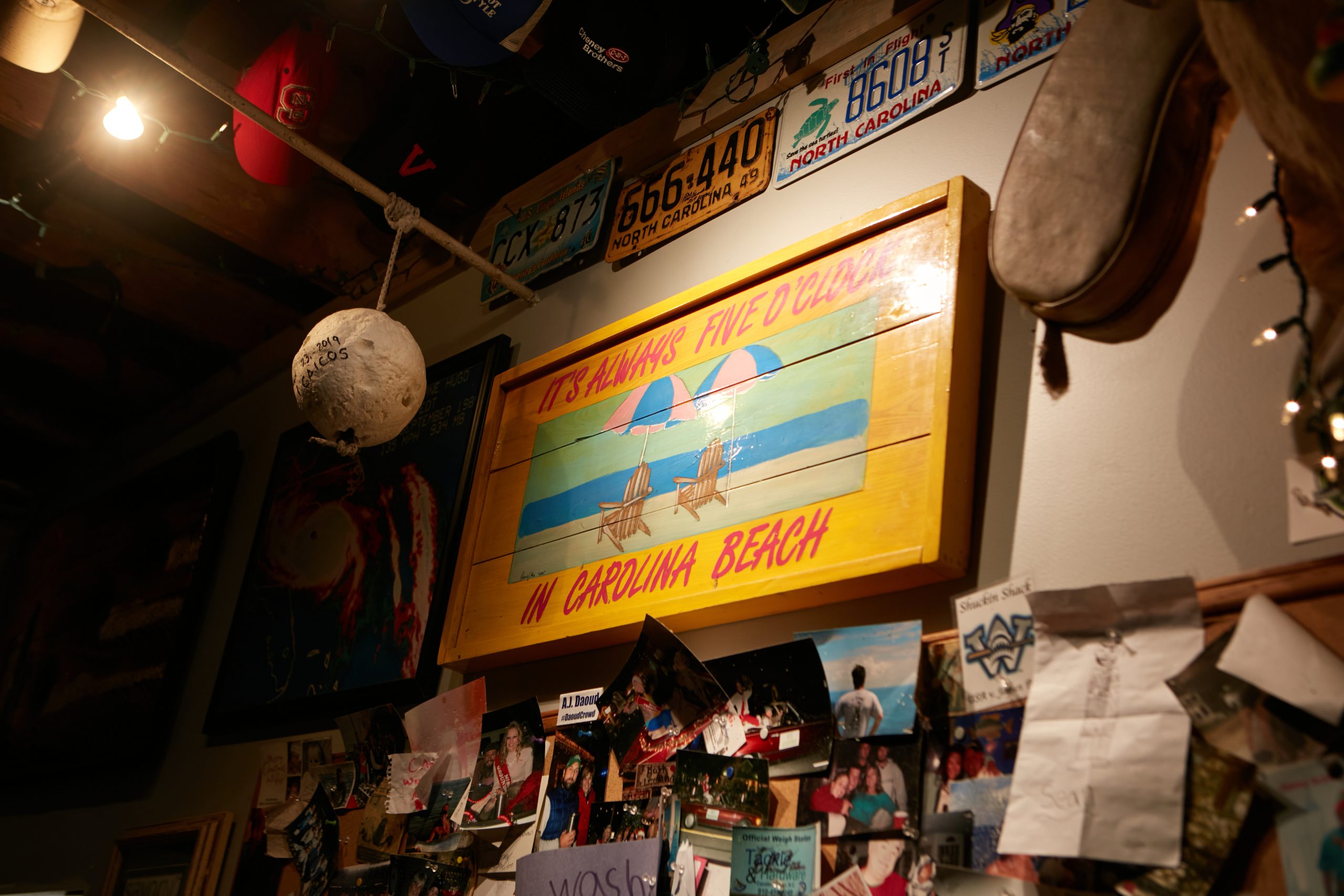
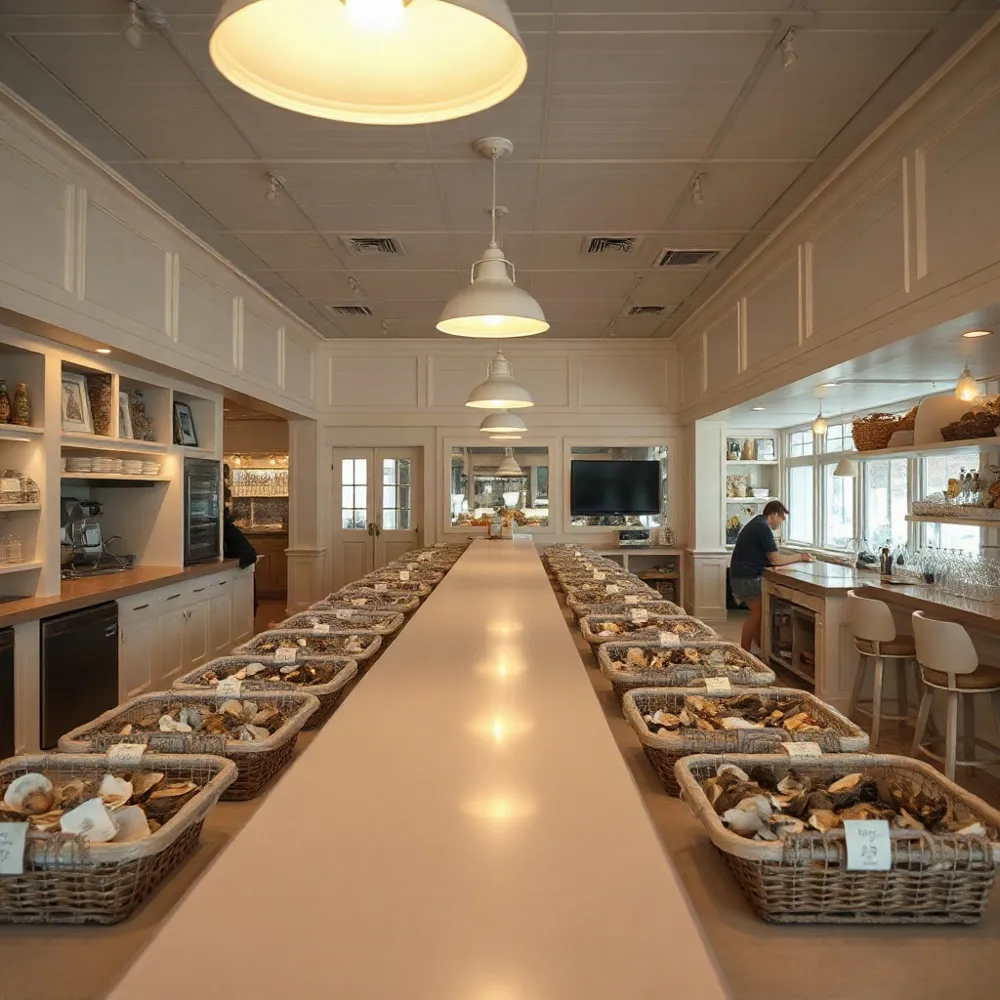
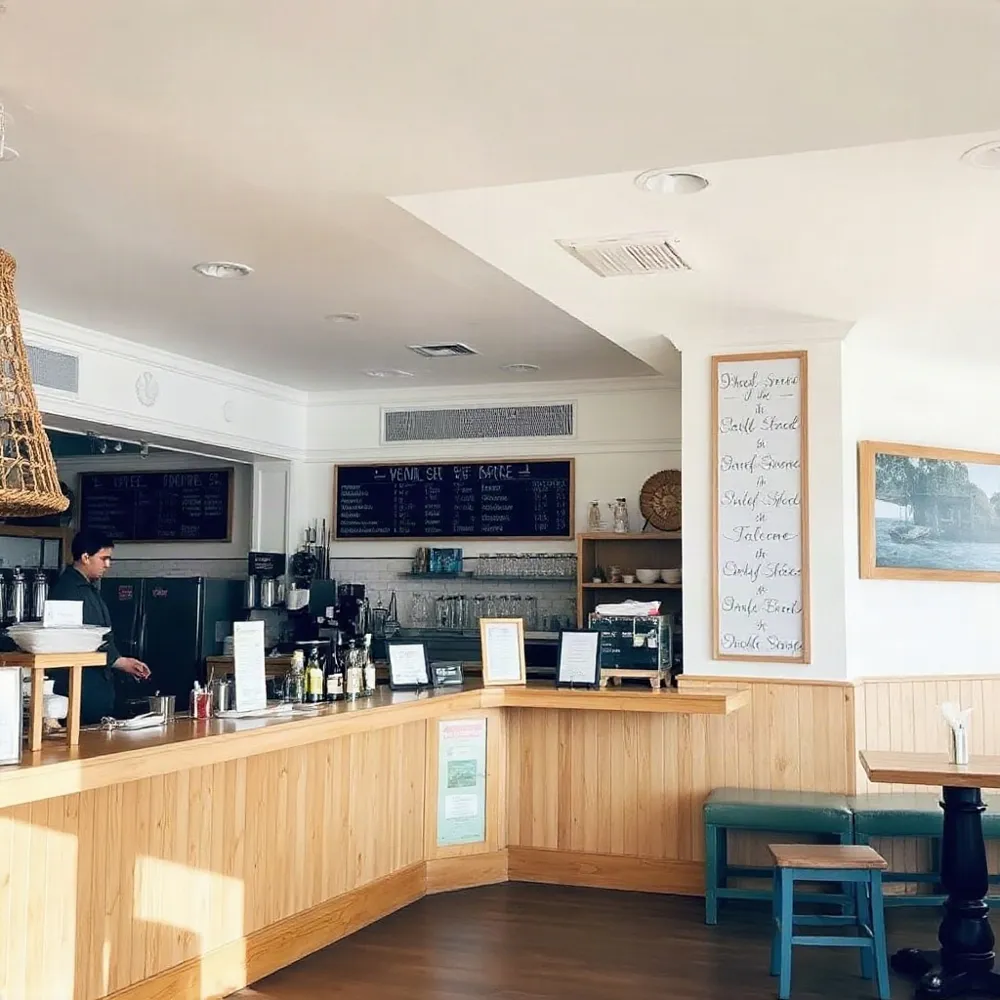
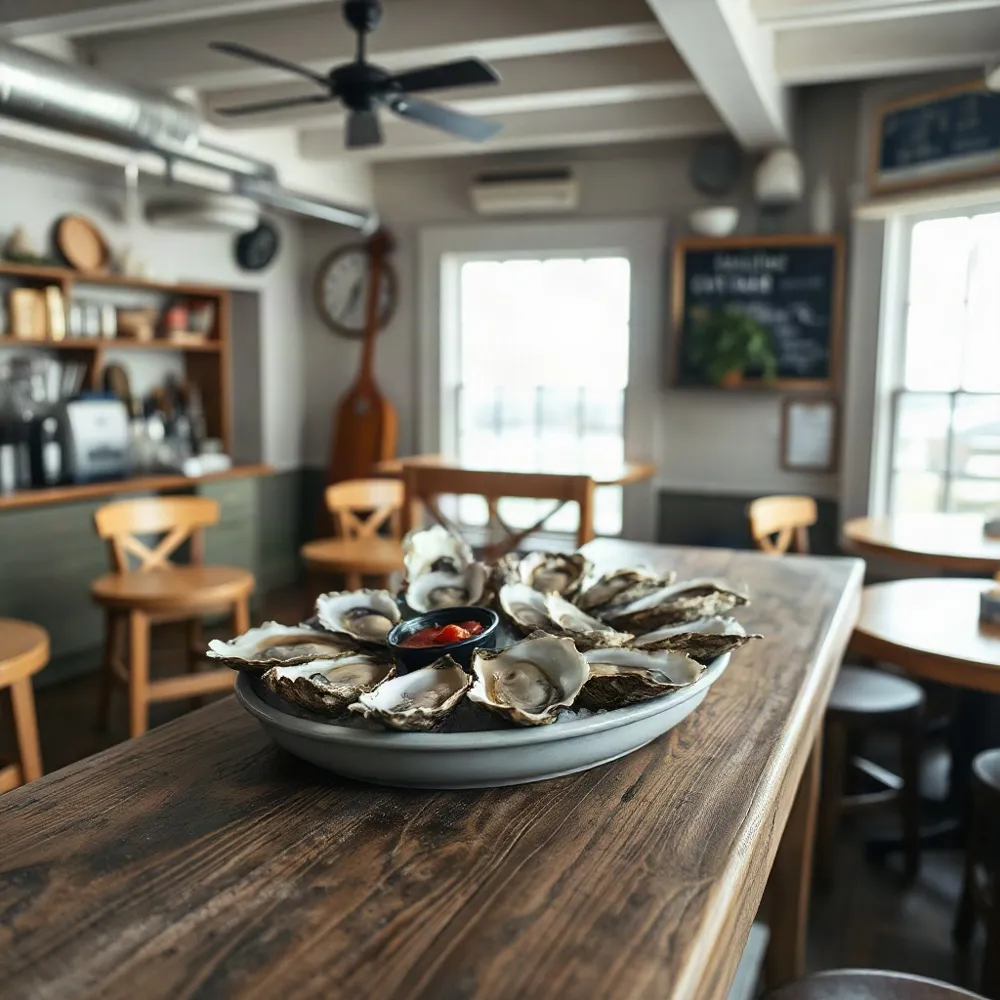
Shuckin’ Shack is a North Carolina-founded casual oyster-bar franchise built around an East Coast seafood-bar experience, whether a restaurant is near the shore or inland. Its coastal, vacation-like atmosphere pairs seafood with familiar menu favorites, creating a relaxed setting where neighbors can gather, get to know the team, and become regulars.
For an owner, the practical appeal is starting with an established brand, menu, and restaurant design rather than creating those elements from scratch. That gives the concept a recognizable identity to introduce locally, but it does not prove that customers in a particular community will choose it or that the restaurant will be profitable. The FTC’s franchise buying guide advises buyers to assess local demand and competition instead of treating brand appeal as a guarantee.
Will the concept fit your community?
Start with the people and places around your proposed site. Look at local interest in seafood, customer demographics, seasonal changes in traffic, and whether the area can support repeat visits. Shuckin’ Shack’s neighborhood gathering-place identity may suit a community seeking a casual place to meet, but local conversations and market research should test that possibility.
Compare national, regional, and local competitors, including seafood restaurants and other casual dining choices. Check their menus and prices, how well known they are locally, and what customers say about them. Then assess whether Shuckin’ Shack’s coastal atmosphere and hospitality offer a clear reason to visit, or whether you will need to build awareness through local outreach.
Finally, investigate whether a suitable site is available and what its lease, build-out, equipment, and construction requirements could mean for your plans. The International Franchise Association’s diligence guidance recommends weighing local demand, competition, customer demographics, and real-estate availability. For Shuckin’ Shack, verify site and design requirements in the current franchise documents, then compare them with the costs and customer patterns in your intended community.
Build a Full Investment Picture
How much does it cost to open a Shuckin’ Shack franchise? The supplied estimate is about $500,000 to $1.5 million. Another published estimate gives a range of $456,750 to $1,401,420. Treat both as starting points, not a quote: confirm current, applicable figures in the latest Franchise Disclosure Document (FDD) and ask for a detailed estimate based on your proposed location and restaurant format.
Those figures can shift with the local market, site condition, restaurant size, construction, equipment, inventory, and other project-specific expenses. A coastal-style seafood bar in an existing restaurant space may require a different budget from one built from the ground up. The FTC advises prospective owners to look beyond a headline estimate and review the full range of startup and ongoing costs in the Franchise Disclosure Document.
Use FDD Items 5-7 to examine initial and continuing charges, deposits, leases, equipment, inventory, royalties, advertising contributions, and other specified expenses. Budget separately for payroll, insurance, licenses, legal and accounting advice, leasehold improvements, and local code compliance if these are not fully captured. The FDD is also where you can check how Shuckin’ Shack’s current fees are calculated and what the franchisor requires.
Pay close attention to how fees work over time. An initial franchise fee may be non-refundable, and royalties may be due on gross income even when a restaurant is losing money. Ask how advertising contributions are calculated, what they fund, and whether spending supports national or local promotion. Keep startup investment separate from financial qualification thresholds and recurring operating costs, and do not substitute broad restaurant-industry or other-chain benchmarks for Shuckin’ Shack’s disclosures.
Build a cash plan for the opening period as well as the build-out. The FTC recommends estimating first-year operating expenses and personal living costs for as long as two years; opening can take months, break-even may take more than a year, and some franchises never break even. Review your available cash and financing with an accountant, then decide how much you can afford to risk before signing.
Read the Numbers With Care
The financial section of a franchise disclosure document (FDD) deserves a careful read, especially when you are weighing a neighborhood seafood bar such as Shuckin’ Shack against your own plans. Item 19 is where a franchisor may present financial performance information. The FTC does not require those claims, but any that are made must have a reasonable factual basis and appear in Item 19 with supporting information and material assumptions. The FTC’s franchise guide explains what to check.
If Item 19 includes results, look beyond the headline figure. Check the period covered, how many outlets supplied data, what types of locations they were, and which units were excluded. Ask whether the results reflect markets and operating conditions like the community you are considering. Request written support for the figures, and have an accountant assess whether the assumptions fit your proposed site and operating plan.
Sales are not profit. Rent, labor, food costs, royalties, advertising, and other overhead all affect what remains, while a small number of high-performing restaurants can pull an average upward. Compare any disclosed results with realistic local expenses and conversations with current and former franchisees. The FTC’s guidance on evaluating franchise earnings cautions that gross sales alone do not show what an owner earns.
Treat historical results as useful context, not a forecast or promise about a new Shuckin’ Shack location. Item 21 offers another perspective: it contains the franchisor’s three most recent audited annual financial statements. Review them with an accountant to assess the company’s financial condition and whether it appears able to support existing and planned outlets. Growth may raise brand recognition, but it does not establish that individual franchisees will succeed.
Verify Training and Ongoing Support
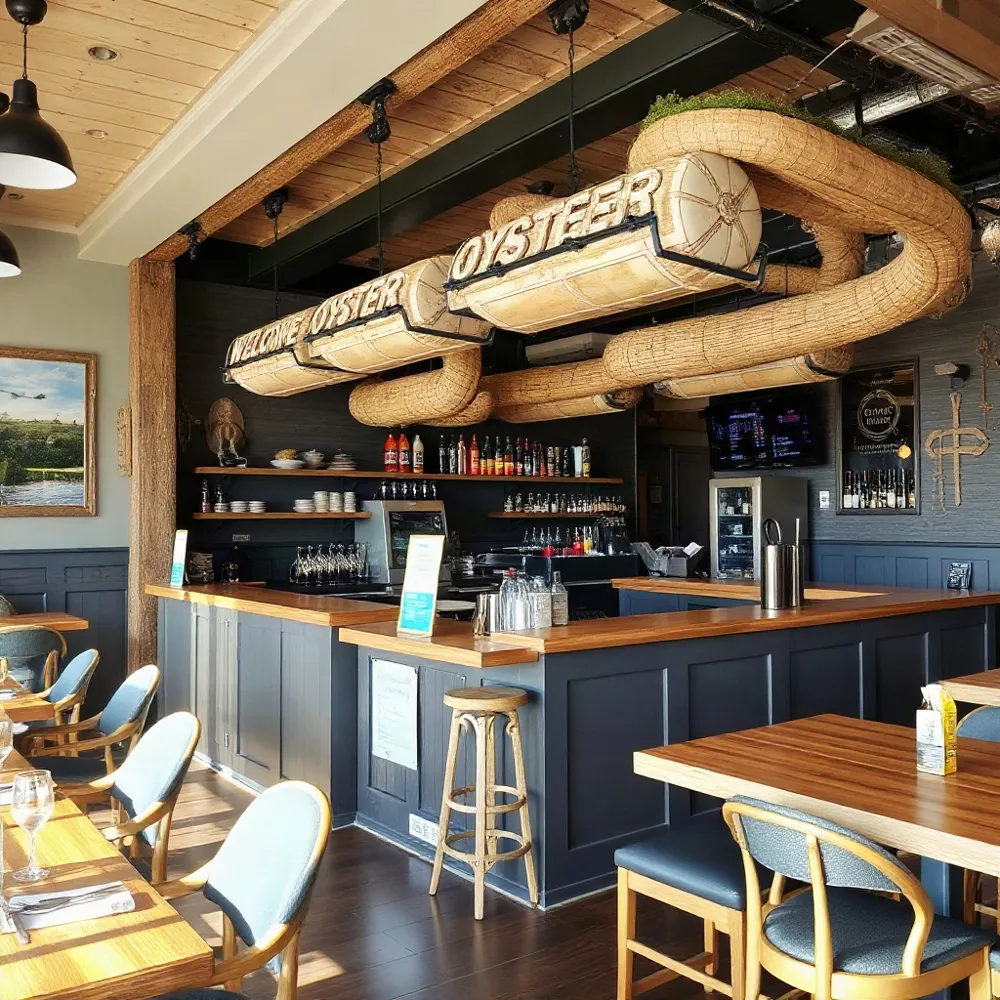
For a restaurant opening, practical help matters as much as what is promised on paper. Shuckin’ Shack describes support that begins before opening, with guidance on real estate, operations, licensing, construction, and brand standards.
The training program, called Shuck U, is described as a two-week program in Wilmington, North Carolina. It combines classroom sessions, recipe practice in a test kitchen, and hands-on experience at a working restaurant. Topics include seafood handling and food safety, food and labor costs, profit-and-loss statements, team management, leases, and insurance. Separate tracks are offered for owners, managers, and employees.
Around opening, experienced staff and leadership team members help with orientation, staff training, and the soft opening. After launch, the operations team provides coaching and troubleshooting, including help with manager onboarding, inventory, and ordering. Marketing assistance is also part of the described support.
What training and ongoing support can franchise owners expect?
Treat these details as questions to verify, not guarantees. Ask for the current program’s length, cost, trainer qualifications, and scope, including any added expense for training employees. Check the FDD and franchise agreement for the franchisor’s stated commitments, then ask what local troubleshooting and on-site help are available after opening. The FTC’s franchise buying guide recommends checking the training and support described in disclosure materials and confirming how it works with current franchisees.
Speak with several Shuckin’ Shack franchisees about whether training prepared them for daily operations, how responsive the operations team is, and whether marketing assistance meets their needs. Also ask how support is managed as the system grows. Compare their experiences with the written commitments and assess whether the franchisor appears able to support its planned outlets.
Know the Owner’s Daily Role
Is owning a Shuckin’ Shack franchise a passive investment? Not automatically. A restaurant needs daily attention to operations, staffing, and customer care, so plan for active oversight rather than assuming income will arrive without your involvement.
Owners’ day-to-day roles can differ. One franchisee described herself and her husband as “more passive owners,” while still handling tasks such as social media and relying on their team. Another owner said she and her husband were at the restaurant every day, especially in the early years. These are individual experiences, not a promise that a hands-off model will suit every location.
Before committing, ask the franchisor what owner involvement, manager staffing, and ongoing responsibilities would look like for your proposed restaurant. The FTC’s franchise buying guide recommends considering your management experience, work expectations, and whether you plan to operate the business yourself or hire a manager.
Be candid about the time you can give the business, the work style you prefer, and your ability to recruit and retain a capable team. Shuckin’ Shack’s neighborhood seafood-bar setting depends on hospitality as well as solid daily operations, so decide whether you want to be present on the floor, lead through a manager, or take a more involved role during opening and early operations.
Investigate the Agreement and Owner Experience
Before you decide whether a Shuckin’ Shack franchise fits your plans, look beyond the coastal atmosphere and review the current Franchise Disclosure Document (FDD), the agreement, and the experience of people already in the system. The FTC Franchise Rule requires the franchisor to provide the FDD at least 14 days before asking you to sign or pay. Use that time to keep a copy and read all 23 numbered items, rather than treating the deadline as a formality. The FTC’s franchise buying guide explains the disclosure and review process.
Pay close attention to Items 8 and 12, which address approved suppliers, products, customers, territories, and internet sales or solicitation. Ask whether territory protections cover the channels that matter to your proposed market, or whether other outlets and sales channels could still reach local customers. For a neighborhood seafood bar, these terms can shape purchasing choices and how you build a regular local following.
Read Item 17 alongside the franchise agreement. Check the contract term, renewal qualifications, termination rights, transfer rules, post-termination duties, and dispute process. Renewal is not automatic, and renewal terms may bring changes to royalties, design standards, or territory. A franchise attorney can explain how those provisions affect your choices if circumstances change.
What should I review before deciding whether to invest in a Shuckin’ Shack franchise?
Use Item 20 to examine outlet openings, closures, transfers, and ownership changes, and to find contact details for current and certain former franchisees. Speak with newer owners as well as people with longer experience, and contact former owners where possible. Ask about total investment, opening time, break-even experience, training, advertising, ongoing support, operating costs, and problems they encountered. Find out whether they would invest again with what they know now. The International Franchise Association’s diligence guidance also recommends looking for recurring themes across owner conversations.
Review the FDD’s disclosures about the franchisor’s experience, leadership, litigation, and bankruptcy history, and check its reputation and trademark status through appropriate public and regulatory sources. Growth may bring wider recognition, but it does not establish that franchisees are succeeding or that support can keep pace. For Shuckin’ Shack, connect those checks with your own market research: test local seafood demand, seasonality, competition, labor needs, and whether the coastal oyster-bar concept can earn repeat visits.
Make your decision from the full picture: concept and local demand, total costs, any Item 19 financial-performance information, training, owner workload, contract terms, and franchisee experience. Confirm which investment figures and restaurant format apply to your proposed site. Before signing, ask qualified franchise counsel to review the agreement and have an accountant test your business plan, cost estimates, and financial assumptions.
Decide With Evidence, Not Assumptions
A coastal seafood bar may suit your community, but the decision depends on local demand, the full investment, your role as owner, and the support documented for the franchise. For Shuckin’ Shack, weigh its neighborhood-style concept and hands-on support against your own market research and operating plans.
Before signing, request an updated FDD, compare its disclosures with what current and former franchisees tell you, and ask an independent franchise attorney and accountant to review the agreement and financial assumptions. The FTC’s franchise buyer guide offers general questions for investors, not a verdict on Shuckin’ Shack.