Make the Shack Feel Local
Marketing a neighborhood oyster bar is about more than getting its name in front of people. A local favorite gives guests a distinctive place to gather, treats them well on every visit, and takes part in the life of the community. Genuine involvement can help restaurants build lasting relationships, rather than feeling like a one-time promotion (restaurant community engagement).
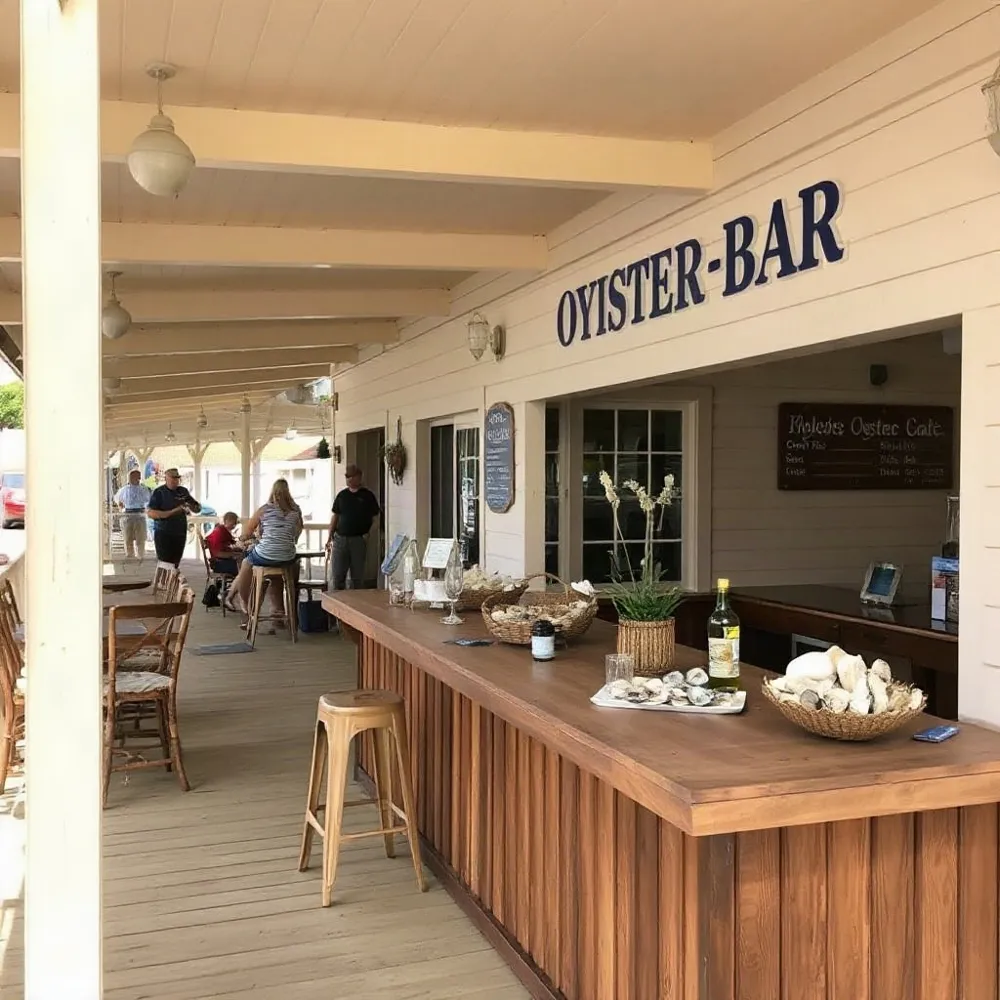
For aspiring franchise owners, that work begins with the experience you offer. Shuckin’ Shack Oyster Bar brings a casual coastal-vacation feel and neighborhood-style hospitality to communities across the United States, including places far from the East Coast. The idea is to make seafood feel approachable and give locals a comfortable spot to meet, while visitors can enjoy an East Coast-inspired experience.
Give people a reason to walk in, then make the welcome worth repeating. Friendly service and staff who can help guests choose oysters make newcomers feel at ease. NOAA explains that oysters can vary in flavor by growing region, giving servers an easy starting point for a conversation and a tasting recommendation (NOAA’s oyster guide).
A strong local presence grows from those small moments: a meal shared with friends, a helpful answer at the oyster bar, or a restaurant that shows up for its neighbors. As an owner, focus your marketing on the experience your community can actually expect, then build relationships that give guests a reason to return.
Give Guests a Coastal Place to Gather
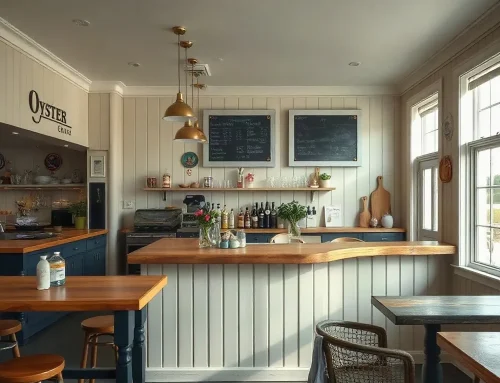
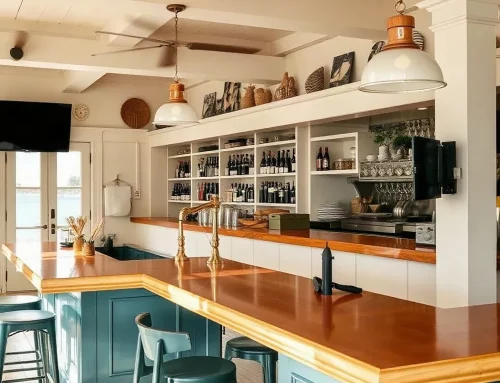
You’ll create a Shuckin’ Shack that feels like a relaxed coastal escape, not a formal seafood occasion. Your guests will settle in with family or friends, enjoy an easygoing meal, and find the kind of friendly service that makes a first visit feel comfortable.
Your menu will give different appetites a place at the table. Oysters share space with crab legs, wild-caught shrimp, burgers, hand-tossed wings, and seasonal seafood specials, so a group can choose what sounds good without everyone needing to be an oyster expert. For guests who want to explore, your staff can describe how oyster flavor varies by growing region and help them find a style they enjoy.
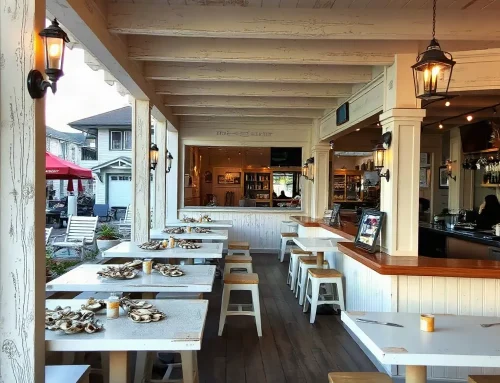
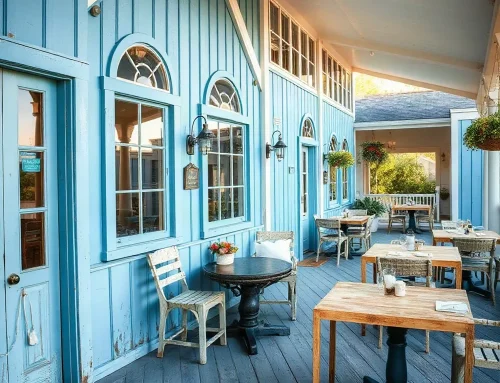
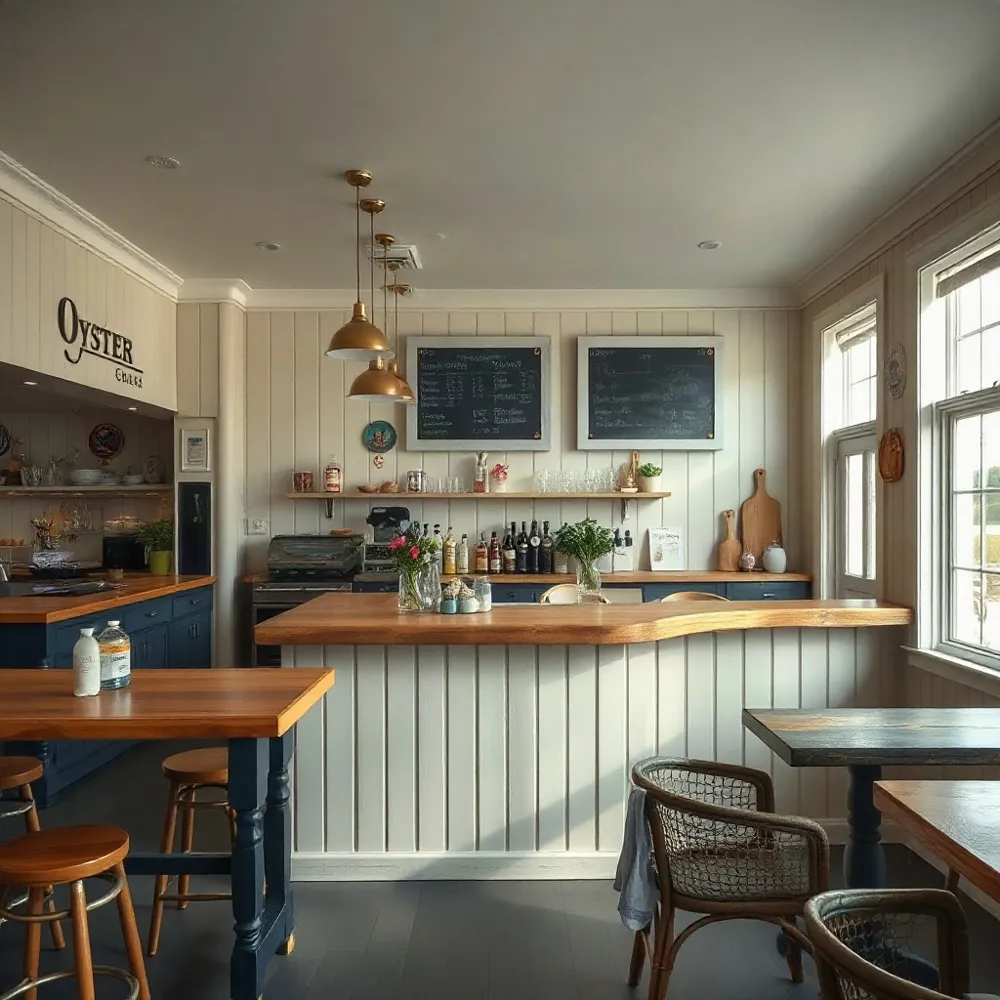
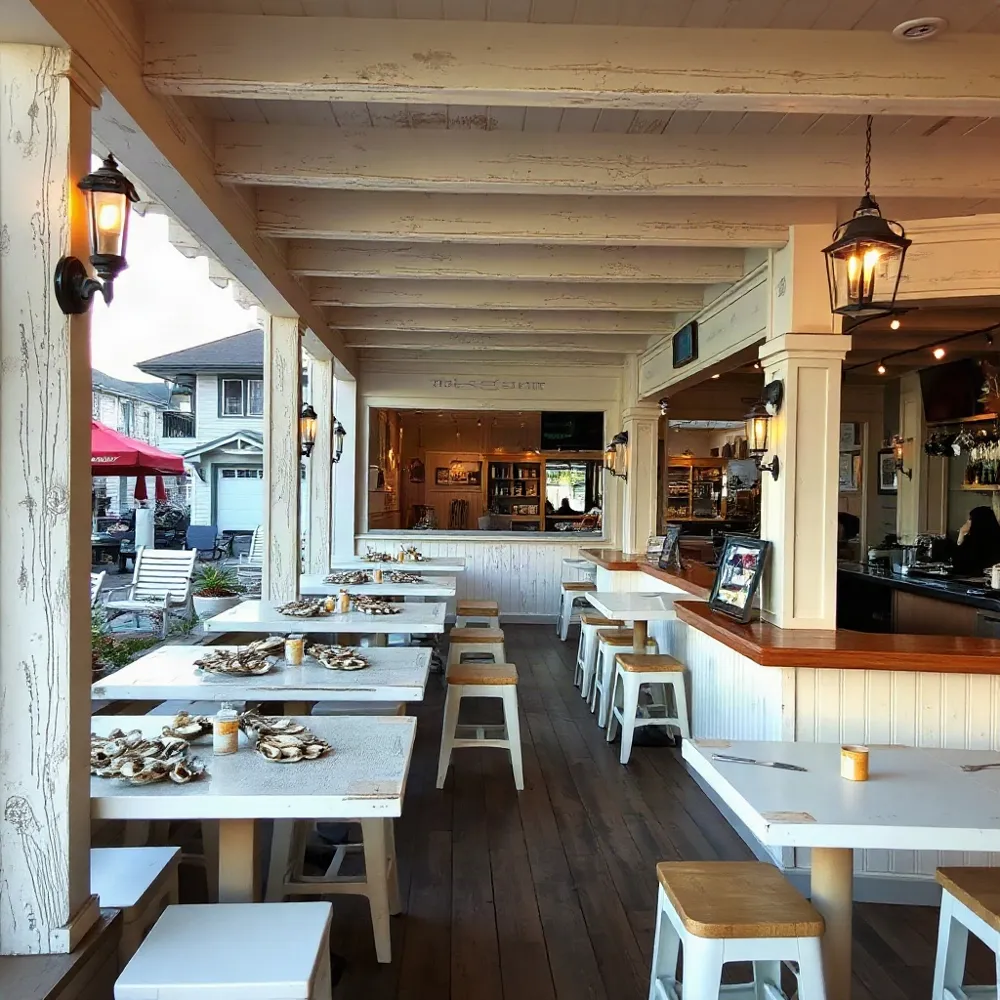
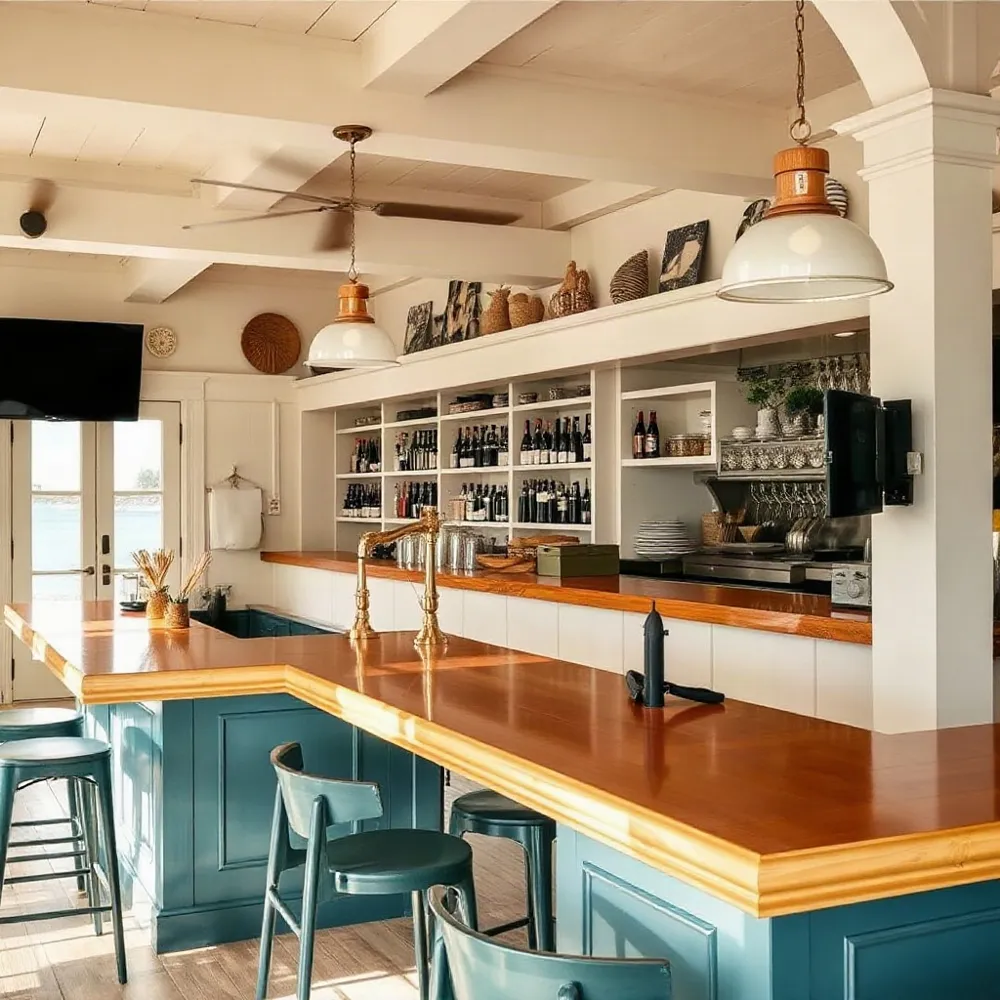
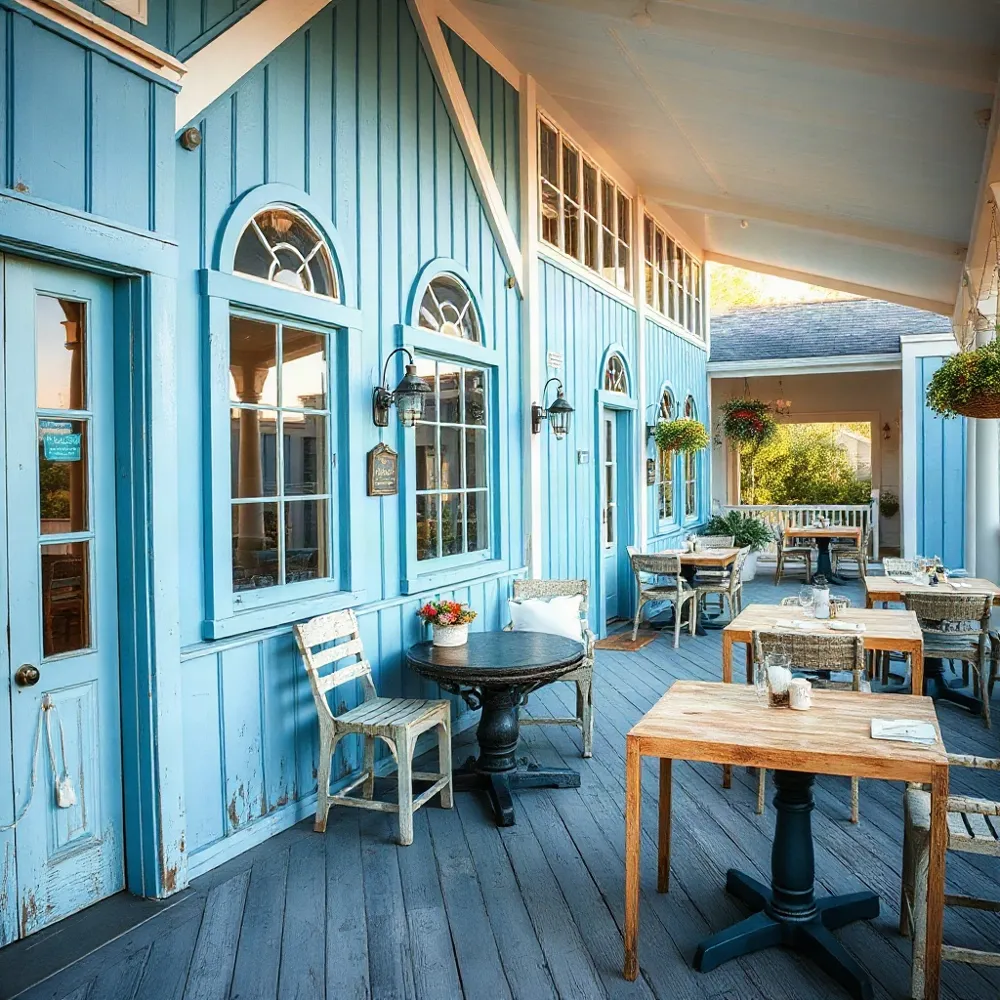
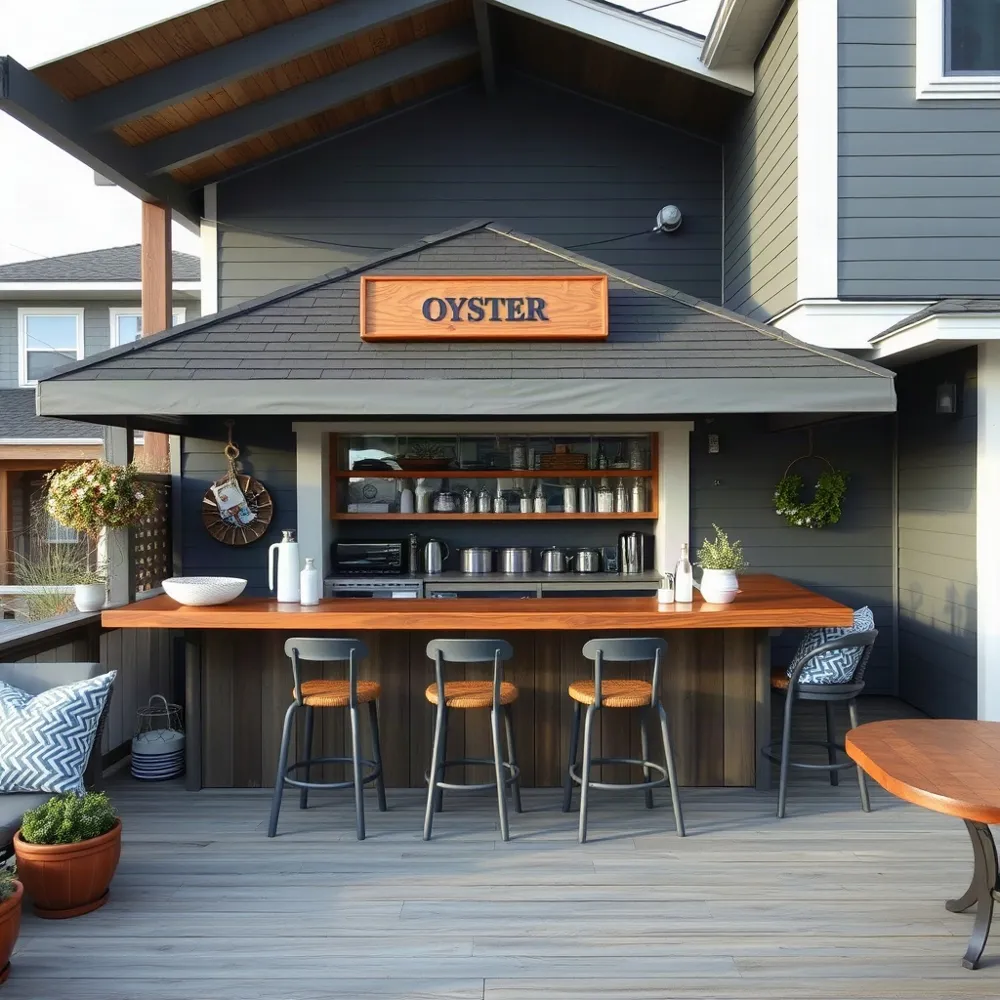
You can offer specialty drinks and cold beer to add to the relaxed bar atmosphere. You can design patios and inviting spaces to make your location feel especially suited to lingering together. Across locations, your aim will be consistent: help locals feel at home, give visitors a taste of the East Coast, and make gathering over a good meal feel natural.
For you, the concept and menu offer a recognizable starting point rather than a blank page. Your local team will bring that foundation to life through warm service and genuine ties to the people who live nearby. This balance of a familiar coastal feel and community welcome is part of making your oyster bar a local favorite. Your investment in a Shuckin’ Shack franchise includes comprehensive training and ongoing support to help you bring this concept to life in your community.
Let the Oyster Story Start a Conversation
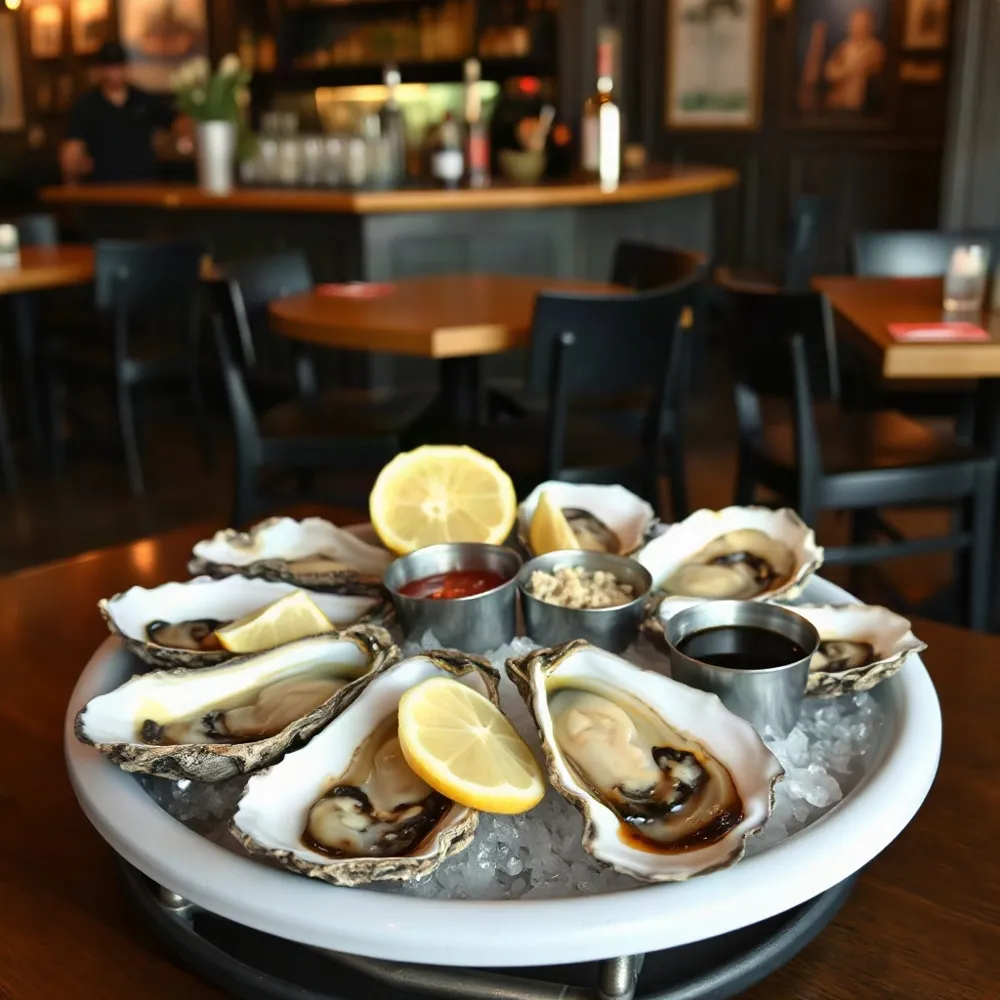
An oyster menu can invite curiosity without making guests feel they need a lesson first. At Shuckin’ Shack, a neighborhood-style oyster bar with a coastal feel, staff can turn a first order into an easy conversation by explaining what is on the plate and welcoming questions.
Oyster flavor reflects where an oyster grows, including salinity, water temperature, available food, and surrounding-water conditions. Oysters from high-salinity waters are often brinier, while those from bays and creeks can have a sweeter finish. When the selection allows, suggest comparing oysters from different regions, and describe each one plainly rather than assuming guests know the vocabulary. NOAA’s oyster guide explains how growing conditions shape flavor.
A simple recommendation can help someone decide: ask whether they prefer a briny taste or a sweeter one, then offer a variety that fits. Staff can also explain an oyster’s name, origin, and size. Smaller oysters may feel like a comfortable place to start; larger ones bring a more substantial bite. That kind of practical guidance makes seafood knowledge part of hospitality, not a test.
Invite guests to taste an oyster plain first and notice its liquor, the clear liquid in the shell, before adding anything. Then offer familiar choices such as lemon, horseradish, cocktail sauce, mignonette, and hot sauce. There is no single correct way to enjoy an oyster, so guests should feel free to find the combination they like.
A changing selection also makes careful sourcing and clear communication essential. In an interview about L & E Oyster Bar, its owner describes checking oyster identities and harvest details with suppliers. Shuckin’ Shack’s franchise model gives owners a coastal seafood concept and hands-on operational support, while each restaurant should describe its actual oysters and sourcing accurately. The interview offers a practical example of why supplier relationships and honest descriptions matter when availability shifts.
When the sourcing information is verified, it can give guests useful context. Farmed oysters support growers and coastal businesses, and NOAA describes how oyster reefs can provide habitat and improve water quality. Some restaurants also take part in shell-recycling efforts. Share those details only when they apply to the oysters served or the restaurant’s own practices, so the story earns trust rather than relying on an unverified claim.
Build Community Beyond the Dining Room
A neighborhood oyster bar can be more than a place to order seafood. It can be a relaxed gathering spot where families, friends, visitors, and local groups feel welcome. As a Shuckin’ Shack franchisee, the coastal-inspired setting offers a natural backdrop for bringing people together, but local relationships are what make that welcome feel rooted in the neighborhood.
Start by learning what matters to the people nearby before choosing a partnership or event. A school fundraiser may suit one community, while a local business gathering or family-friendly music night may fit another. The Escoffier guide to restaurant community involvement recommends shaping outreach around local needs and the restaurant’s own values, rather than picking activities only for attention.
Practical options include partnering with nearby businesses or organizations, joining local events, hosting a community night or fundraiser, and featuring local artists or musicians when they suit the audience and operation. Shuckin’ Shack’s Fresh & Raw Tour offers a brand example of live music and fundraising centered on seafood. It shows one way to bring people together, but it should not be taken to mean every location has hosted the tour or will produce the same results.
When sharing charitable work, keep the focus on the cause and its participants rather than presenting the restaurant as the hero. Ask neighbors and partners what worked, listen to their feedback, and adjust future activities to fit local interests.
Shuckin’ Shack provides marketing and support for daily operations, but you should ask what specific local-marketing resources and guidance are included. Clear answers can help you plan how to introduce the restaurant, build partnerships, and stay involved beyond opening day.
Help Nearby Diners Find Their Way In
For a prospective guest, finding an oyster bar may start with a quick phone search. A well-kept Google Business Profile can help nearby diners check whether your restaurant fits their plans.
Keep hours, phone number, address, menu, prices, photos, and reservation or ordering links current on Google and other relevant directories. Inconsistent details can frustrate someone ready to visit. For Shuckin’ Shack franchise owners, the neighborhood seafood concept has a coastal-vacation feel, so accurate local information helps guests connect that promise with the location near them.
Your website should make the next step easy on a small screen. Use a readable, up-to-date menu, clear location and contact details, and visible links to reserve a table or order. Photos of oysters and other seafood, the dining room, and staff welcoming guests can show both the coastal atmosphere and the hospitality before someone walks in.
Online reviews and messages are also part of the welcome. Thank guests for sharing feedback, answer questions promptly, and address criticism calmly and professionally. A response cannot guarantee a certain rating or search placement, but it can show prospective diners that the team is listening.
Use social media to keep the relationship going with current guests. Share specials, team stories, behind-the-scenes moments, community partnerships, and upcoming events, with updates that feel natural to the neighborhood. Restaurants can also make genuine community ties visible through activities such as local partnerships and fundraisers, as described in this guide to restaurant community involvement.
Finally, track practical actions such as direction requests, calls, website visits, menu views, and reservations. These signals can help you see which updates appear to bring nearby diners closer to a visit, then adjust the approach to fit the local community.
Give Regulars a Reason to Return
A loyalty program can recognize a guest’s return visit, but it works best alongside good food, attentive service, and the personal welcome that makes a neighborhood oyster bar feel familiar. At Shuckin’ Shack, rewards should complement the coastal, community-focused experience, not stand in for it.
Rewards can give guests a reason to return, but every Shuckin’ Shack location is different. The best approach is to start simple and adjust based on what your guests respond to. Focus on rewards that feel personal and fit the coastal, welcoming character of your Shack.
Keep the offer easy to understand, with clear terms and a reward guests can realistically earn. Depending on the approved program and its economics, that might mean points toward a future visit or recognition tied to a guest’s favorite menu item. An occasion-based offer or special access to a seafood event can make the gesture feel personal while fitting the Shack’s welcoming, coastal character.
Before planning a program, ask what loyalty tools or guidance Shuckin’ Shack provides. Confirm which options are approved and their terms before promoting a particular system or benefit to guests.
Once an offer is in place, review available visit and redemption information alongside guest feedback. If guests are not using a reward or say its terms are confusing, adjust the offer where the program allows. The goal is a simple thank-you that gives regulars a reason to come back and keeps hospitality at the center.
Use Franchise Support to Follow Through
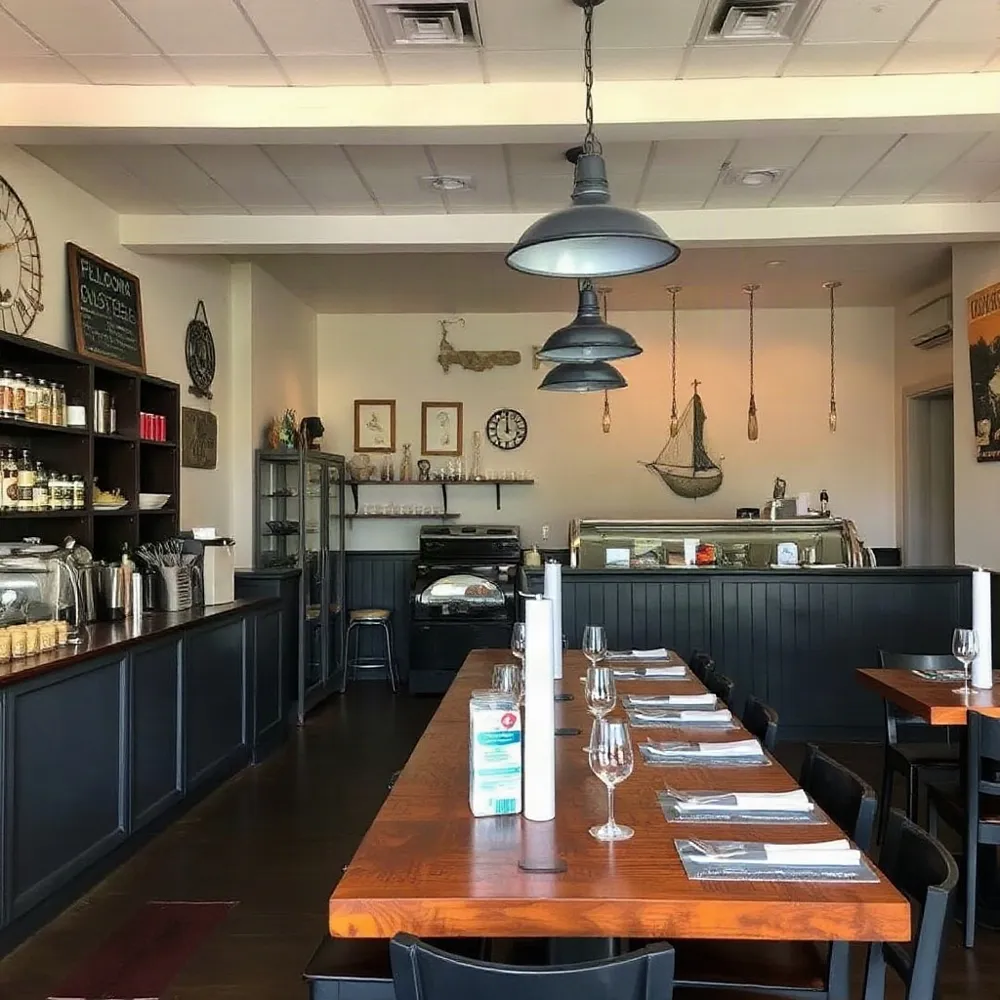
A local marketing promise only works when the restaurant can deliver on it every day. For prospective owners, that means asking not just how a brand helps people find the restaurant, but what practical guidance is available from planning through opening and after launch.
Shuckin’ Shack describes support with site selection, real estate, licensing, construction, design, and build-out. That guidance can help owners move from an idea for a coastal-style neighborhood oyster bar to a restaurant prepared to welcome its first guests.
Training takes place through Shuck U, a two-week program that combines classroom instruction, recipe and food-safety training, and hands-on experience at the Wilmington restaurant. Owners and their teams also learn day-to-day operations and business basics, including food and labor costs, P&Ls, team management, leases, and insurance.
Around opening, experienced staff and leadership team members assist with orientation, team training, and the soft opening. After launch, the operations team offers ongoing coaching and troubleshooting, including help with staff training, inventory, and ordering. Those details matter: a well-informed team is better prepared to give newcomers a warm welcome and help regulars feel recognized.
Marketing support includes digital marketing and social media strategies, but owners should ask which resources fit their specific market and which decisions remain local. Community work is strongest when it reflects the people and priorities of the area, rather than following a generic plan, as Escoffier’s guidance on restaurant community involvement explains.
Before committing, ask how support works in practice: who is your contact, what help is available when a problem arises, and how are responsibilities divided between the franchise team and the owner? Clear answers can help you connect the brand’s coastal atmosphere and local marketing with consistent service on the floor.
Make the Welcome Worth Repeating
A neighborhood favorite is built one visit at a time. A coastal atmosphere may catch someone’s eye, but honest seafood guidance, dependable hospitality, and genuine local connections give guests reasons to return.
For prospective owners, Shuckin’ Shack brings an established oyster-bar concept and hands-on support, while each franchisee still has to learn what matters to the people nearby. Listen to guests, notice which events and menu choices resonate, and make thoughtful adjustments as the community’s needs become clearer.
That work does not guarantee recognition or repeat business. It gives owners a practical way to earn both: deliver the experience consistently, show up for the neighborhood, and keep improving the details that make a welcome feel personal. The National Restaurant Association’s guidance on customer connection also points to the value of making guests feel cared for beyond the meal.