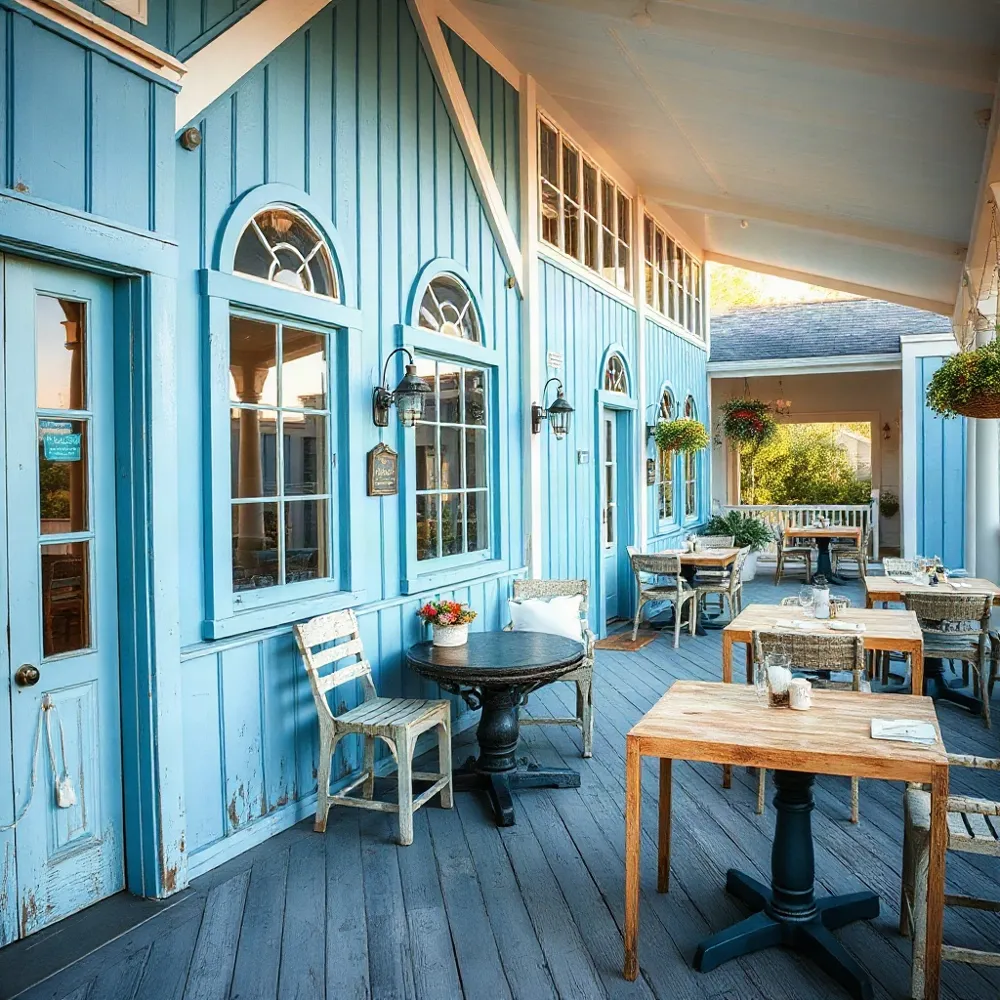
A Coastal Welcome, Far From Shore
A landlocked city may not be the first place people think of for seafood or a beach-inspired meal. That gap can be an opportunity: a clear coastal identity gives diners a distinctive local choice, and gives you a concept with a story to tell.
For Shuckin’ Shack Oyster Bar, the experience is about more than what arrives at the table. Its neighborhood-style seafood bar brings an East Coast coastal vacation feel to markets far from the shore. Promotion can help make that promise tangible by showing the atmosphere, sharing local stories, and giving people reasons to gather beyond an ordinary dinner.
As a prospective franchise owner, you can build awareness through a practical mix of local storytelling, accurate online listings, and relationships with nearby organizations. NOAA Fisheries encourages consumers to seek out local seafood and get to know the people who provide it, a useful idea when a restaurant can verify and share genuine supplier connections (NOAA Fisheries on buying local seafood). Shuckin’ Shack also offers a recognizable concept and hands-on support from operators who have built the business themselves, so you are not starting with a brand or menu created from scratch.
Make Coastal Dining Feel Welcoming
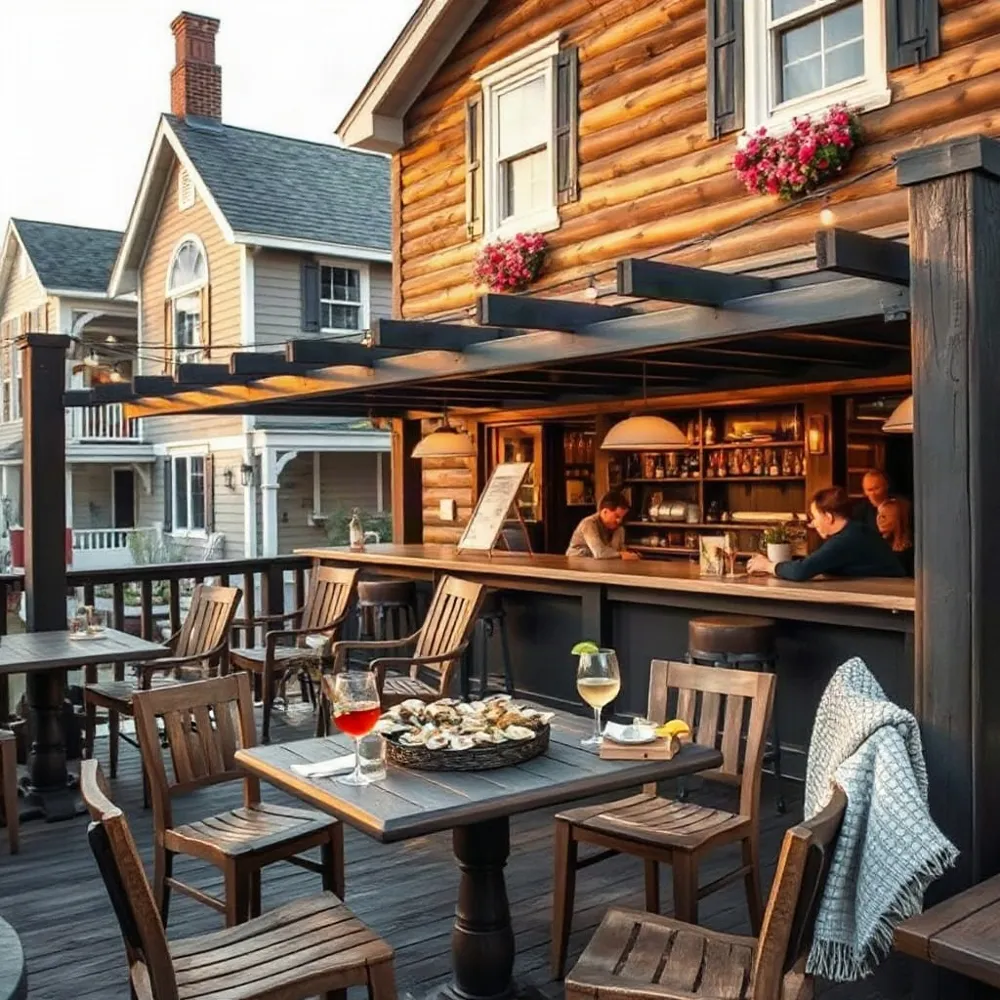
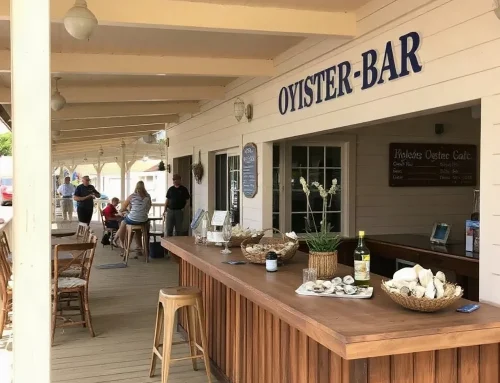
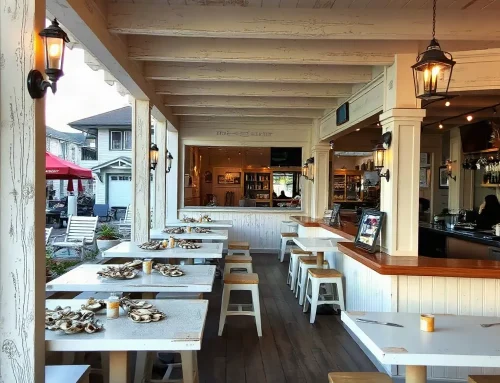
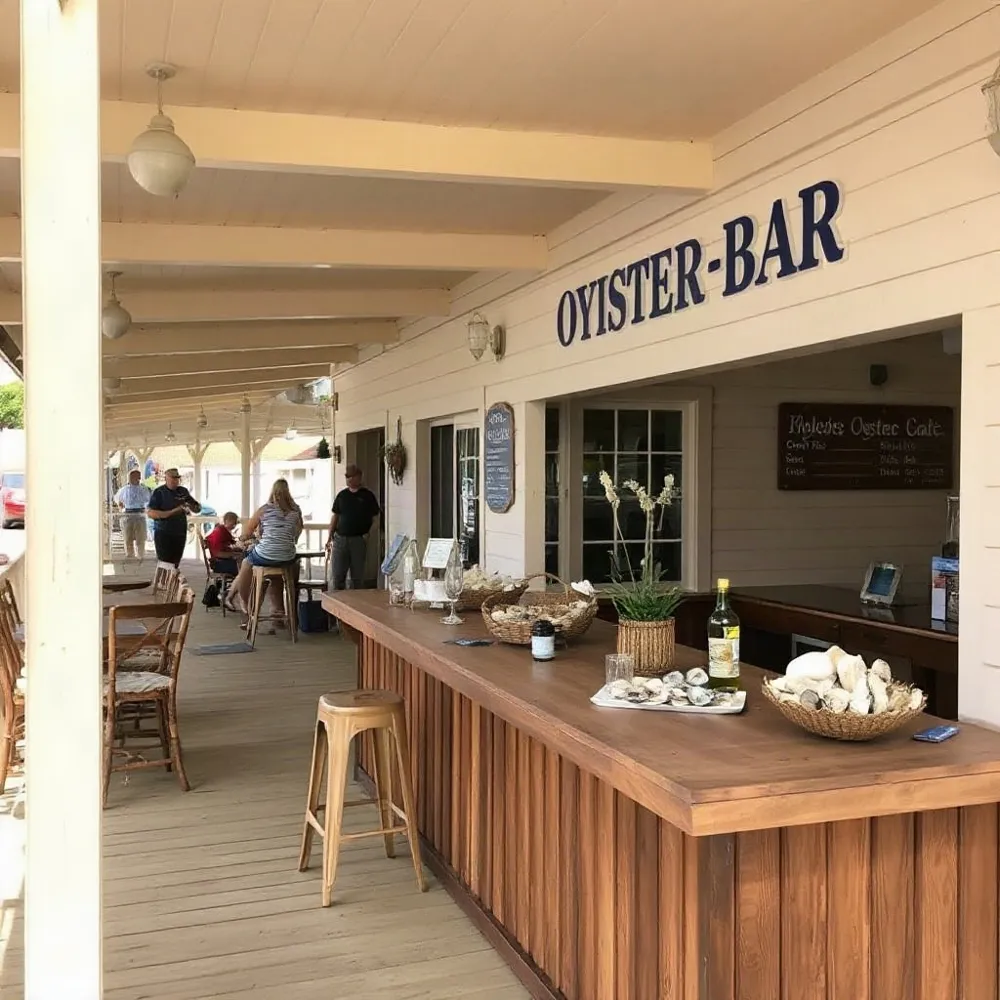
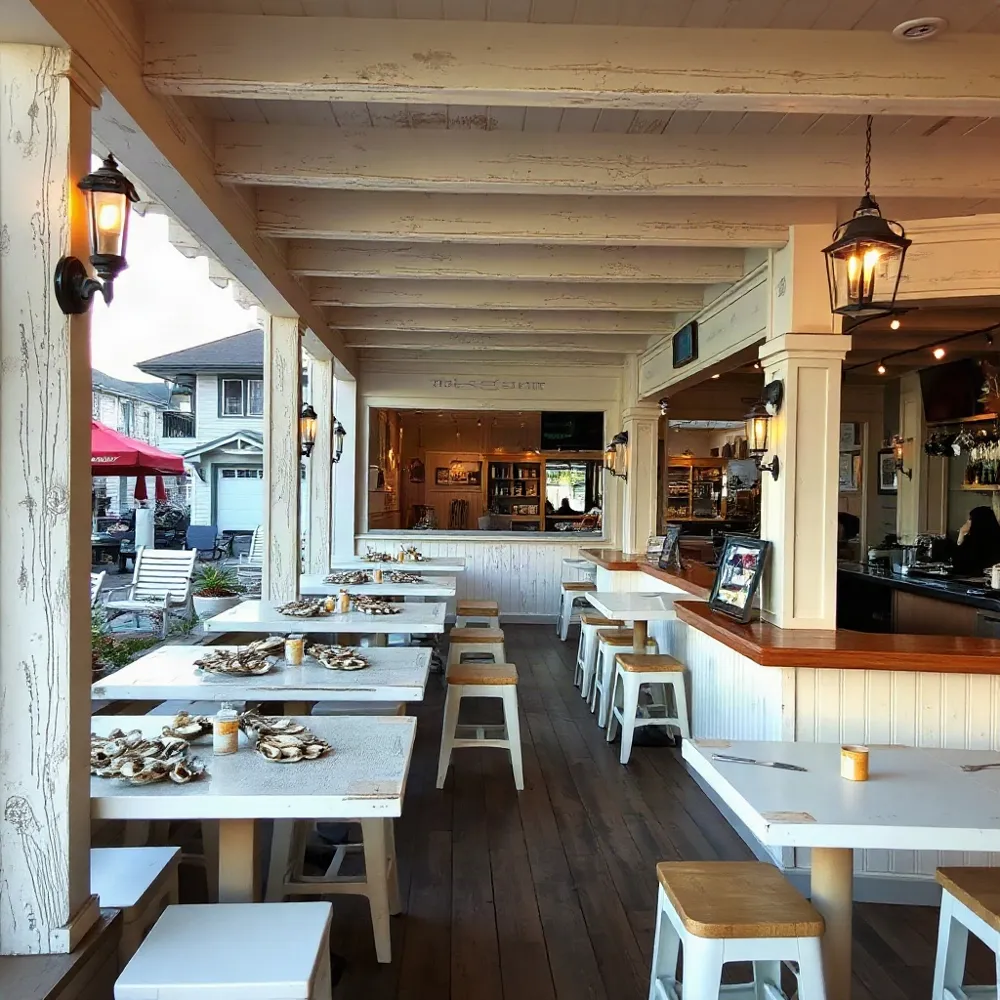
At Shuckin’ Shack, coastal dining means bringing an East Coast oyster-bar feel to a relaxed neighborhood gathering place, whether the restaurant is near the water or far inland. Guests are invited to come as they are, settle in and enjoy a meal without the formality of a specialty seafood restaurant.
The menu pairs seafood-forward dishes with familiar bar snacks, alongside curated cocktails and beer. That mix can work for a casual meal, an evening with friends or a local get-together, giving guests different reasons to stop by while keeping the experience approachable.
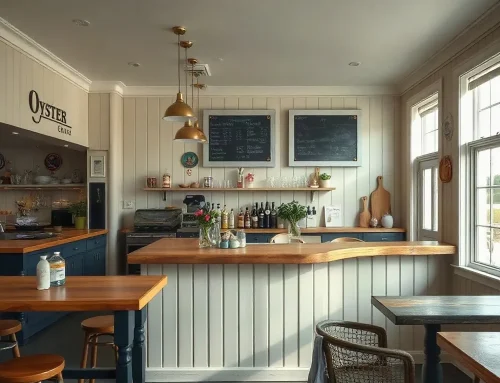
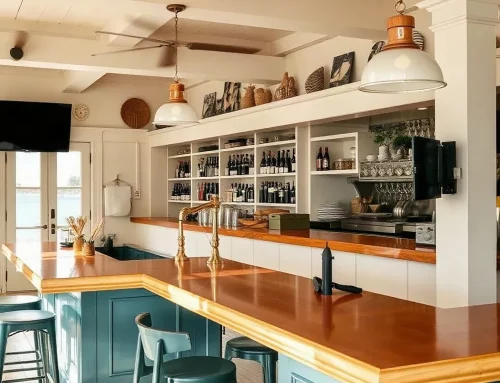
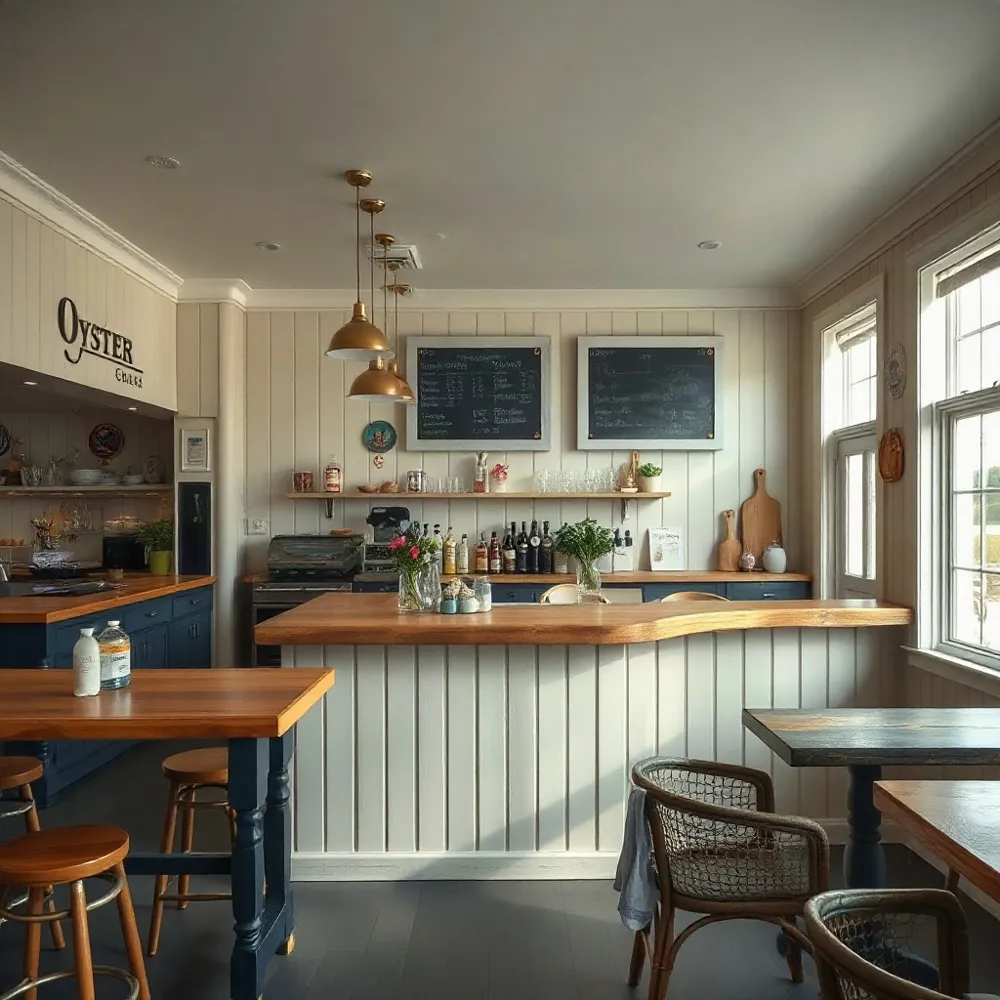
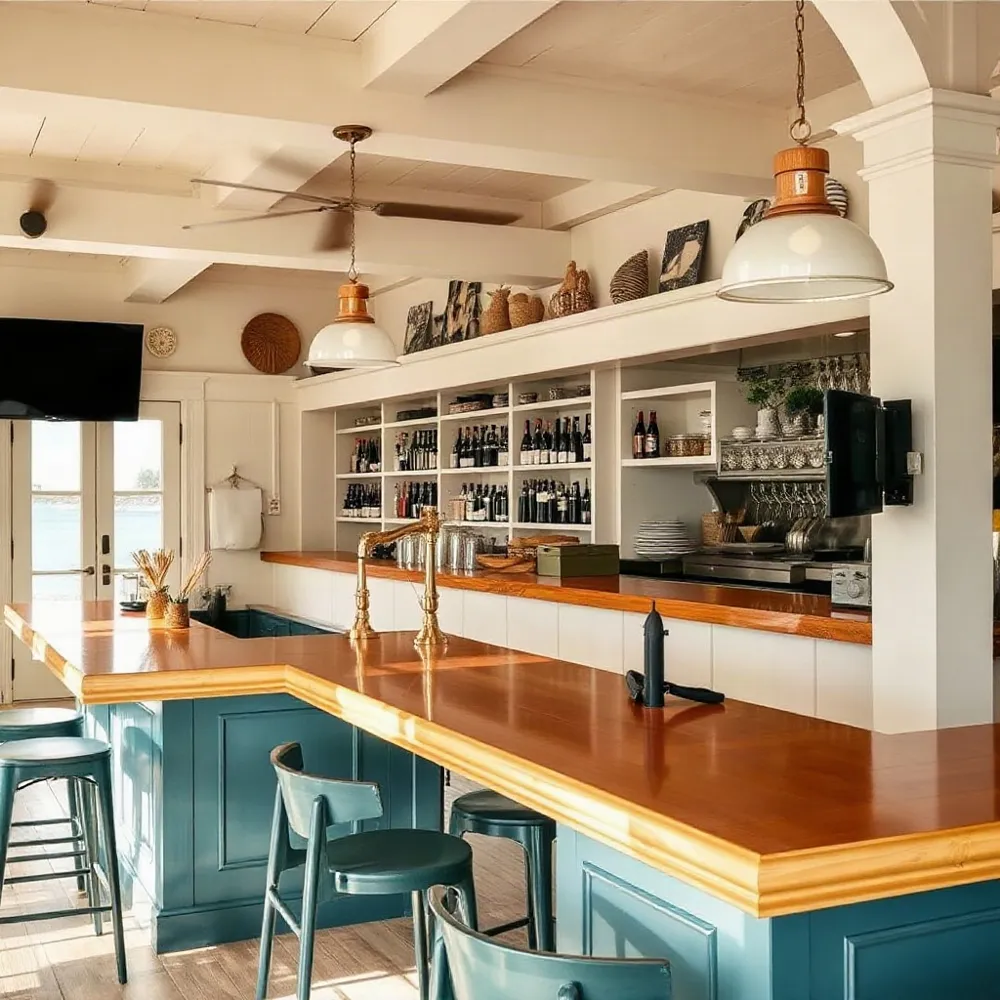
The setting supports the same easygoing mood: rustic and lively, but not rushed. For a franchise owner, that atmosphere offers more to talk about than a menu alone. Promotion can focus on a welcoming place to gather around good seafood and genuine hospitality, rather than presenting the restaurant as a formal dining destination.
That balance also gives local operators room to introduce the concept to their community in a natural way. The coastal identity is recognizable, while the neighborhood feel helps the restaurant fit into everyday routines.
Give Guests More Than a Meal
A seafood tasting, a simple cooking demonstration, or a food-and-drink pairing can turn a dinner out into a chance to try something new. For Shuckin’ Shack, the East Coast oyster-bar identity offers a natural starting point for these experiences, even in a city far from the shore. Keep unfamiliar flavors approachable, explain what guests are tasting, and make the event feel welcoming rather than formal.
Stories about coastal food traditions can add context to a featured dish or tasting. A short note about how a preparation is enjoyed along the coast, for example, can spark conversation, but it should complement accurate menu descriptions and sourcing information, not replace them.
Not every gathering needs to center on food. Trivia, live music, a casual contest, or a suitable game can give couples, friends, and groups another reason to spend time together. NOAA Fisheries describes direct seafood marketing as one way harvesters connect with restaurants and consumers, a useful reminder that seafood experiences can also help guests learn about the people and communities behind a meal.
Choose activities to fit the room, staffing, and interests of the local audience. A compact space may suit a tasting or trivia night better than a larger event, while families or groups may respond to different formats. Shuckin’ Shack’s neighborhood-style seafood bar gives franchise owners a coastal setting to build around, but the best events should reflect the people who live nearby.
Build Local Relationships That Last

A neighborhood restaurant becomes a gathering place when people feel welcome returning, not just when there is a special event. Shuckin’ Shack’s casual oyster-bar setting and coastal vacation vibe give you a place for neighbors to share seafood, relax, and turn first visits into familiar routines.
Local connections grow through showing up consistently. You can explore partnerships with nonprofits, community groups, nearby businesses, clubs, and local events, choosing causes and gatherings that matter to residents in your market. A fundraiser with a local organization, a meal for a community group, or participation in a neighborhood event can introduce your restaurant through genuine involvement.
The brand’s Fresh & Raw Tour offers one example of community engagement through live music and fundraising. Its 2024 tour raised $75,000 for the Leukemia & Lymphoma Society. That result belongs to the tour and should not be treated as a forecast for your individual franchise; local outcomes depend on the cause, event, and community response.
Before planning a branded activity, you should confirm available programs with the franchise team. Then you can choose local efforts that fit your community and describe the benefits accurately, based on what your restaurant actually does. Over time, dependable hospitality and meaningful participation can help your Shack feel like part of the neighborhood, rather than simply another place to eat.
Make Local Discovery Easy
A diner looking for seafood in an inland city may compare nearby options on a phone before deciding where to eat. Accurate online details help them see that a coastal-style oyster bar is close by, what it serves, and how to visit. Shuckin’ Shack’s neighborhood seafood-bar concept brings an East Coast feel to markets far from the shoreline, so make that identity clear wherever guests search.
Keep business information consistent across search and map listings, reservation platforms, and your website. Check hours, phone number, address, current menu and prices, dietary details, photos, ordering links, and reservation options. Choose accurate categories and attributes, such as seafood restaurant or family-friendly, when they fit the location. NOAA Fisheries encourages people to seek out local seafood, but any claim about local sourcing should reflect what the restaurant actually buys and serves. NOAA Fisheries’ guidance on buying local seafood offers useful context.
A mobile-friendly website should make the current menu easy to find and give visitors clear next steps, such as reserving a table, ordering, or calling. Check that hours and contact details match across channels, and respond promptly when guests ask about wait times, group seating, or menu options.
Use inviting photos of signature dishes and the team at work, alongside fresh posts about local specials, new dishes, events, and behind-the-scenes moments. Shuckin’ Shack’s casual coastal atmosphere can come through in images and stories that connect the familiar seafood-bar experience with the community around each restaurant.
Ask guests for honest feedback and respond thoughtfully to both praise and criticism. Social media can keep regulars engaged and give prospective visitors a feel for the people and food, but useful local updates matter more than follower counts. NOAA Fisheries’ direct seafood marketing overview can help frame sourcing stories, provided they match your suppliers.
Tell the Seafood Story Responsibly
Seafood can feel unfamiliar to diners who do not live near the coast. A short menu note, a staff recommendation, or a tasting can make a new species or coastal flavor easier to try. For Shuckin’ Shack, whose neighborhood-style oyster-bar concept brings an East Coast feel to markets far from shore, that story should be welcoming and specific, not a promise about sourcing that the restaurant cannot verify.
Be precise about where seafood comes from. Introduce a supplier or local producer only when the restaurant actually buys from them, and describe sustainability practices only when purchasing records support the claim. NOAA Fisheries says U.S.-harvested and farmed seafood is produced under federal and state regulations. That is useful background about the broader U.S. seafood system, not evidence that a particular restaurant’s menu is locally sourced or sustainable. NOAA Fisheries’ overview of U.S. seafood economies provides context on the people and businesses involved, from harvesters and farmers to processors and transport companies.
Availability can shift, so keep menu descriptions and staff guidance current. Explain substitutions plainly and present seasonal offerings as they are, rather than suggesting every item is always available. NOAA Fisheries notes that seafood businesses sell varied species and product forms, and that regional supply differs. Its discussion of direct seafood marketing also shows how verified connections to producers can help diners learn who is behind a product.
When a restaurant can confirm a supplier relationship, share the person’s role and what is actually supplied. Wider context can also help guests understand that seafood supports a network of work and businesses, without implying that a restaurant’s purchases directly benefit a particular community unless that is known. For franchise owners, accurate, flexible storytelling builds trust while leaving room for local menus to reflect what is genuinely available.
Plan Marketing Around Real Results
A distinctive coastal atmosphere and neighborhood-focused hospitality give Shuckin’ Shack franchisees a clear story to share, but local marketing still needs to reach people where they make dining decisions. The brand supports franchisees with grand-opening marketing and continued guidance on digital marketing and social media advertising.
The 2026 Franchise Disclosure Document (FDD) lists a grand-opening marketing budget of $6,000 to $16,800 and requires at least $500 per month in local marketing spending. Franchisees also contribute 1.5% of gross sales to the Brand Development Fund. Local or regional advertising cooperatives may add up to 1%. Ask the franchise team which campaign materials and local resources are currently included, and confirm the applicable requirements in the current FDD before making financial plans.
Keep the message consistent across local listings, social channels, the website, and the restaurant itself. Photos and posts can introduce the coastal feel, while accurate hours, menus, and contact details help prospective guests take the next step. The in-person experience should deliver the same relaxed welcome that the marketing promises.
Measure actions, not just attention. Track calls, direction requests, reservations, orders, event inquiries, and offer redemptions. Compare results across promotions, then adjust the message or channel when an effort attracts attention but does not lead to visits or orders. This gives owners a practical way to learn what resonates in their own community.
Evaluate the Investment With Care
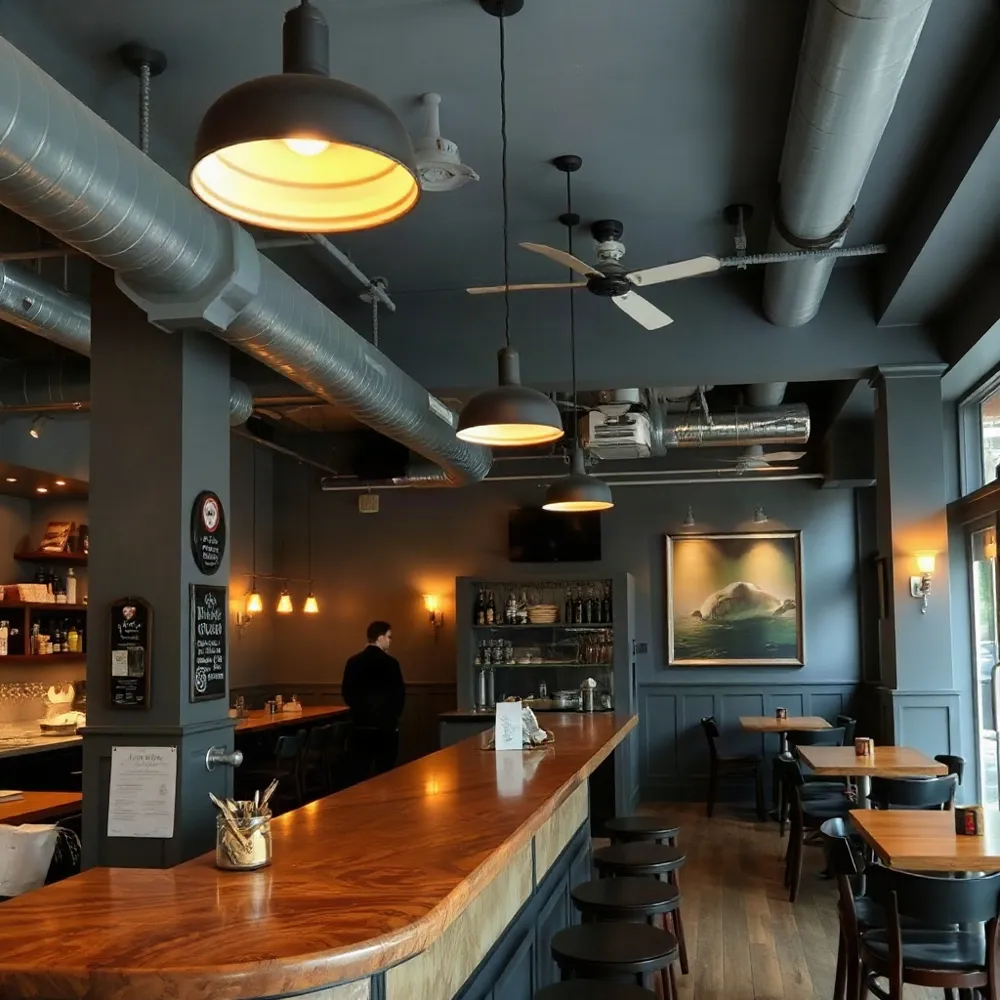
Can a seafood restaurant be profitable? Yes, but there is no guaranteed return. Your results will depend on sales, operating costs, location, and how the restaurant runs day to day. Shuckin’ Shack offers a neighborhood-style East Coast seafood-bar experience with a coastal vacation feel, a distinct concept for markets far from the ocean. But that identity does not remove the risks of opening a restaurant.
The supplied context gives a total investment estimate of $500,000 to $1.5 million. Treat that as a starting point, not a fixed quote: published estimates can vary, and the current Franchise Disclosure Document (FDD) is the place to review applicable costs, fees, and any financial performance information.
Before deciding, build a realistic picture of the market and the cash needed to operate through the early stages. Consider:
- Local demand for seafood and casual dining, along with nearby competitors.
- Site selection, lease terms, and build-out costs.
- Seafood sourcing options, availability, and pricing.
- Labor expenses and the staffing needed to deliver consistent service.
- Working capital to cover expenses while sales build toward steady operations.
Then weigh the support against the role you want as an owner. Shuckin’ Shack describes training, marketing, and ongoing operational assistance; assess whether those resources fit your experience and how hands-on you plan to be. Read the FDD carefully, discuss questions with qualified legal and financial advisers, and use conservative assumptions when judging whether the investment suits your goals.
Make the Coast Feel Close
A coastal-inspired restaurant can feel at home far from the shoreline when its atmosphere, menu, and local presence tell a consistent story. For prospective owners, the practical work is to learn what nearby diners want, keep online details current, and create reasons for neighbors to gather. Shuckin’ Shack brings a recognizable East Coast oyster-bar identity to that opportunity, with a neighborhood-style setting designed for locals and visitors.
Build that welcome on real relationships. NOAA Fisheries encourages consumers to get to know seafood providers, and its direct seafood marketing overview offers additional context on seafood supply relationships. Verify any sourcing claims, local availability, and costs before putting them in your marketing. Ask the franchise team what marketing resources and operational support are available, then adapt plans to your market.
A landlocked address does not rule out a place where guests can enjoy seafood, feel welcomed, and return to meet their community. The coast can be close in the experience a restaurant creates.