
Support Beyond Opening Day
A restaurant franchise can give you a starting point, but what happens after you sign matters just as much as the opening plan. Ask what guidance is available before launch, who you can contact when daily questions come up, and how support continues once the restaurant is operating.
Shuckin’ Shack pairs a casual oyster-bar concept with a coastal vacation feel and says its support comes from operators who have built the business themselves. For a prospective owner, that means asking how their experience translates into practical help with preparing to open, serving guests, and handling the demands of a neighborhood seafood restaurant. Franchise systems may offer training and operational guidance, but the scope varies by brand, as Escoffier’s guide to restaurant franchising explains.
Support can provide procedures and a sounding board, not take ownership off your shoulders. You remain responsible for leading your team, managing finances and daily operations, and building relationships with the people in your community. Shuckin’ Shack’s hands-on approach may offer a place to turn for guidance, while your location’s results still depend on the work you put in.
A Coastal Concept With Local Appeal

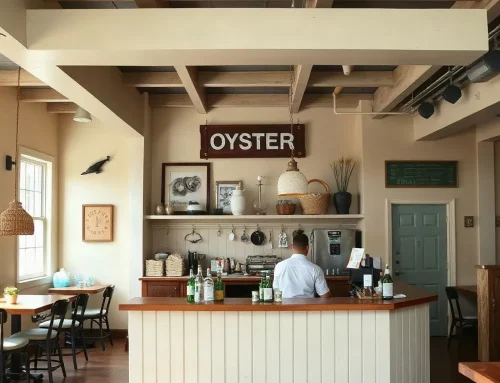
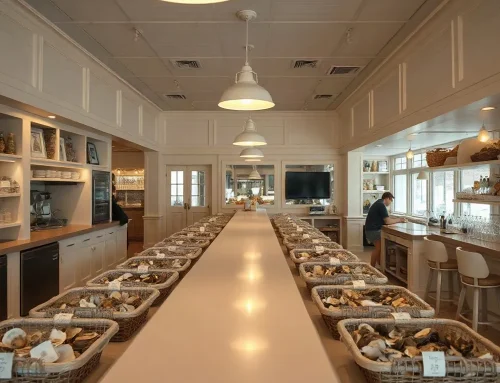
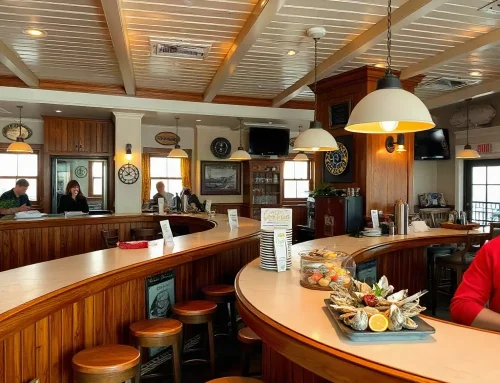
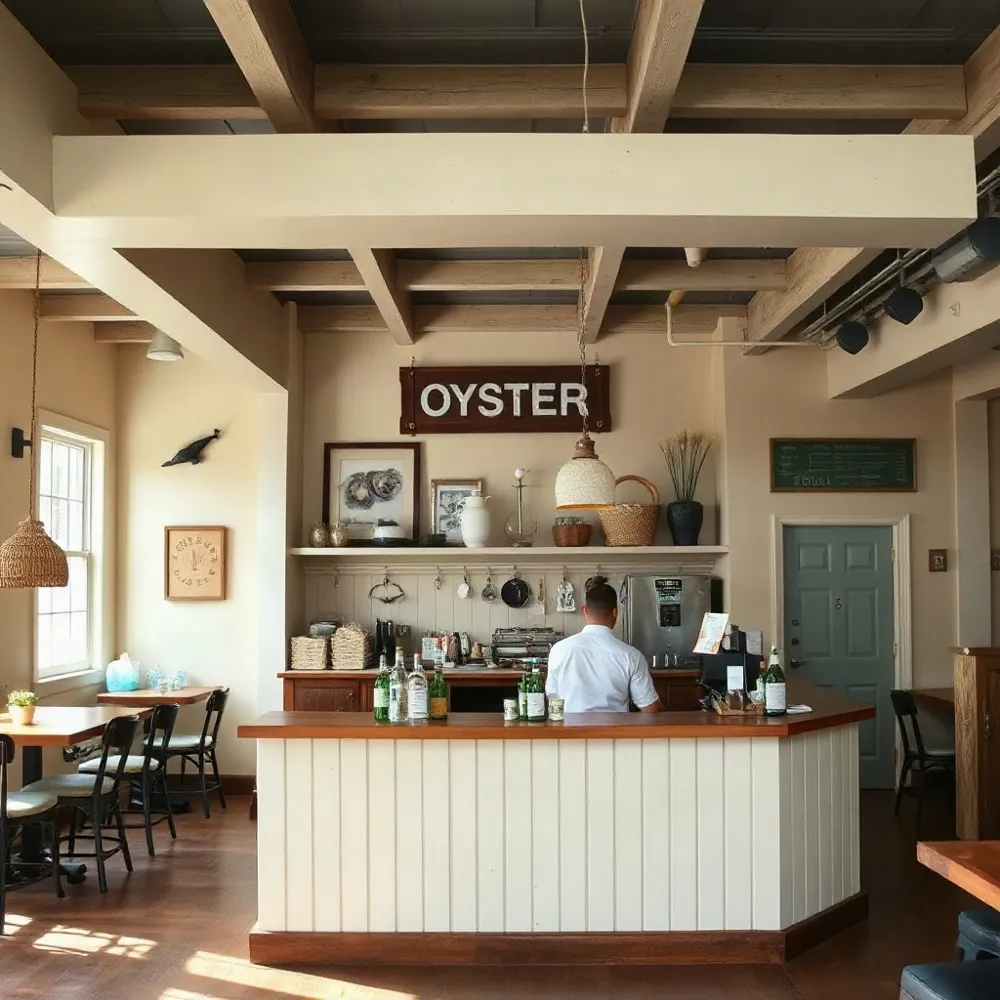
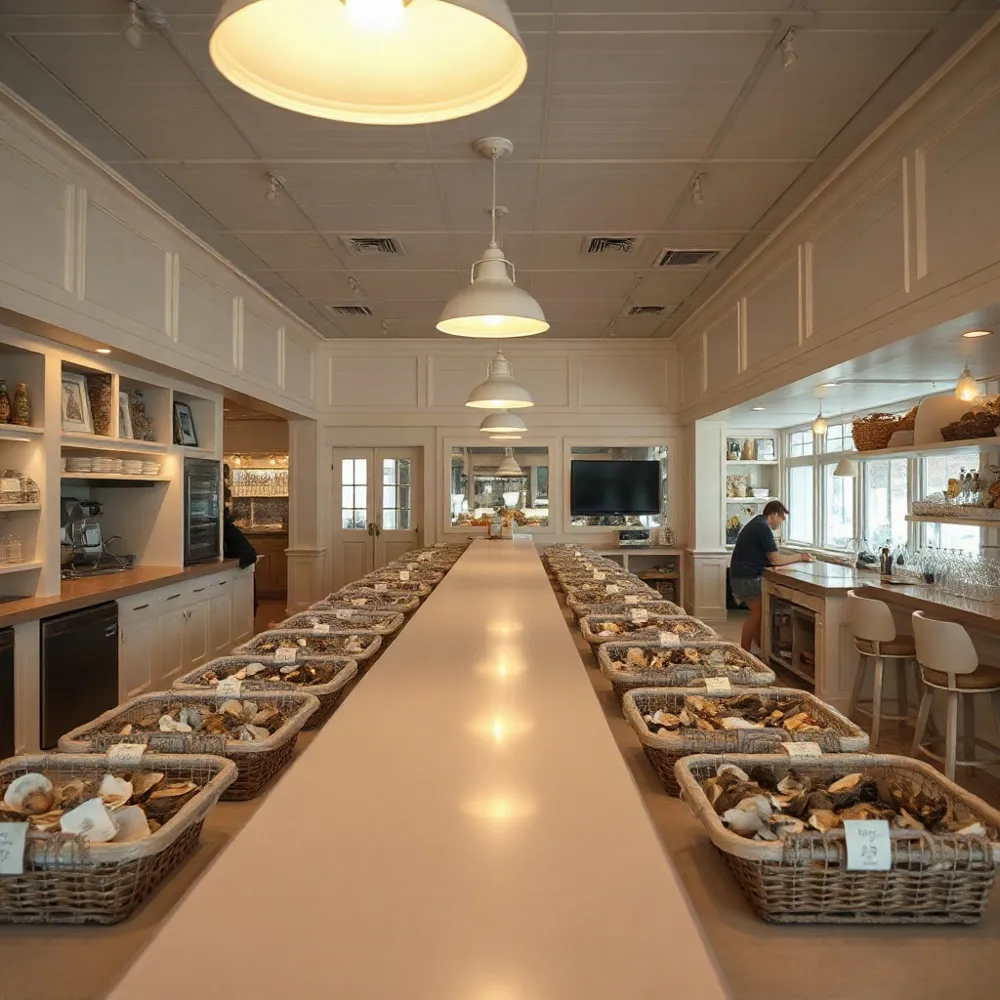
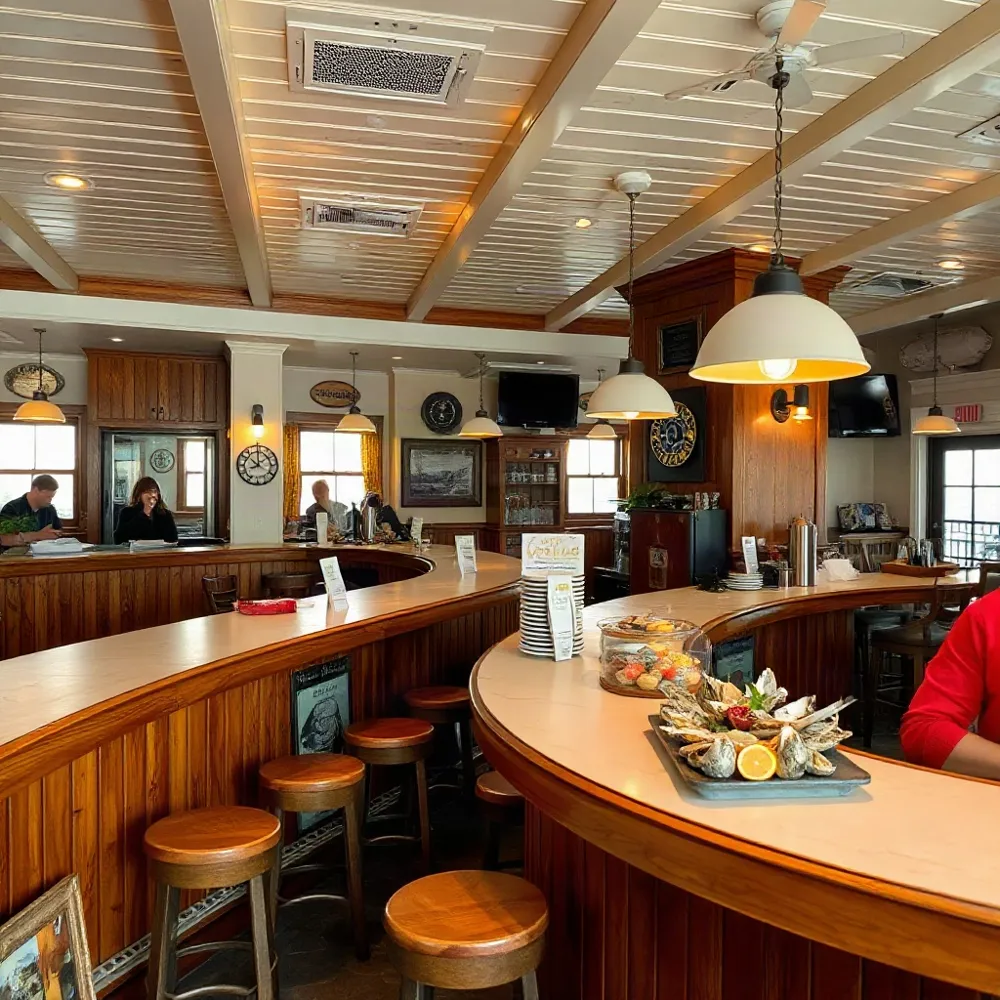
Imagine bringing an East Coast vacation feel to your community with a casual oyster bar that feels like a neighborhood gathering place. Shuckin’ Shack is designed to feel welcoming whether your guests live nearby or are visiting, and the concept travels well to U.S. markets far from the shoreline.
What makes Shuckin’ Shack different from other restaurant franchise concepts?
It’s the seafood focus and community-oriented atmosphere that set it apart from generic restaurant formats. Instead of relying on technology as the main attraction, Shuckin’ Shack puts genuine conversation and personal hospitality at the center of your customers’ experience. That gives you, as an owner, a clear way to shape the feel of your restaurant while building relationships with local guests.
Starting with an established brand and menu means you don’t have to create a seafood concept from scratch. You get a proven business system, training, and operational guidance. For specific investment details, including initial franchise fees and estimated startup costs, review the Franchise Disclosure Document (FDD) or contact Shuckin’ Shack directly. The FTC’s Franchise Rule page provides related regulatory information. Restaurant franchising guidance recommends assessing the support and agreement details before investing.
Shuckin’ Shack’s approach is hands-on, with support from operators who have built the business themselves. For you, that combination of a defined coastal identity, seafood menu, and operator experience offers a starting point for serving your local community while preserving the brand’s East Coast character.
What Hands-On Support Can Mean
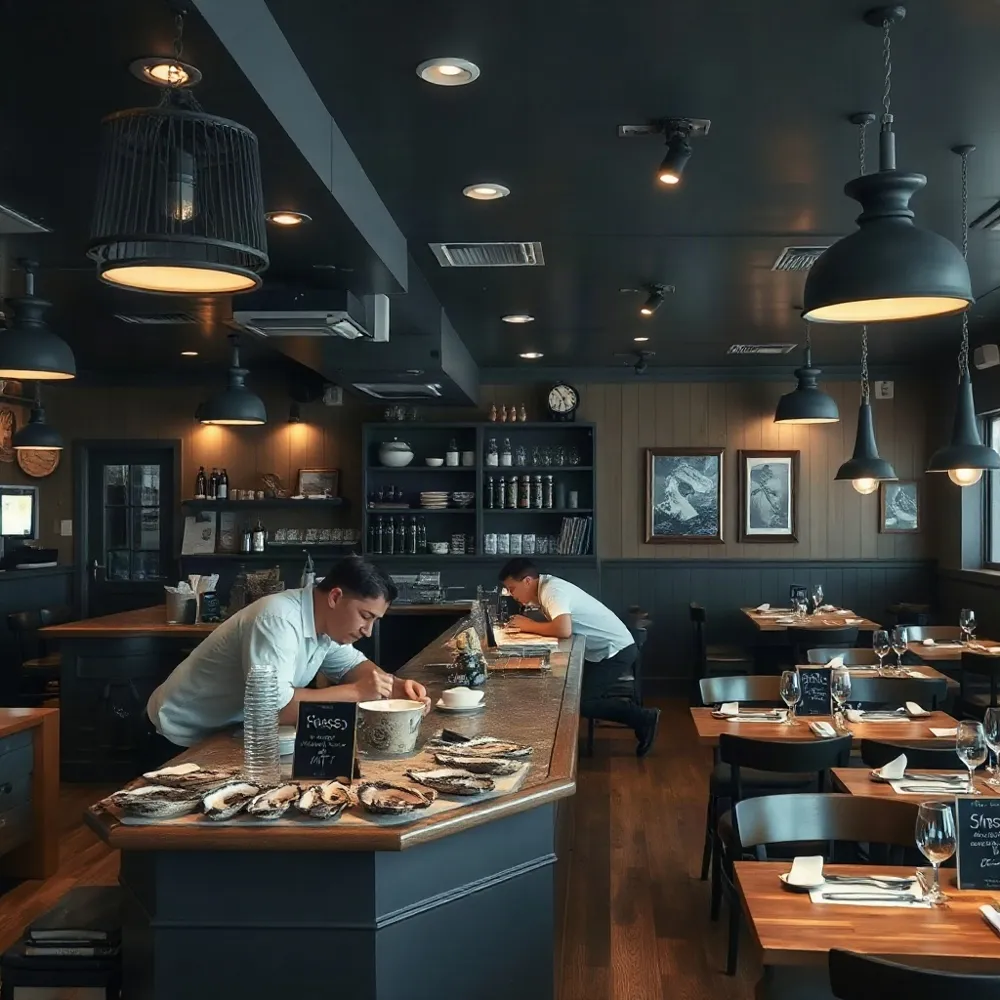
A franchise can give you a place to start, but the practical value lies in what you can learn from people who have built and operated the business. Shuckin’ Shack describes its support as hands-on, with guidance on the coastal seafood shack concept and beach-themed interior design, marketing support tailored to the coastal lifestyle, and ongoing operational assistance. This support can help you understand the real-world investment involved in opening a coastal seafood shack, from initial costs to ongoing expenses.
That kind of training and operating guidance can give a new owner a framework for running a coastal seafood shack instead of requiring them to create every process alone. Training may cover operating procedures specific to seafood handling and day-to-day management of a beachside eatery, though the form and scope of support vary by franchise.
Shuckin’ Shack’s training program, Shuckin’ Shack University, is part of the brand’s stated approach to preparing new owners for the unique demands of a coastal seafood franchise. Franchisee Margaret Marcum said the training was instrumental to the launch she and her husband undertook, helping them navigate the specifics of the coastal market. Her account offers one owner’s perspective, not a promise that every franchisee will have the same experience.
As you evaluate the opportunity, ask the franchise team what the current training program covers and how ongoing assistance works in practice. Find out how owners receive operational guidance, what marketing support includes for promoting a coastal vibe, and who they can contact when questions arise. Clear answers can help you understand the support available before you commit.
The Real Work Of Restaurant Ownership
An established concept can give you a place to begin, but the day-to-day work still belongs to the owner. Shuckin’ Shack pairs its coastal oyster-bar identity and seafood menu with training, marketing, and operational support, while each franchisee remains responsible for running the local restaurant.
That work includes watching costs, leading a team, responding to guests, and finding ways to retain employees. Restaurant ownership also brings financial and operational uncertainty: a familiar brand and a support network can offer guidance, but neither guarantees results or makes the business passive. The U.S. Small Business Administration’s overview of franchising notes that franchisees remain responsible for their restaurant’s success and recommends weighing support alongside fees, royalties, and other agreement terms.
There can be a personal side to the responsibility, too. Owners may enjoy getting to know regular guests, helping employees grow, and creating a welcoming, family-like atmosphere. For a neighborhood seafood bar with a coastal feel, those relationships can shape how the restaurant becomes part of its community.
Support from people who have operated the concept can help an owner prepare for decisions and find answers when questions come up. It cannot predict every local challenge or replace the owner’s judgment. Labor needs, costs, and customer expectations vary by market, so each Shuckin’ Shack location may face a different mix of demands.
Understanding The Investment Range

What does it cost to open a Shuckin’ Shack franchise? The current published estimate lists a total investment range of $471,800 to $1.4 million, with the actual amount depending on the location and its development requirements. The roughly $500,000 to $1.5 million figure is a rounded version of that estimate, not a promise that every owner’s costs will be the same.
The current published estimate lists a total range of $471,800 to $1.4 million and an initial franchise fee of $45,000. Treat those figures as estimates, not as a substitute for current official information. They may not reflect the costs for a specific site or the latest terms.
Site selection and build-out are among the factors that can move the budget. A space that needs substantial construction or other preparation may require a different investment than one that is closer to the restaurant’s needs. The brand’s coastal oyster-bar concept features a specific design and menu that influence build-out costs, but the final investment depends on the property’s condition and development requirements.
Before making a decision, request and review the current Franchise Disclosure Document (FDD). The FTC’s Franchise Rule page provides related regulatory information. It provides detailed information about estimated investment, fees, obligations, and other terms. Have a licensed franchise attorney review the current document and agreement as well.
Budget for your own circumstances rather than treating a published range as a complete forecast. The final amount may depend on the site, construction needs, and other costs described in the current disclosure materials. Training and operational support can offer a framework for opening and running the restaurant, but they do not guarantee profitability or remove the financial risks of ownership.
Questions To Ask Before Committing
Before choosing a franchise, get specific about what help looks like in practice. Shuckin’ Shack describes its approach as hands-on support from operators who have built the business, but you should still ask what assistance is included, when it is available, and how it works at each stage.
What support is promised, and when?
Ask what pre-opening training covers, whether the franchisor helps with site selection or restaurant design, and who you can contact after opening with operational questions. Clarify what marketing resources are provided and whether there are extra costs. Franchise training and support vary by brand, so compare specific services rather than relying on broad assurances. The Franchise Disclosure Document includes information about training, assistance, fees, and franchisee obligations. The FTC’s Franchise Rule page provides related regulatory information.
What do current owners experience?
Speak with current franchisees, and, where possible, former ones. Ask how useful their initial training was, how responsive support has been during day-to-day operations, and what running a location demands of their time. Ask for examples of when they needed help and what happened next. Their experience can help you understand whether the support described during recruitment matches the reality of operating a restaurant.
Read the disclosure document and franchise agreement carefully, paying attention to estimated investment, fees, required contributions, operating obligations, and exactly what training and support the documents promise. A coastal seafood concept like Shuckin’ Shack may appeal if you want a defined brand and operating model rather than building one from scratch, but ownership still calls for active involvement with staff, guests, and local operations.
Consider asking a franchise attorney to review the documents before you sign. A careful review can help you spot the difference between services that are contractually described and general statements about support. The goal is not to remove every uncertainty, but to decide whether the practical help and hands-on work suit your expectations.
A Better-Informed First Step
Restaurant ownership does not have to mean figuring out every decision alone. A franchise can offer a framework, training, and ongoing guidance, though the form and extent of support vary by brand, as restaurant franchising guidance explains.
Shuckin’ Shack pairs a coastal neighborhood-style seafood concept with hands-on support from operators who have built the business themselves. That combination can give you a starting point for serving a local community, but it is not a promise of financial results. Owners still lead their teams and manage the daily work of running a restaurant.
Before moving forward, compare the guidance you need with what the current written terms actually provide. Review the Franchise Disclosure Document and agreement, understand the stated investment range, and consider whether the day-to-day responsibilities fit your goals. Clear answers can help you decide whether this coastal concept and its support approach suit the business you want to build.