A Neighborhood Oyster Bar With Coastal Character
Choosing a restaurant franchise means weighing more than a menu. You need to decide whether the concept fits your goals, available capital, and the people who live and gather in your market.
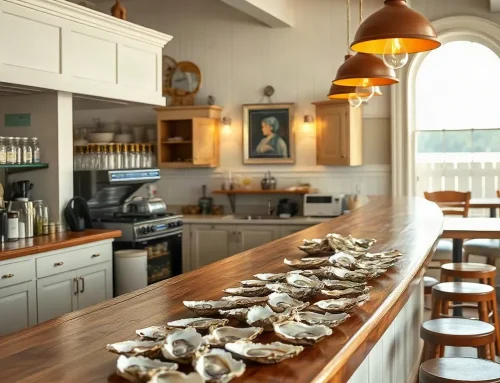
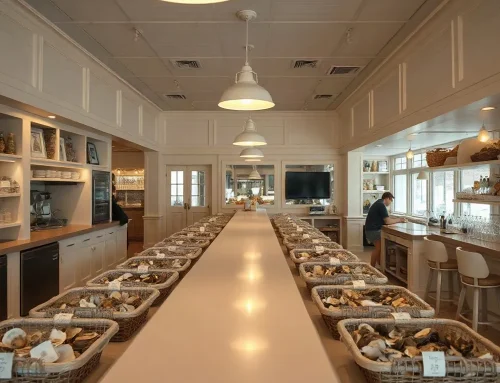
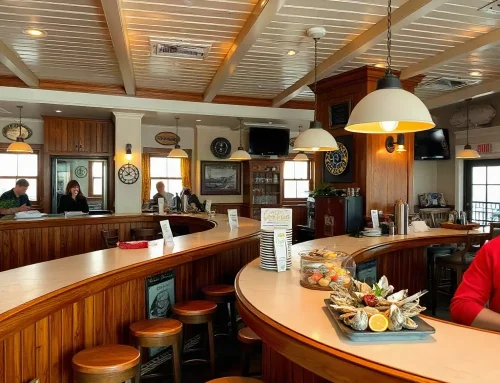
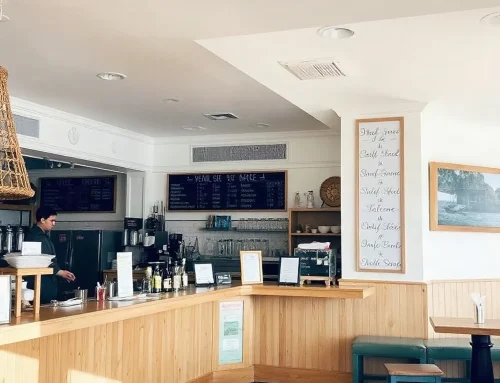
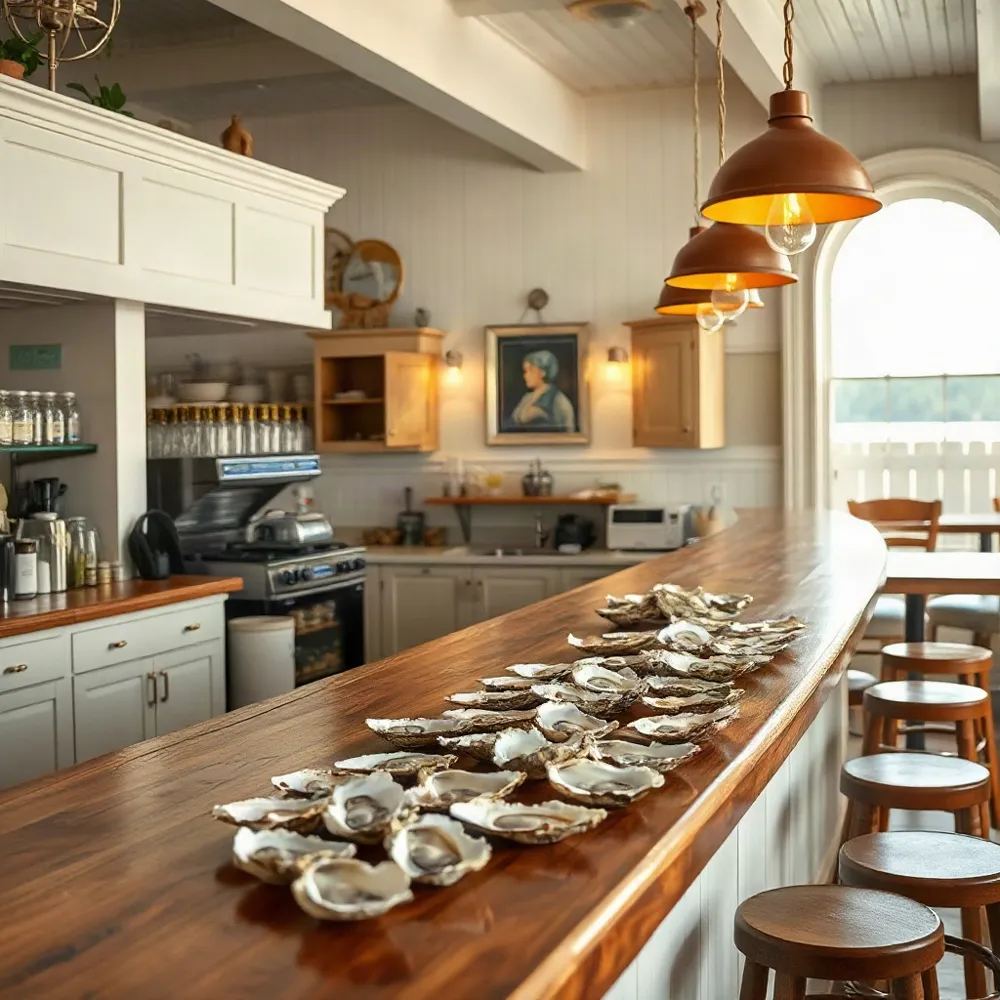
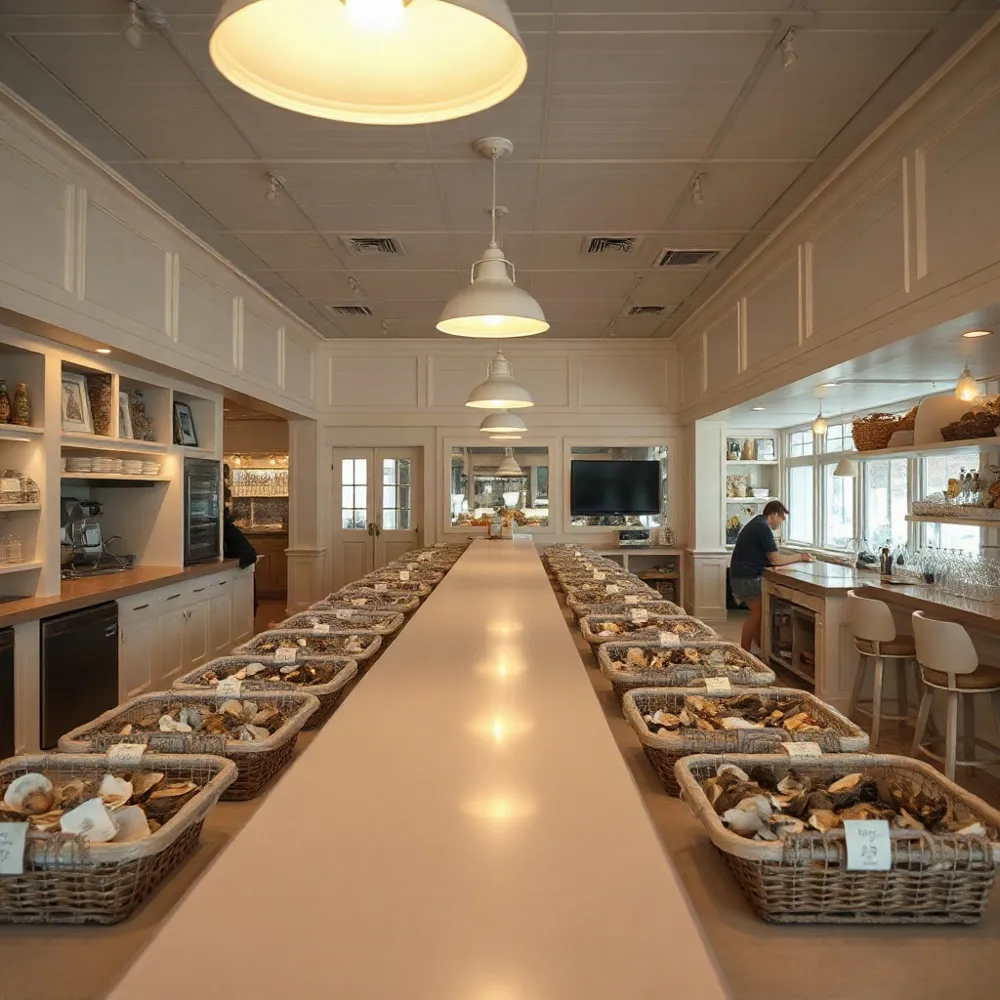
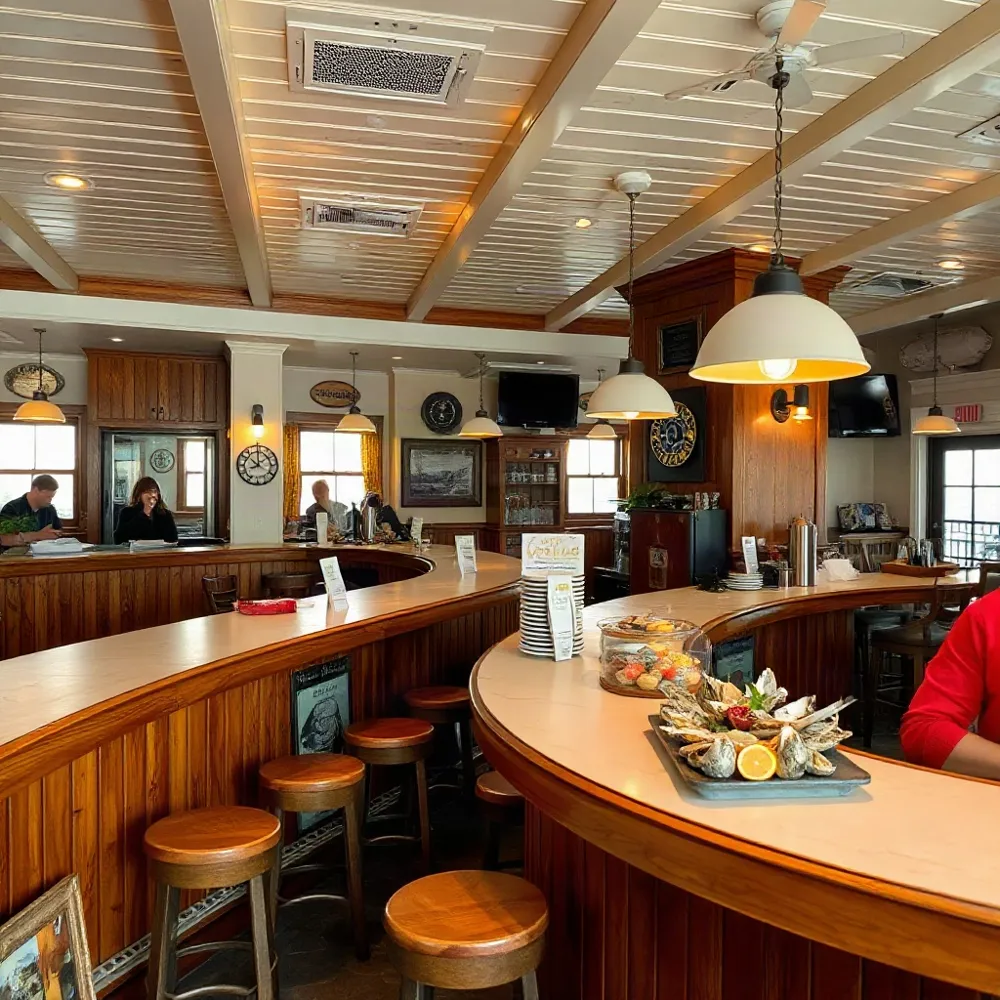
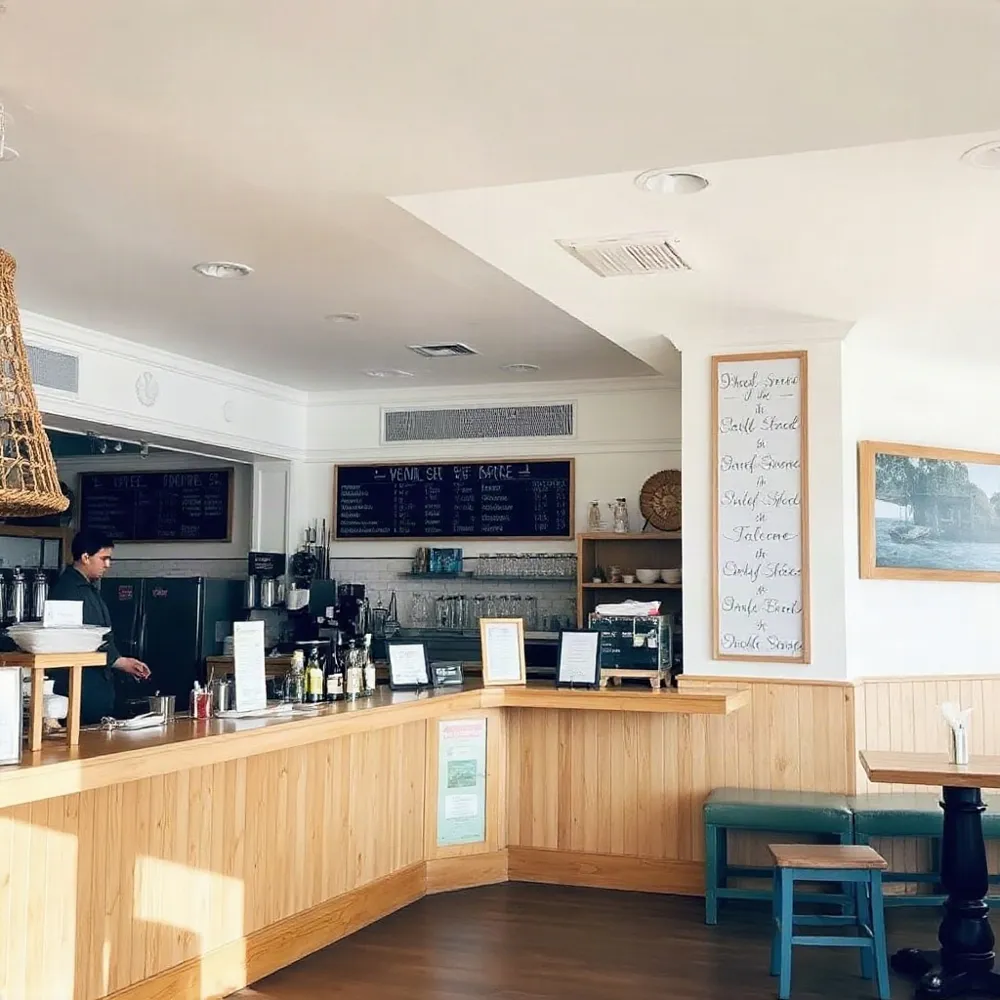
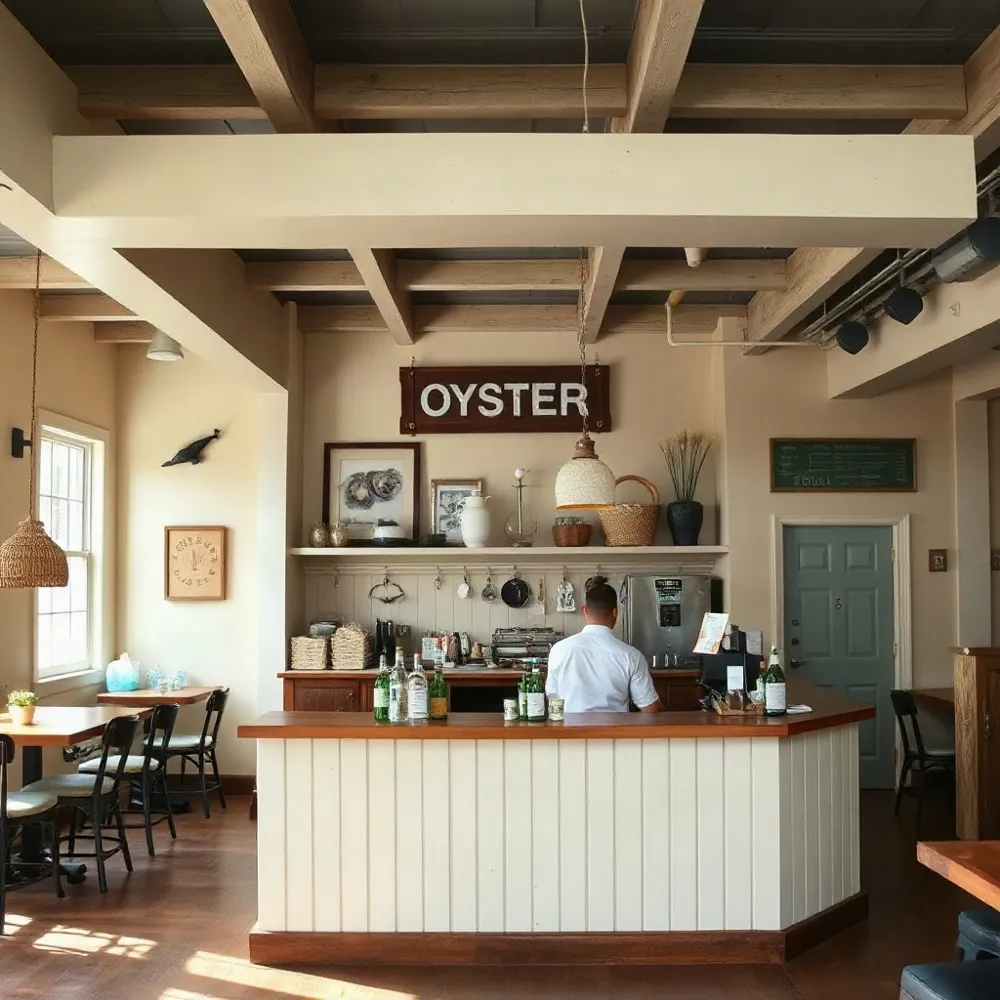
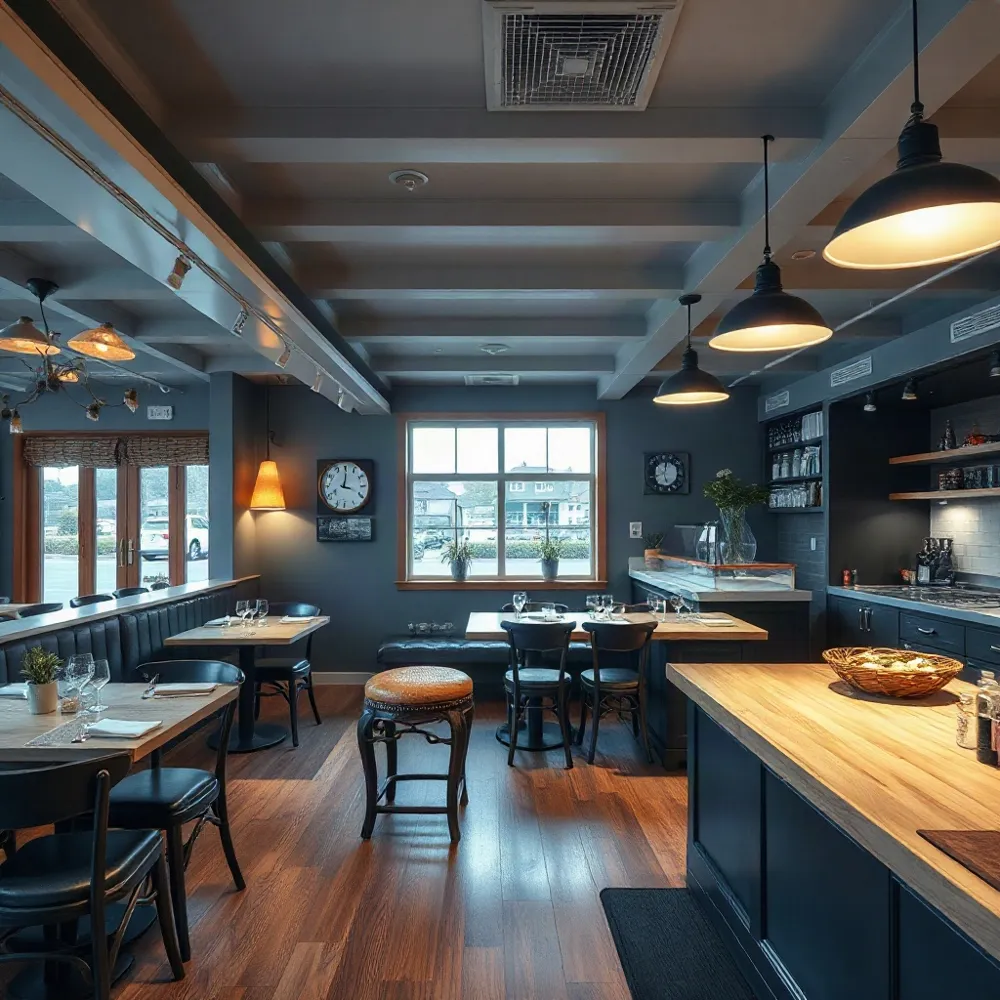
Shuckin’ Shack is a coastal-themed oyster bar built around seafood, a relaxed atmosphere, and community relationships. Its neighborhood-style setting aims to make regulars of local residents while giving guests a taste of the coast, even far from the shoreline.
Before moving forward, review the current Franchise Disclosure Document (FDD) and ask how the investment figures apply to your plans. Any reported sales describe past performance under stated conditions, not guaranteed revenue or profit. Broader restaurant trends can offer context, but they cannot predict how an individual location will perform.
What Makes The Concept Distinctive
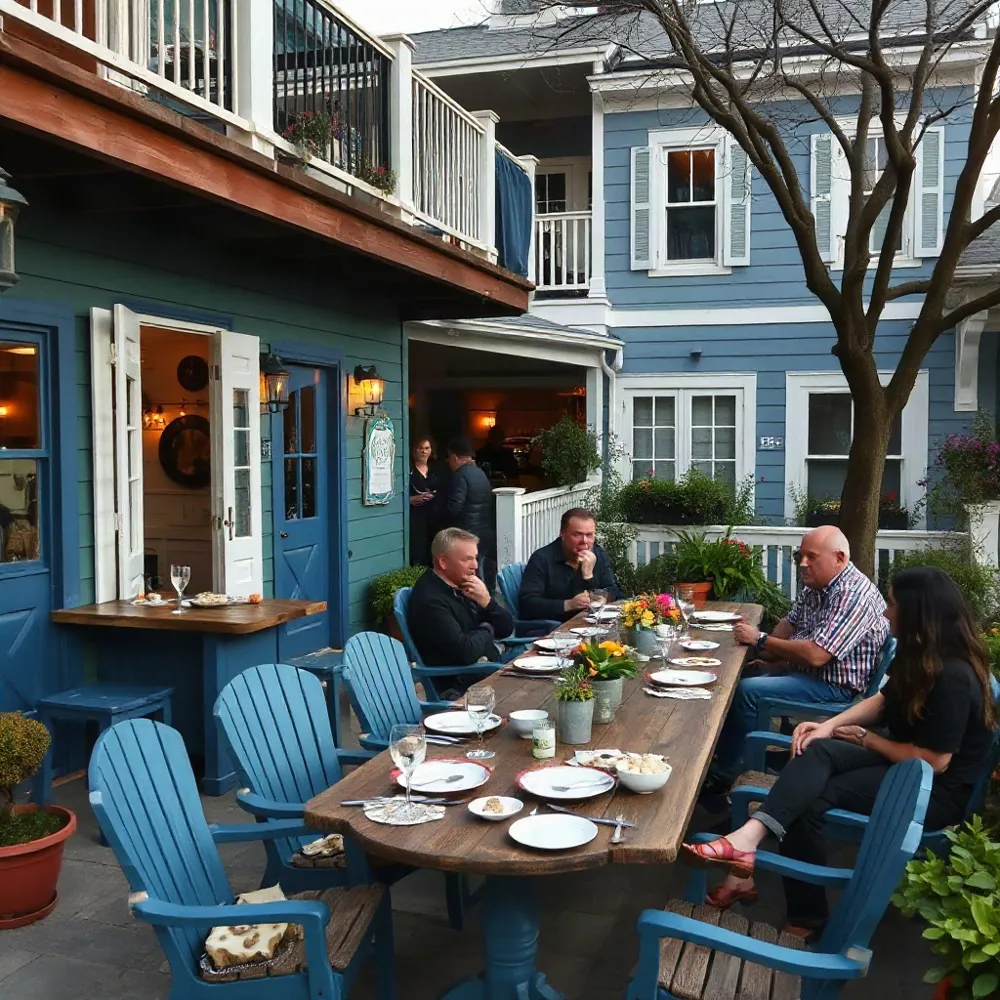
A restaurant’s character comes through in more than its menu. Shuckin’ Shack Oyster Bar began in Carolina Beach, North Carolina, in 2007, when founders Matt Piccinin and Sean Cook saw an opportunity to serve people looking for an oyster bar. Their first restaurant covered 900 square feet, a modest start for a concept built around seafood and an easygoing coastal atmosphere. Entrepreneur’s franchise profile offers background on the brand’s beginnings.
The menu extends beyond oysters. Guests can find other seafood alongside drinks, snacks, salads, and sandwiches, giving neighbors different reasons to drop in for a meal or a casual visit. The setting is designed to feel relaxed and welcoming rather than formal.
For a prospective owner, the distinction is the combination of a coastal feel with a neighborhood-minded approach. The brand’s founders built the concept around community relationships, and the East Coast-inspired atmosphere is intended to travel beyond coastal markets. Whether that mood and menu fit a particular town is a local question, not something any concept can answer in advance.
That’s why it’s important to look at your local dining habits, nearby seafood options, and the kinds of gatherings residents want from a neighborhood restaurant. No industry report can tell you if your town is ready for an oyster bar; only your own research can.
Understand The Investment And Sales Figures
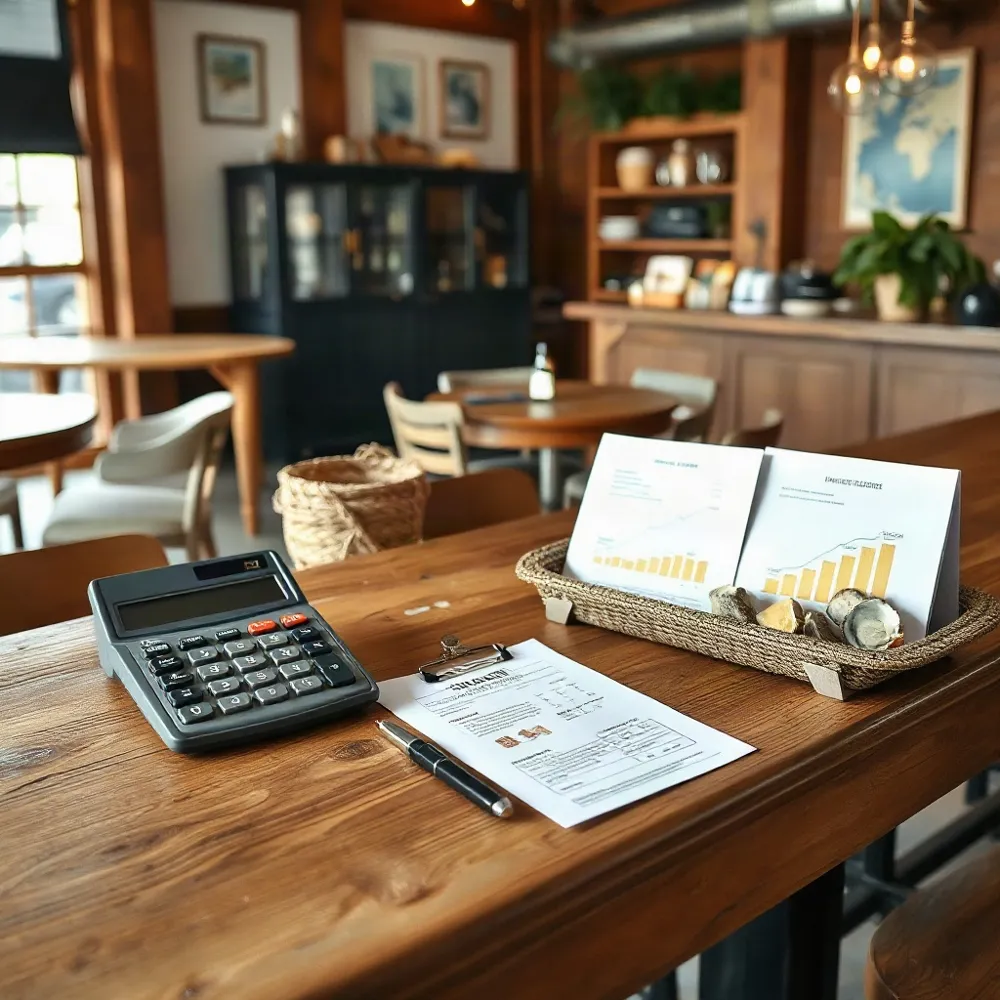
How much does it cost to open a Shuckin’ Shack franchise? A 2026 FDD summary puts the estimated initial investment at $500,000 to $1.5 million, including a listed initial franchise fee of $45,000. Treat those figures as a starting point, not a quote: review the latest Franchise Disclosure Document (FDD) to confirm current costs, working-capital needs, and terms.
Construction and leasehold improvements are a major source of variation, listed at $232,000 to $805,893 in the summary. Your site, build-out, and local operating needs can affect the total, so plan for expenses beyond the initial fee. The National Restaurant Association’s 2026 industry report also describes rising costs and uneven customer traffic as pressures facing restaurant operators broadly.
Ongoing charges also shape the economics. The summary lists royalties of 3.5% of gross sales in year one, 4.5% in year two, and 5.5% from year three onward, plus a 1.5% brand development fund contribution. It also identifies local marketing, point-of-sale, technology, and possible advertising cooperative fees as charges to verify in the current FDD.
Sales figures need careful reading. For restaurants over 2,000 square feet that operated seven days a week for both lunch and dinner, the summary reports average gross sales of $1,691,407 in 2023, $1,683,568 in 2024, and $1,656,918 in 2025. These are gross sales, not profit, and the figures apply only to that defined group of locations.
Within the same group, 2025 median gross sales were $1,580,332, with a high of $2,551,214 and a low of $921,436. That spread shows why averages cannot predict an individual restaurant’s results. Compare the figures with the assumptions in your own plan, then discuss the FDD’s sales disclosures and operating costs with current franchisees and qualified advisers.
Assess Training And Owner Support
Training and opening guidance can help you move from a business plan to a restaurant ready to welcome neighbors. Shuckin’ Shack’s reported initial program, Shuck U!, includes more than 140 hours of classroom and hands-on instruction, according to Entrepreneur’s franchise profile.
Support is described as covering site selection, build-out, design, strategy, and grand-opening preparation, with ongoing assistance after opening. Digital marketing and social-media advertising guidance can help owners build local awareness, though it does not guarantee customer traffic or sales. Ask the franchisor what help is available at each stage and speak with current franchisees about their experience.
Prior restaurant or hospitality experience is not required, but business-management skills and commitment to the community are valued. A 2026 franchise article lists $250,000 in liquid assets as an eligibility criterion; confirm the current requirement in the FTC Franchise Rule and directly with the franchisor.
The expected time commitment also depends on the ownership model. The reported first-year guidance is at least 65 hours per week for owner-operators and 25 to 30 hours for semi-absentee owners. These are expectations, not guarantees: staffing, opening demands, and local conditions can affect the workload.
Test The Opportunity In Your Market
A coastal-style oyster bar still has to earn a place in its own community. Before choosing a territory, look at local demand, nearby seafood and casual-dining options, customer price expectations, labor availability, seafood sourcing, seasonality, and the cost of a suitable site. Shuckin’ Shack’s neighborhood-focused coastal concept gives you a defined format to test against those local habits, rather than asking you to invent a restaurant identity from scratch.
Broad industry figures can provide context, but not a forecast for your restaurant. IBISWorld’s 2026 analysis puts the U.S. chain-restaurant industry at $230.6 billion and describes competition as high and increasing. Those figures cover a wide range of chains, not oyster bars specifically. The National Restaurant Association’s 2026 outlook also notes uneven traffic and rising costs, reminders to test your assumptions about sales, staffing, and margins locally.
Review the full, current Franchise Disclosure Document (FDD) with a qualified franchise adviser before committing. Check the investment estimates, ongoing fees, any available financial performance representations, outlet openings and closures, territory provisions, and contract terms. If you are weighing an independent restaurant against a franchise, compare the franchise fees and operating obligations with the work of creating your own menu, brand, training, and marketing plan.
Talk with several current and former franchisees, including owners in markets that resemble yours. Ask about day-to-day staffing, seafood supply, customer response, support, and how actual costs compare with expectations. Shuckin’ Shack’s reported sales figures cover a specific group of locations, and results vary within that group; they are gross sales, not profit or a promise of future performance. Confirm the applicable disclosures in the current FDD, and consider whether your proposed site’s size and operating schedule match the group used for those figures.
Make The Decision With Clear Eyes
A coastal seafood concept may suit you if its investment, hands-on demands, and neighborhood appeal fit your plans. Shuckin’ Shack’s casual oyster-bar format brings a coastal feel to local communities, but that fit needs to be tested in your market.
Before committing, review the current Shuckin’ Shack franchise investment details and disclosure documents, check site and customer assumptions, and speak with existing franchisees. Broad industry forecasts, including the National Restaurant Association’s 2026 outlook, cannot predict one location’s results. Make the decision only when the costs, responsibilities, and local opportunity make sense to you.