Start With the Full Picture
If you are considering a Shuckin’ Shack Oyster Bar, plan beyond the franchise fee. A coastal-style seafood restaurant also needs a suitable location, build-out, equipment, opening costs, and enough working capital to support the business as it gets established.
Start by understanding the reported investment, then test whether local demand supports the concept. From there, compare funding routes and check lender requirements before making commitments. The SBA loan programs may be one option to explore, but eligibility and terms depend on the borrower and project.
Treat any published estimate as a starting point, not a final budget. Confirm current investment figures and any financing availability in Shuckin’ Shack’s current Franchise Disclosure Document, then verify details with the franchisor and prospective lenders. The numbers should reflect your location, funding plan, and capacity to manage delays or unexpected costs.
Understand the Opening Investment
How much does it cost to open a Shuckin’ Shack franchise?
The estimated initial investment is $500,000 to $1.5 million. That range includes a $45,000 initial franchise fee and a separate $15,000 training and opening fee. Treat these as planning estimates, not a quote for a particular address. Ask Shuckin’ Shack for its current Franchise Disclosure Document (FDD) and review the franchise investment details alongside a location-specific estimate before deciding.
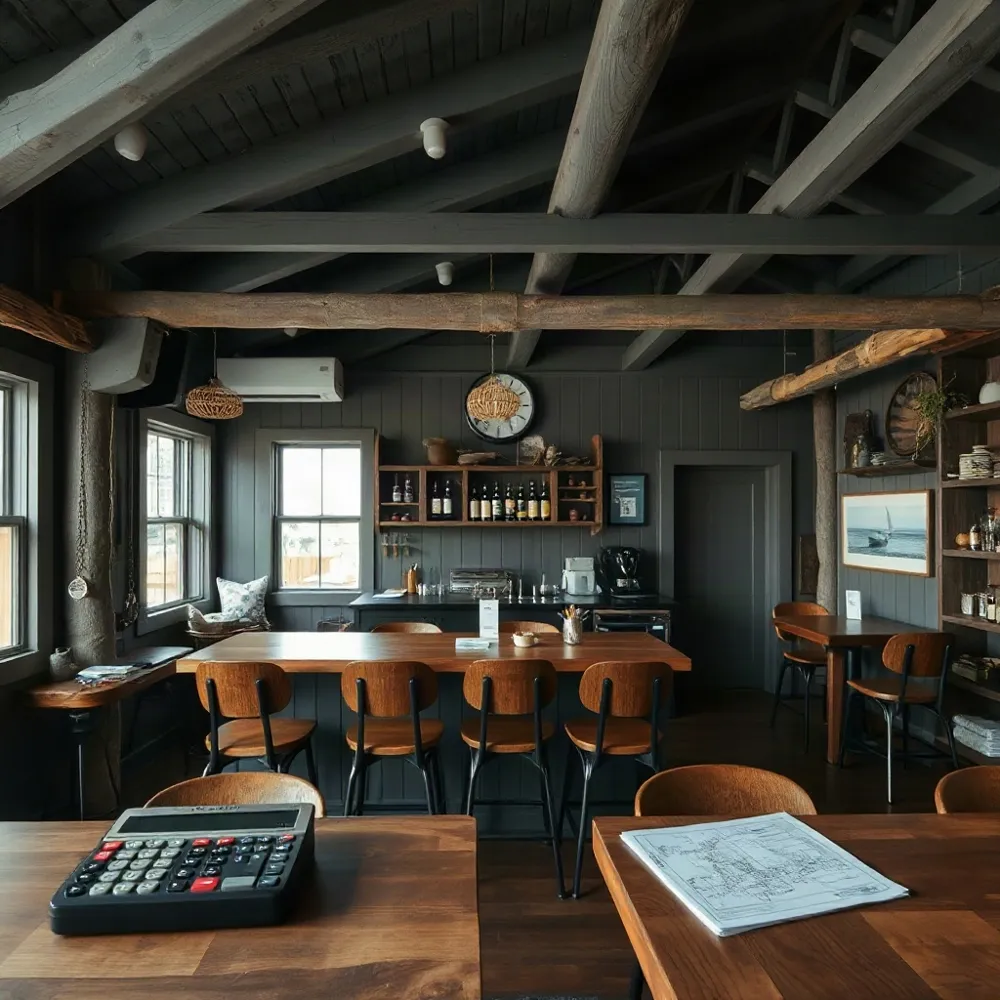
Construction and leasehold improvements are a major source of variation, estimated at $232,000 to $805,893. The condition of a site and the work needed to prepare it can move the total substantially, so compare actual property and build-out estimates rather than relying on a general range.
What fees are included in the total cost of opening a Shuckin’ Shack?
Beyond the franchise and training and opening fees, the opening budget includes lease deposits and three months’ rent; furniture and equipment; signage; point-of-sale hardware and software; grand-opening marketing; and initial inventory. It also accounts for utility and insurance deposits, travel for initial training, professional fees, licenses and permits, and three months of additional operating funds.
These opening costs are distinct from ongoing royalties and other recurring fees. The current FDD provides detailed estimates and fee terms, but your lease, local requirements, and build-out will shape your actual budget. Review it with qualified financial and legal advisers, and ask for estimates tied to the specific site you are considering.
Match the Funding to the Plan
What financing options might be available for a Shuckin’ Shack franchise? Possible routes include personal savings, a bank loan, or an SBA-backed loan. Each depends on your financial circumstances, the lender’s requirements, and approval. The SBA loan programs offer one route to explore, but they do not guarantee financing for a particular applicant or location.
Some franchisors provide financing or connect applicants with preferred lenders. The information available here does not verify that Shuckin’ Shack offers either option, so ask the franchise team directly before including one in your plan. Its coastal seafood-bar concept comes with a stated estimated investment of $500,000 to $1.5 million, making it important to plan for the whole opening budget, not only the franchise fee.
Include working capital for operating costs as the restaurant establishes a customer base, alongside build-out, equipment, and other launch expenses. A lender may assess your credit history, down payment, business plan, experience, overall financial position, and projections for cash flow. Requirements differ, so avoid building your plan around a single assumed threshold or approval outcome.
Before committing, review the franchise disclosure documents and discuss your proposed funding with Shuckin’ Shack’s franchise team, prospective lenders, and a qualified financial adviser. Ask what documents lenders are likely to request and test whether your projections leave room for delays or slower-than-planned sales. A clear picture of both the investment and repayment obligations can help you decide whether the plan fits your finances.
Check Whether SBA Financing Fits
Can you use an SBA loan to finance a restaurant franchise?
Yes. An SBA-backed loan may help cover restaurant-franchise expenses such as startup costs, equipment, leasehold improvements, and working capital. What qualifies depends on the loan program and lender. You can review the SBA’s small-business loan programs as a starting point.
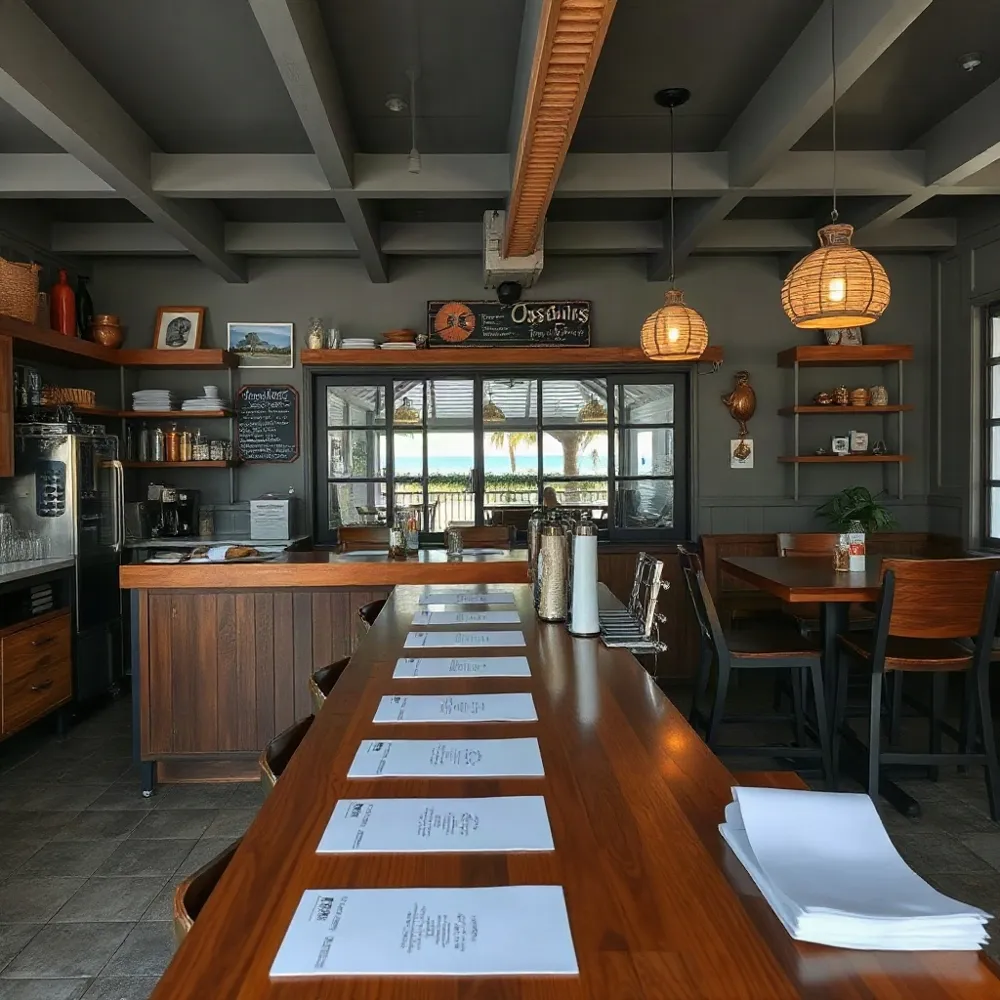
For a Shuckin’ Shack location, the estimated total investment is $500,000 to $1.5 million. That coastal-style oyster bar combines seafood with a casual, neighborhood feel, but the investment range does not determine how much a lender will approve. Applicants typically need to contribute some of their own funds, though the amount varies.
The SBA does not approve every applicant or guarantee that a particular Shuckin’ Shack project will qualify. Lenders assess your finances, business plan, relevant experience, repayment ability, and the franchise’s eligibility. The SBA Franchise Directory helps lenders and Certified Development Companies evaluate franchise eligibility. A directory listing is not an SBA endorsement and does not guarantee business success.
Before relying on SBA financing in your plan, ask SBA-approved lenders which opening costs may qualify, what documents they need, and how current rates, fees, repayment terms, and eligibility rules apply to your situation. You can also ask the Shuckin’ Shack franchise team for project details to share with lenders. Compare offers before committing, since program rules and loan terms can differ.
Test the Local Business Case
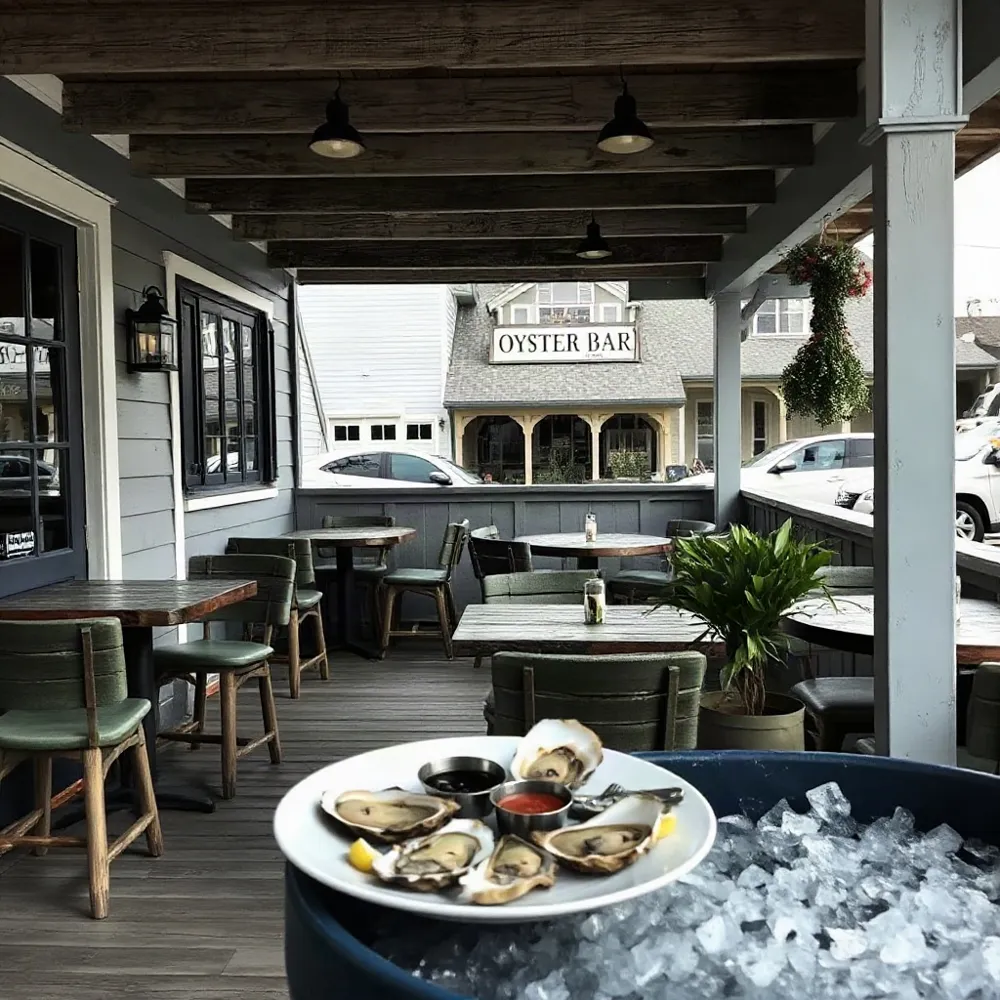
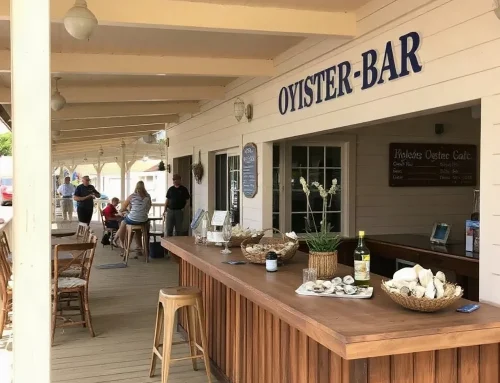
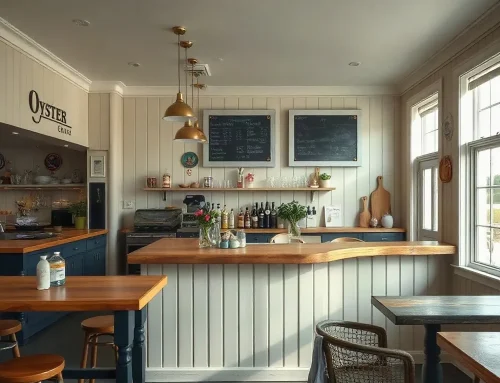
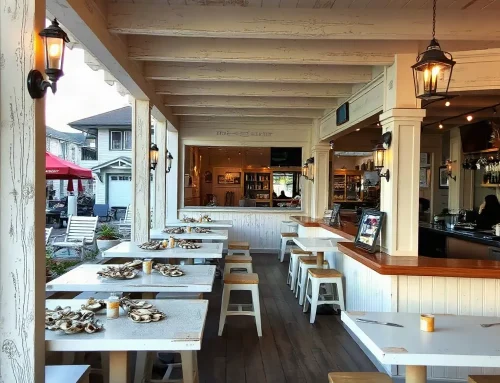
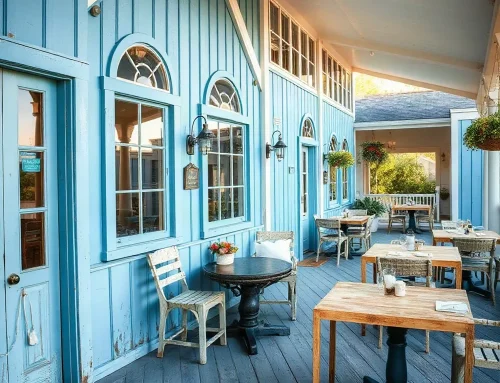
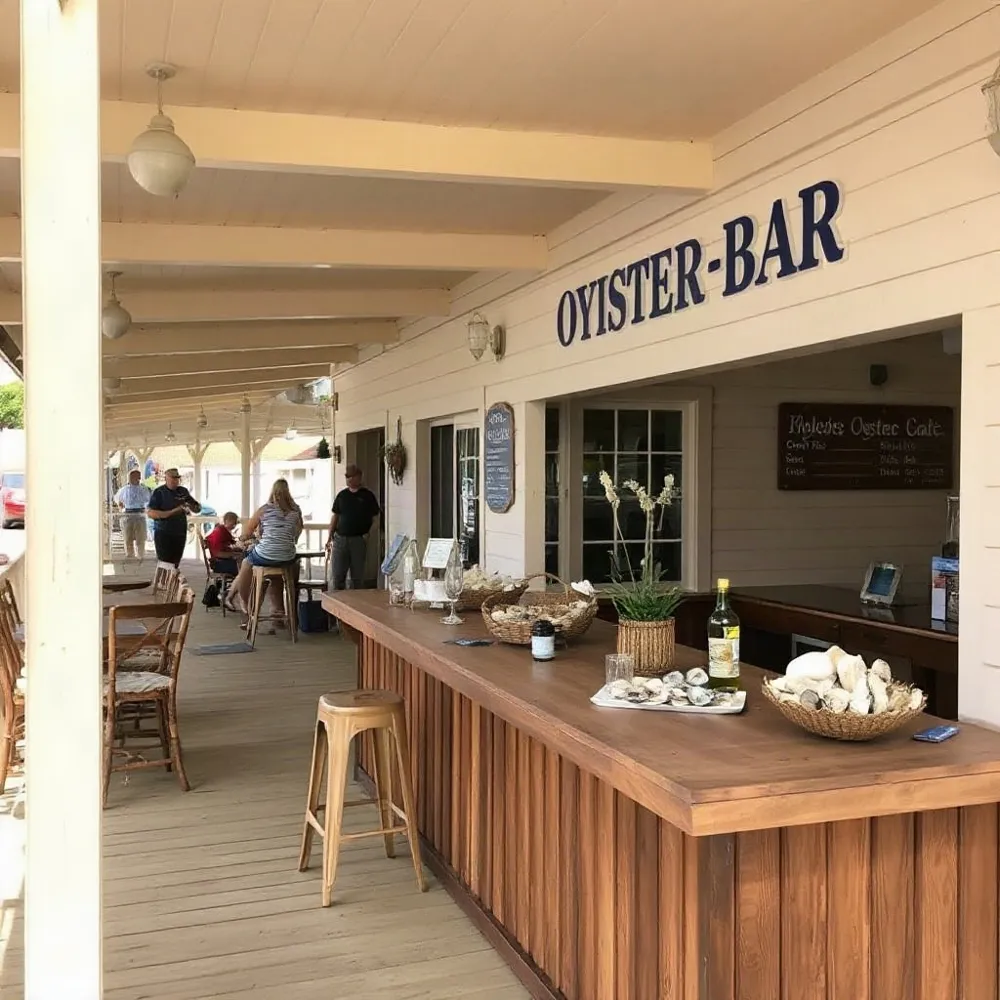
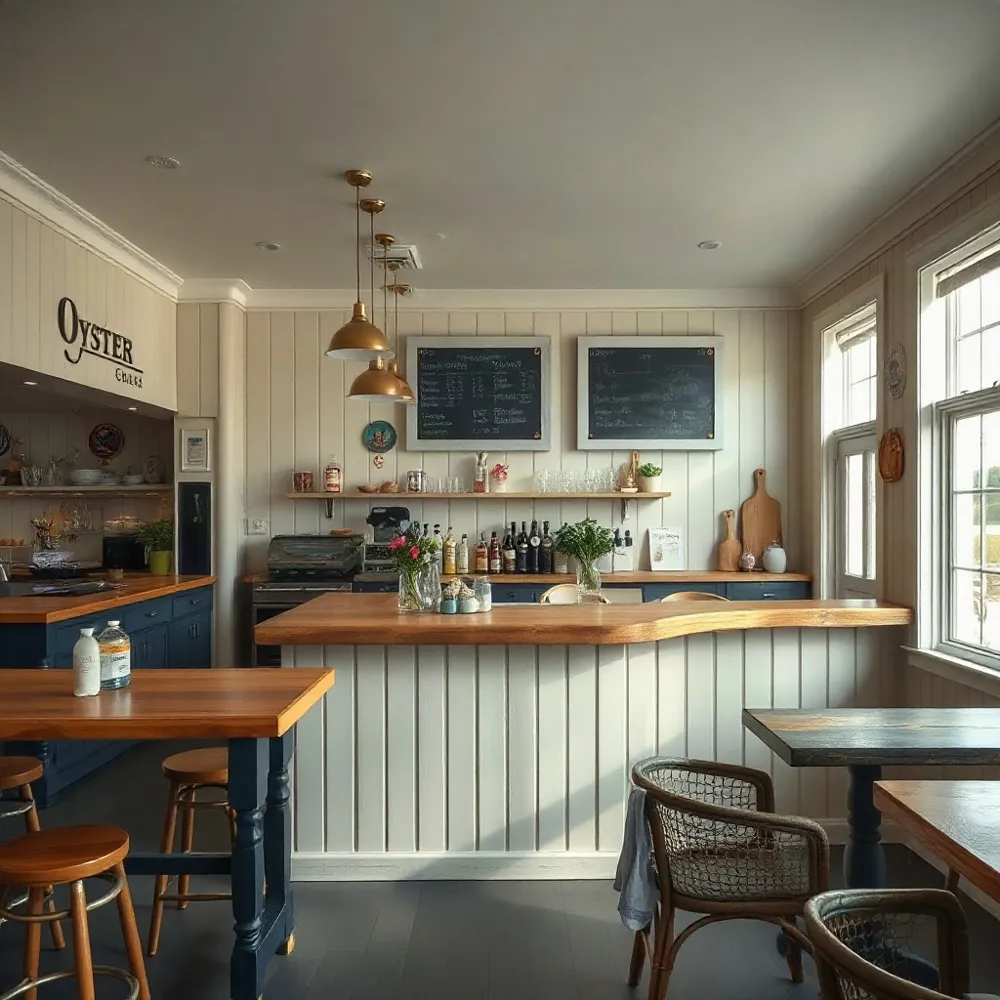
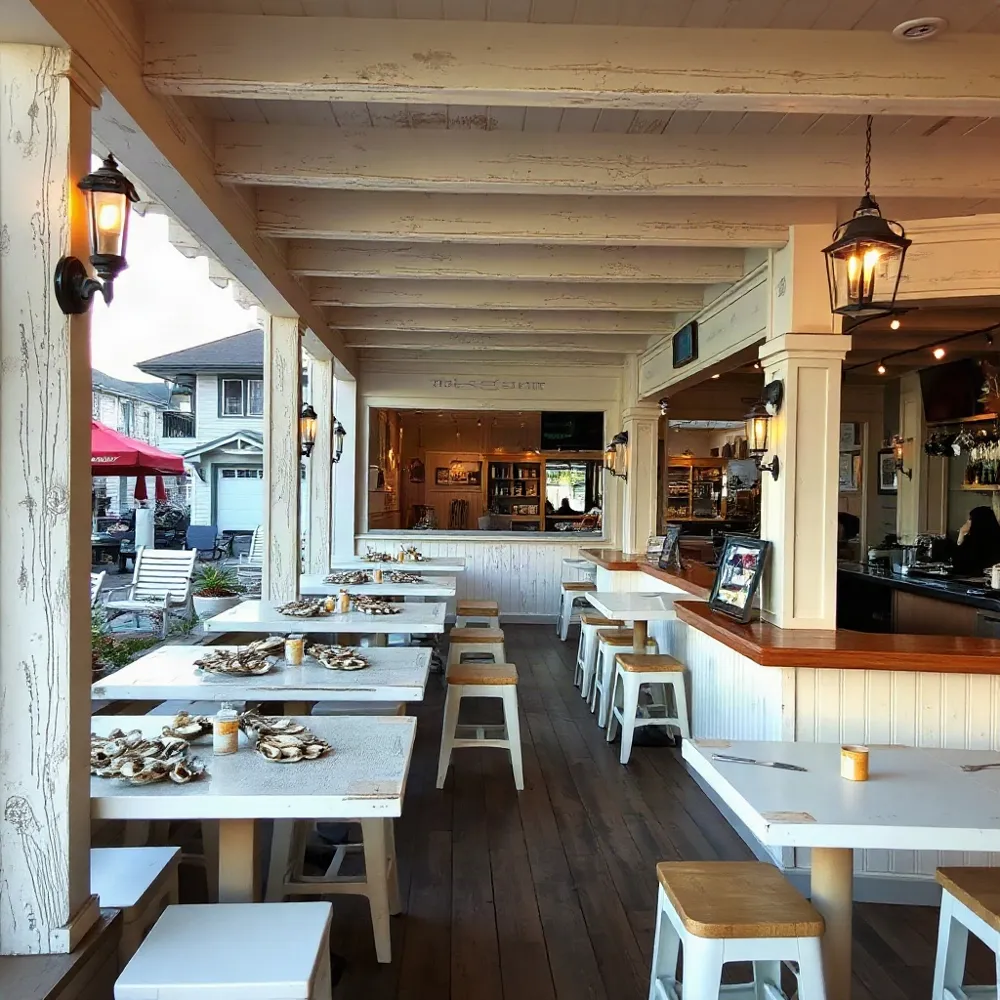
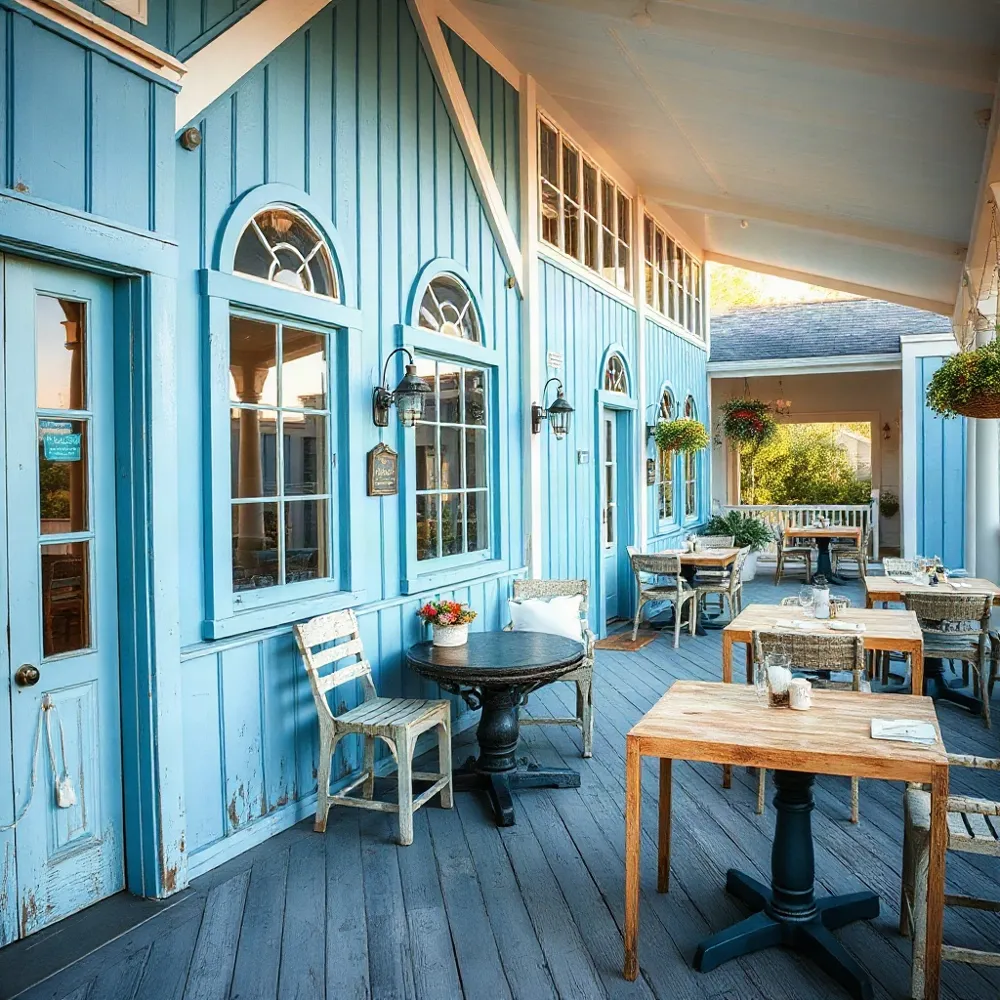
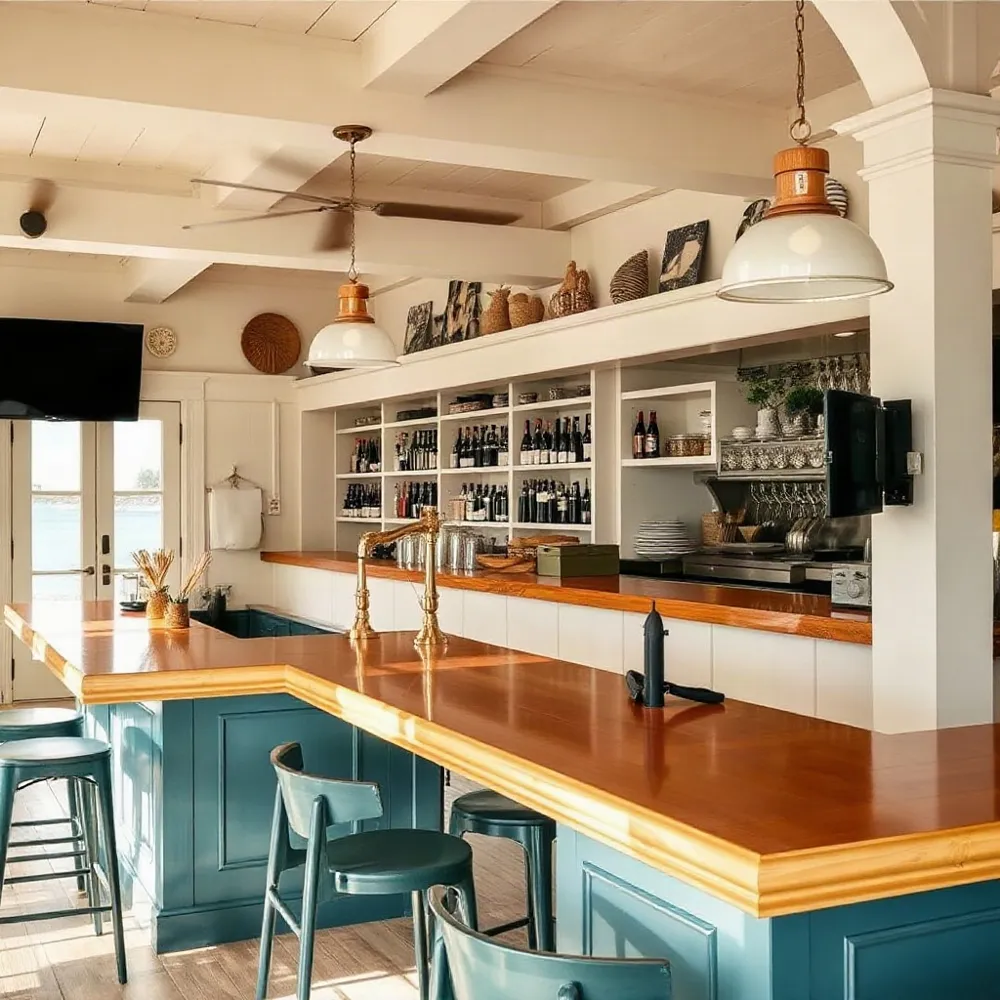
A coastal-style oyster bar may feel distinctive, but its appeal depends on the people and habits in your market. Look at local seafood demand, nearby restaurant choices, and whether residents and visitors would make a neighborhood seafood spot part of their routine. Shuckin’ Shack’s casual coastal setting gives you a specific concept to test, not proof that a location will have low competition or produce strong sales.
Build projections around the realities of the proposed site. Include the stated $500,000 to $1.5 million investment range, then estimate site and build-out costs, labor, food, and ongoing operating expenses. Check that your sales assumptions reflect local demand and likely customer traffic, rather than relying on the broad appeal of seafood or the brand concept alone.
Ask the franchisor for current financial disclosures and any unit-level results it can provide. Compare those figures with your location-specific assumptions, and confirm what each number includes before using it in a forecast. Profitability is not guaranteed. It will depend on factors such as the site, operating costs, customer response, and execution.
Assess the training, marketing, and operational support available as part of your decision. Speak with existing franchisees about their experience and day-to-day operations, then review the franchise agreement and disclosure documents with qualified legal and financial advisers. The SBA Franchise Directory can help lenders and Certified Development Companies assess franchise eligibility.
Make the Numbers Your Own
Shuckin’ Shack’s coastal character gives a neighborhood seafood bar a distinct identity, but that alone cannot predict how a location will perform. Your budget, repayment obligations, and local demand deserve an individual review.
Before signing or borrowing, request the current franchise disclosure documents and build a location-specific budget that includes opening costs, working capital, and personal financial needs. Compare funding offers by their total cost, repayment schedule, collateral requirements, and fit with your projected cash flow.
If you are considering SBA-backed financing, check the SBA Franchise Directory with your lender. A directory listing helps lenders evaluate eligibility. Take your projections to a qualified accountant and franchise attorney before committing.